- How many days in Panama City
- 3 days to see the essentials of Panama City; the day-by-day route is below.
- Budget
- Daily budgets per person, excluding flights: Extras: a partial canal transit at €130-180, San Blas overnight at €150-250 (US$160-270) including transport and basic lodging.
- From the airport
- Tocumen International Airport (PTY) is about 25 km east of the centre.
- Where to stay
- Business district with big chain hotels, often discounted on weekends.
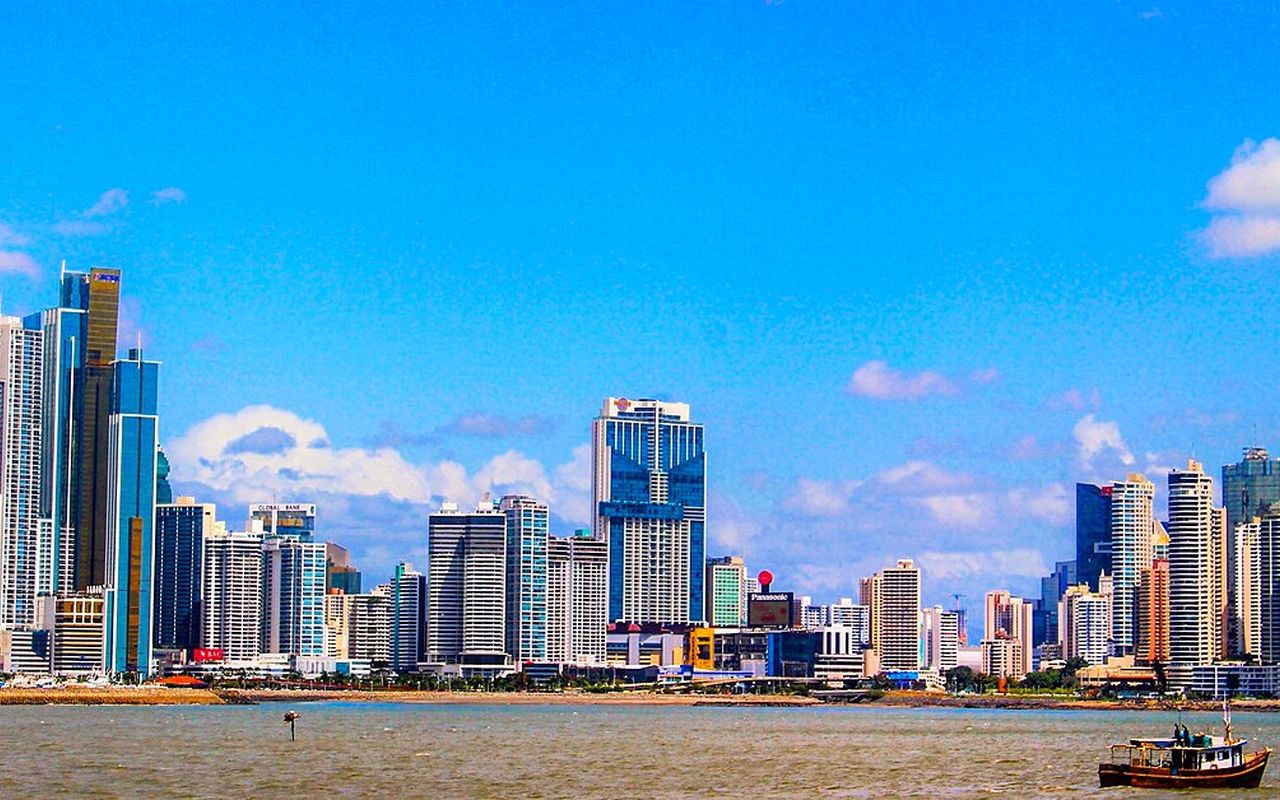
Panama City is three cities in one. There is a skyline of glass towers that looks like Miami with more humidity, a restored colonial quarter of balconies and rooftop bars, and an engineering wonder half an hour away where container ships rise and fall in locks. It is hot, loud, traffic-jammed and more expensive than most of Central America. It is also one of the most interesting stopovers in the Americas. Copa Airlines' hub at Tocumen means plenty of people pass through anyway, and a stopover is the cheapest way to see it.
Three days is the right amount. That covers the canal, Casco Viejo, the old ruins of Panamá Viejo, a hill full of sloths and an evening on the Amador Causeway without rushing. Add a fourth or fifth day for Taboga Island, a boat trip on Gatun Lake or a night in the San Blas islands. The city suits food lovers, people interested in history and engineering, and anyone with a long layover. It suits beach purists less: the city's own beaches are not worth swimming at.
What to see in Panama City: the places worth your time
Miraflores Locks (Panama Canal)
This is the main reason people come, and it is worth it if you time it right. The visitor centre has viewing terraces right over the locks, a museum and a short film. Foreign adults pay about €18-20 (US$20). The catch is that ships do not pass all day. Transits usually happen in the morning and again from mid-afternoon, so check the schedule on the canal authority's site or ask at your hotel before going. Allow 2 hours. Uber from the centre costs about €8-12 (US$9-13) each way.
Casco Viejo (Casco Antiguo)
The 17th-century old town on a peninsula, UNESCO-listed and now mostly restored, with a few crumbling shells left between boutique hotels. Walk it in the morning before the heat peaks, then come back at night when the rooftop bars open. Half a day is enough for the streets, and free. Our tip: the edges toward El Chorrillo and Santa Ana get rough quickly, so stay within the restored blocks after dark.
Paseo Esteban Huertas and Plaza de Francia
At the tip of Casco Viejo, a bougainvillea-covered walkway runs along the old sea wall with a view across the bay to the skyline. Below it, Plaza de Francia has a monument to the French workers who died during the first, failed canal attempt. It is free and takes 30 minutes. Sunset is the time to go, though Guna women selling molas (embroidered textile panels) set up here all day and prices are fair.
Iglesia de San José and its golden altar
A small church on Avenida A with a baroque altar covered in gold leaf. Legend says it was painted black to hide it from the pirate Henry Morgan in 1671. Entry is free or by small donation, and 15 minutes is enough. Dress modestly if a mass is on.
Museo del Canal Interoceánico
Housed in the old French canal company building on Plaza de la Independencia (also called Plaza Catedral). It tells the full story: the French disaster, US construction, the 1964 riots and the 1999 handover. Expect about €10 (US$10) and 1.5 hours. Do it before Miraflores and the locks make far more sense. Some signage is Spanish-only, so the audio guide helps.
Panamá Viejo
The ruins of the original city founded in 1519 and burned during Morgan's raid in 1671. It sits in a scruffy coastal suburb, which surprises people, but the restored cathedral tower has a good view and the small museum is well done. Tickets are around €15 (US$15) and you need about 2 hours. Go first thing: there is little shade.
Cerro Ancón (Ancon Hill)
The highest point in the city, topped by a giant Panamanian flag. The paved road to the top is a 30-45 minute walk uphill through forest, and you have a fair chance of spotting sloths, toucans, agoutis and tamarins on the way. It is free. Start at 7am: by 10am it is a sauna, and the animals are more active early. Uber to the gate near the Mi Pueblito area.
Biomuseo
Frank Gehry's crumpled, multicoloured building at the start of the Amador Causeway. Inside it tells how the Panamanian isthmus rose from the sea and changed the planet's climate and wildlife. Adults pay about €18-20 (US$20). Our view: the building is better than the exhibits. If you are short on time or money, photograph the outside and move on.
Amador Causeway (Calzada de Amador)
A 6 km causeway built from canal excavation rock, connecting three small islands. It has bike rentals, seafood restaurants and views of ships queuing for the canal on one side and the skyline on the other. Free to walk. Rent a bike for about €4-5 (US$5) an hour and go late afternoon.
Mercado de Mariscos and the Cinta Costera
The fish market sits at the edge of Casco Viejo, where the Cinta Costera (the coastal promenade) begins. Downstairs, a row of stalls sells ceviche in plastic cups for about €3-5 (US$3-5). Upstairs is a sit-down restaurant for fried fish. The Cinta Costera itself is a long waterfront path for joggers and cyclists, good at sunset and free.
Parque Natural Metropolitano
A tropical forest park inside city limits, with trails and a viewpoint over the skyline and the canal entrance. Entry is a few dollars. Allow 2-3 hours and go early for birds. It is the easier option if Ancon Hill's slope sounds like too much.
Mi Pueblito
A small reconstruction of traditional villages (Spanish colonial, Afro-Antillean and Indigenous) at the foot of Ancon Hill. It is modest and a bit dated, but cheap and easy to combine with the hill walk. Budget 45 minutes.
Things to do in Panama City
The best moments here are not always sights. These are the ones we would put on any list:
- Drink on a Casco Viejo rooftop. Several hotels have rooftop bars looking across the bay at the skyline. Cocktails run €10-15 (US$11-16). Go at sunset and expect a door policy at the busier ones.
- Do a partial canal transit. Boat tours take you through some of the locks, usually for 4-6 hours. Expect €130-180 (US$140-200). It is a long, hot day, but there is nothing quite like rising inside a lock chamber.
- Taste geisha coffee. Panama grows some of the most expensive coffee in the world, from the Boquete highlands. Specialty cafés in Casco Viejo and El Cangrejo serve it by the cup for €6-12 (US$7-13).
- Buy a mola directly from Guna sellers. Good hand-stitched pieces cost €20-60 (US$20-65). Machine-made copies are cheaper and look it.
- Cycle the Cinta Costera to Casco Viejo on a Sunday morning, when parts of the road close to traffic.
- Catch live salsa or jazz in Casco Viejo bars on weekends. The Panama Jazz Festival runs each January.
- Browse Avenida Central, the pedestrian shopping street between Casco Viejo and Santa Ana. It shows a local, non-touristy side of the city. Keep your phone in your pocket.
Panama City for free (or almost)
Panama is not cheap, but a lot of its best views cost nothing. These are free or close to it:
- Walking Casco Viejo, Plaza de Francia and the Paseo Esteban Huertas
- Hiking Cerro Ancón for wildlife and city views
- The Cinta Costera promenade from Paitilla to the fish market
- The Amador Causeway on foot
- The golden altar at Iglesia de San José and the Metropolitan Cathedral on Plaza de la Independencia
- A €3 (US$3) ceviche cup at the Mercado de Mariscos, the best-value meal in town
- Watching ships line up at the canal entrance from the Bridge of the Americas viewpoints
The metro also costs under €1 a ride, which is the cheapest way to cross a city that otherwise runs on taxis.
Panama City itinerary: 3 days
| Day | Morning | Afternoon | Evening |
|---|---|---|---|
| Day 1 Casco Viejo and the waterfront | Start at Plaza de la Independencia, visit the cathedral and then the Museo del Canal Interoceánico while it is still cool. | Lunch on ceviche at the Mercado de Mariscos, then wander back through Casco Viejo to the golden altar, Iglesia de la Merced and Plaza de Francia. Rest at your hotel during the hottest hours. | Sunset on the Paseo Esteban Huertas, then dinner and a rooftop drink in Casco Viejo. |
| Day 2 Ancon Hill and the canal | Uber to Cerro Ancón at 7am, hike to the flag, then come down and do a quick lap of Mi Pueblito. | Head to Miraflores Locks for the afternoon transits (check the schedule first) and stay at least 90 minutes. | Dinner in El Cangrejo, which has the best spread of casual restaurants away from tourist prices. |
| Day 3 Panamá Viejo and Amador | Panamá Viejo first thing, tower and museum. | Lunch, then cross the city to the Biomuseo (or just its exterior) and rent a bike on the Amador Causeway. | Seafood on the causeway with the skyline lit up across the water. Uber back. |
What is overrated (and what to do instead)
- The city beaches. The bay is not clean enough for swimming. Take the ferry to Taboga Island instead, or go to the Pacific beaches west of the city on a longer trip.
- The Biomuseo at full price. The architecture is the highlight. If you love natural history, go; otherwise spend the money on Panamá Viejo.
- San Blas as a day trip. It is 2.5-3 hours each way by 4x4 on a winding road, plus a boat ride. You arrive tired and leave just as it gets peaceful. Do one or two nights or skip it.
- Albrook Mall as an attraction. It is huge and air-conditioned, which is about all it has going for it. Use it as a bus terminal connection, not a sight.
When to visit Panama City
The dry season, mid-December to April, is the best time: sunny, slightly less humid and good for the canal and hiking. It is also when hotel prices peak, especially around Christmas, New Year and Carnival. Carnival is a strange case: many locals leave for the countryside, so the city gets quieter.
The wet season, May to November, brings short, heavy afternoon downpours rather than all-day rain, so mornings are usually fine. October and November are the wettest months. Hotels are cheaper and the city is greener. Temperatures sit around 27-32°C all year, so there is no cool season, only a less sticky one. For a balance of price and weather, aim for late April, May or early December.
Where to stay in Panama City: best areas
Casco Viejo
The most atmospheric base, walkable and full of bars. It suits couples and first-timers. It is also noisy on weekends and pricier: boutique hotels run €120-250 (US$130-270) a night, and hostels €20-30 (US$22-33).
El Cangrejo
Central, with good restaurants, cafés and the Vía Argentina metro station. It is the best value for mid-range travellers. Hotels cost €60-110 (US$65-120).
Bella Vista and Obarrio
Business district with big chain hotels, often discounted on weekends. Rooms cost €70-140 (US$75-150). It is convenient for the metro and the Cinta Costera, but bland at night.
Punta Paitilla and Avenida Balboa
High-rise hotels and apartments with bay views, right on the Cinta Costera. Prices run €90-180 (US$100-195). It is good for families who want space and a pool.
What to eat in Panama City
Panamanian food is hearty, starchy and seafood-heavy, with Afro-Caribbean, Spanish and Indigenous roots. Order these:
- Ceviche, usually corvina (sea bass) with lime, onion and a kick of chilli. Get it at the fish market.
- Sancocho, the national chicken soup with yuca and culantro. It is a hangover cure and comfort food at once.
- Carimañolas, fried yuca rolls stuffed with meat. These are breakfast food.
- Patacones, twice-fried green plantain, served with almost everything.
- Hojaldras, fried dough eaten for breakfast with eggs or cheese.
- Arroz con pollo and ropa vieja (shredded beef), the backbone of any fonda (cheap local diner).
- Raspao, shaved ice with syrup and condensed milk from street carts.
A fonda lunch of meat, rice, beans and a drink costs about €5-8 (US$5-9). A mid-range dinner with a drink in El Cangrejo runs €18-30 (US$20-33). In Casco Viejo's better restaurants, expect €40-60 (US$45-65) per person. Fonda Lo Que Hay in Casco Viejo is a well-known spot for modern takes on Panamanian classics. Avoid the generic tourist menus on Plaza de la Independencia: you pay a premium for the view, not the food.
Airport to city centre and getting around
Tocumen International Airport (PTY) is about 25 km east of the centre. Your options:
- Metro: a branch of Line 2 now reaches the airport, with a change to Line 1 for the centre. It is the cheapest option at around €1-2 (US$1-2) total, but slow with luggage, taking roughly 60-75 minutes to Casco Viejo or El Cangrejo.
- Uber or other ride apps: €20-30 (US$22-33), 30-60 minutes depending on traffic. This is our pick.
- Official airport taxi: about €25-35 (US$28-38). Agree the price before getting in.
Getting around: the metro (Lines 1 and 2) is clean, air-conditioned and cheap, but does not reach Casco Viejo directly. Cinco de Mayo is the nearest stop, followed by a 15-20 minute walk through an area best done in daylight. You need a rechargeable Metro card (a couple of dollars, sold at stations), which also works on MetroBus. There is no tourist pass. For most sights, especially Miraflores, Amador and Ancon Hill, Uber is the practical choice and rarely costs more than €5-12 (US$5-13). Traffic is heavy from 7-9am and 5-7pm, so plan around it.
How much a trip to Panama City costs
Panama uses the US dollar (the balboa is pegged 1:1 and only exists as coins). Daily budgets per person, excluding flights:
| Level | Per person per day | What it covers |
|---|---|---|
| Shoestring: €45-65 | US$50-70 | Hostel dorm, fonda meals and ceviche cups, metro, one paid sight a day. |
| Mid-range: €120-180 | US$130-195 | Hotel in El Cangrejo or a cheaper Casco Viejo boutique, restaurant dinners, Uber everywhere, rooftop drinks, the canal museum and locks. |
- Extras: a partial canal transit at €130-180, San Blas overnight at €150-250 (US$160-270) including transport and basic lodging.
Day trips from Panama City
Isla Taboga
The "island of flowers", reached by ferry from the Amador Causeway in about 30-60 minutes. A return ticket costs €20-30 (US$22-33). It has a small village, a decent beach and a hill hike. Avoid weekends and holidays, when it gets crowded.
Gamboa, Pipeline Road and Gatun Lake
Gamboa is 40 minutes by car along the canal. Pipeline Road in Soberanía National Park is one of the world's best birding trails. Boat tours on Gatun Lake get you close to monkeys and passing ships. Half a day or a full day.
Emberá village on the Chagres River
Organised tours take you by dugout canoe to an Emberá community, about 1.5 hours away plus the boat. Expect €80-120 (US$90-130). It is touristic by design, but money goes to the community. Pick operators who work directly with the village.
Portobelo
Spanish colonial forts and Caribbean cannons, about 2 hours away by car. Combine it with the Black Christ statue in the church and a seafood lunch. Doable by bus via Sabanitas, though a tour or rental car is easier.
El Valle de Antón
A town inside an extinct volcanic crater with waterfalls, hiking and cooler air, about 2-2.5 hours west by bus from Albrook. A long day trip, better as an overnight.
Common mistakes and scams
- Unmetered taxis. Panama taxis have no meters and drivers often quote tourists double. Use Uber, or agree the price before getting in.
- Turning up at Miraflores with no ship in sight. Check the transit times first.
- Carrying US$50 and US$100 notes. Many shops and taxis refuse them. Bring US$20s and smaller.
- Wandering out of restored Casco Viejo. El Chorrillo, Santa Ana side streets and Curundú have real crime problems. Stick to the busy streets and use Uber at night.
- Underestimating the heat. Plan walks before 10am or after 4pm, carry water, and use sunscreen even on cloudy days.
- Booking San Blas with the cheapest operator. Some overload the boats in rough seas. Check reviews and make sure life jackets are provided.
- Ignoring the 10% tip often added to restaurant bills (or paying it twice). Check the receipt before tipping.
Panama City FAQ
How many days do you need in Panama City?
Three days is ideal for the canal, Casco Viejo, Panamá Viejo and Ancon Hill. Add one or two days for Taboga, Gatun Lake or San Blas.
Is Panama City safe for tourists?
Mostly yes, in tourist and business areas like Casco Viejo, El Cangrejo, Bella Vista and Amador. Avoid El Chorrillo and Curundú, and use ride apps at night.
What currency is used in Panama City?
The US dollar, alongside Panamanian balboa coins of equal value. Cards are widely accepted, but carry small bills for markets and taxis.
What is the best place to see the Panama Canal?
The Miraflores Locks visitor centre, closest to the city. Agua Clara, on the Atlantic side near Colón, shows the newer, larger locks if you have time.
Can you visit Panama City on a layover?
Yes. Copa's stopover programme lets you break your trip in Panama without extra airfare on many routes. With 8 or more hours, you can see Miraflores and Casco Viejo.
Is Panama City expensive?
It is pricier than most of Central America, with hotels and restaurants closer to southern European prices. Local fondas and the metro keep costs down.
Can you drink tap water in Panama City?
Tap water in the city is generally considered safe. Many visitors still drink bottled water to be cautious, particularly outside the capital.
What is the best month to visit Panama City?
January to March for dry, sunny weather. May or early December for lower prices and fewer crowds, with short afternoon rain.
What to see in Panama City in one day?
If you only have one day, follow day 1 of this itinerary: Casco Viejo and the waterfront. Morning: start at Plaza de la Independencia, visit the cathedral and then the Museo del Canal Interoceánico while it is still cool.
What to see in Panama City in two days?
With two days, follow days 1 and 2 of this itinerary. Day 1: Casco Viejo and the waterfront. Morning: start at Plaza de la Independencia, visit the cathedral and then the Museo del Canal Interoceánico while it is still cool. Day 2: Ancon Hill and the canal. Morning: Uber to Cerro Ancón at 7am, hike to the flag, then come down and do a quick lap of Mi Pueblito.
What to do in Panama City in 3 days?
With three days in Panama City, this is the guide's route: Day 1, Casco Viejo and the waterfront; Day 2, Ancon Hill and the canal; Day 3, Panamá Viejo and Amador. The table above has the full plan for each day.
Where to stay in Panama City?
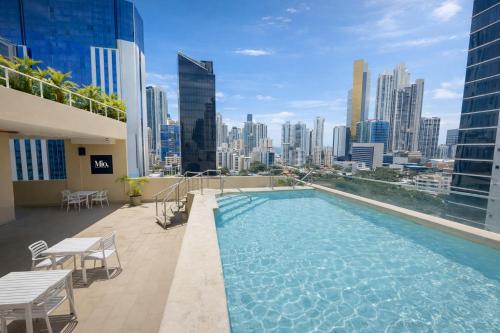
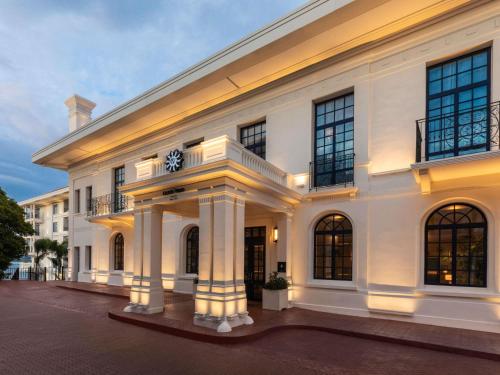
Business district with big chain hotels, often discounted on weekends. The 3 hotels with the best real guest scores, according to top3hotels.com, are budget: Hotel Mio Panamá (Bella Vista, score 8.4, from €51 a night); best value: Plaza Paitilla Inn (Punta Paitilla, score 8.9, from €111 a night); luxury: Sofitel Legend Casco Viejo, Panama City (Casco Viejo, score 9.5, from €369 a night). The nightly price is indicative and changes with the dates.
How do you get from the airport to central Panama City?
Tocumen International Airport (PTY) is about 25 km east of the centre.
How do you get around Panama City?
Getting around: the metro (Lines 1 and 2) is clean, air-conditioned and cheap, but does not reach Casco Viejo directly.
What are the must-see places in Panama City?
According to this guide: Miraflores Locks (Panama Canal); Casco Viejo (Casco Antiguo); Paseo Esteban Huertas and Plaza de Francia; Iglesia de San José and its golden altar; Museo del Canal Interoceánico; Panamá Viejo; Cerro Ancón (Ancon Hill); Biomuseo. Each one is explained in the "What to see" section.
Photo: Ángel López · CC BY-SA 4.0 · Wikimedia Commons · Guide updated 21 Nov 2026