- How many days in New Orleans
- 3 days to see the essentials of New Orleans; the day-by-day route is below.
- Budget
- Rough daily budgets per person, excluding flights: Shoestring: about $90-120 (€80-110).
- From the airport
- Louis Armstrong New Orleans International Airport (MSY) is in Kenner, about 25 km west of the centre.
- Where to stay
- CBD and Warehouse District: big chain hotels, close to the WWII Museum and the Quarter, often better value with good deals.
- What to eat
- Red beans and rice: the traditional Monday dish, cheap and filling everywhere.
New Orleans doesn't feel like the rest of the United States. It's a humid, slightly crumbling port city where brass bands play on street corners, people drink on the pavement legally and dinner is taken more seriously than most things. The French Quarter gets the postcards. The real character is spread across Tremé, the Marigny, the Bywater and the oak-lined streets uptown.
The city suits people who travel for food, music and atmosphere more than for big-ticket monuments. Three days is the right amount: enough for the Quarter, the Garden District, one serious museum and three nights of live music. Add a fourth day if you want a swamp tour or a plantation visit. Prices below are in US dollars with rough euro equivalents (about $1.10 to €1).
What to see in New Orleans: the places worth your time
Jackson Square and St. Louis Cathedral
This is the historic centre of the French Quarter: a square facing the Mississippi, with the white triple-spired St. Louis Cathedral on one side and the Cabildo and Presbytère museums on either flank. It's free, takes 30-45 minutes, and is ringed by painters, tarot readers and street performers. Our tip: come before 9am, when the light is soft and the fortune tellers haven't set up yet. The Louisiana State Museum buildings charge about $10 (€9) each and the Presbytère's Hurricane Katrina exhibit is the better of the two.
The French Quarter beyond Bourbon Street
The Vieux Carré is about 13 blocks by 7, and the best of it is on the quieter streets. Walk Royal Street for antique shops and cast-iron balconies, then Chartres and Dauphine for Creole cottages with shuttered doors and ferns spilling over galleries. Allow half a day, free. Look up: the balconies are the show, especially in the lower Quarter towards Esplanade Avenue.
Frenchmen Street
This is where locals and music lovers go instead of Bourbon. A three-block stretch in the Marigny packs clubs like The Spotted Cat, d.b.a. and Snug Harbor (the sit-down jazz room). Many bars have no cover if you buy a drink (about $8-12, €7-11) and put money in the band's bucket. Arrive around 8pm and walk from door to door; the night market art stalls open in the evening too.
Preservation Hall
A small, bare room on St. Peter Street where traditional New Orleans jazz has been played since 1961. Sets last about 45 minutes, there's no bar and most people stand or sit on the floor. Tickets run about $25-50 (€23-45) and sell out, so book online ahead rather than queuing. Worth it once, even if you think you don't like jazz.
The National WWII Museum
One of the best museums in the country, in the Warehouse District. It's huge: allow 4-5 hours, or a firm 3 if you focus on the Road to Berlin and Road to Tokyo galleries. Entry is about $36 (€33), more with the 4D film. Go first thing on a weekday; school groups arrive mid-morning.
The Garden District
Uptown's 19th-century mansion district, built by Americans who didn't want to live among the Creoles in the Quarter. Walk around Prytania Street, First Street and Washington Avenue for Greek Revival and Italianate houses under live oaks. Free, 1.5-2 hours. Lafayette Cemetery No. 1 is here but has been closed for restoration for years, so check whether it has reopened before you plan around it.
The St. Charles Avenue streetcar
The oldest continuously running streetcar line in the world, green wooden cars rattling under the oaks from Canal Street to Carrollton. It's transport, not a ride, so it costs the normal fare of $1.25 (€1.15). The full run takes about 45 minutes each way. Sit on the right heading uptown for the better mansions, and avoid the late-afternoon rush when it fills with commuters.
St. Louis Cemetery No. 1
The city's oldest cemetery, just outside the Quarter on Basin Street, full of above-ground tombs including the one attributed to Marie Laveau. You can only enter on a guided tour (about $25-30, €23-28, 45-60 minutes), booked through the official operator. Skip the vague "cemetery and voodoo" walking tours sold on the street and book the authorised one.
City Park and the Sculpture Garden
A big green park in Mid-City, older and larger than New York's Central Park, with ancient oaks draped in Spanish moss. The Sydney and Walda Besthoff Sculpture Garden next to the New Orleans Museum of Art is free. NOMA itself costs about $20 (€18). Take the Canal streetcar (the "City Park/Museum" branch) and give it 2-3 hours.
Tremé
Often called the oldest Black neighbourhood in America, Tremé is the birthplace of much of the city's music and the home of the second line parade tradition. See Congo Square inside Louis Armstrong Park (free), and the Backstreet Cultural Museum for Mardi Gras Indian suits (check the hours, they change). Go by day and stick to the main streets.
The Bywater and Crescent Park
Downriver from the Marigny, the Bywater is colourful shotgun houses, murals, cafés and dive bars. Crescent Park runs along the river with good views of the city skyline and the ships. Free; give it a relaxed afternoon. Pair it with a drink at Bacchanal, a wine shop with a garden and live music.
The Algiers Ferry
The cheapest way onto the Mississippi: a commuter ferry from the foot of Canal Street to Algiers Point, about $2 (€1.80) each way and roughly 5 minutes. On the other side there's a quiet levee path with the best skyline view in town. Much better value than the paddle steamer cruises.
Magazine Street
Around six miles of independent shops, vintage stores, coffee houses and restaurants running from the Warehouse District to Audubon Park. You won't do it all. Pick the stretch between Jackson Avenue and Louisiana Avenue, near the Garden District, and spend 1-2 hours. Free unless you shop.
Things to do in New Orleans
Beyond the sights, the best things to do in New Orleans involve eating, drinking and listening.
- Follow a second line. Social aid and pleasure clubs hold brass-band parades most Sundays outside the summer months. Locals check WWOZ's second line schedule; you just join behind the band and walk.
- Take a cooking class. The New Orleans School of Cooking in the Quarter does demonstrations with lunch for about $45-60 (€40-55). You learn gumbo and eat it.
- Drink a Sazerac where it belongs. The Sazerac Bar in the Roosevelt Hotel is the classic, about $15-18 (€14-16). The Carousel Bar at the Hotel Monteleone has a slowly rotating bar; expect a queue in the evening.
- Visit Mardi Gras World. The warehouse where many parade floats are built, across from the convention centre. About $22 (€20) for an hour-long tour. Good if you're not here for Carnival.
- Catch a show at Tipitina's or the Maple Leaf. Uptown venues for funk, brass and blues. The Rebirth Brass Band's Tuesday night residency at the Maple Leaf is famous; confirm it's still running before going.
- Have a jazz brunch. Commander's Palace in the Garden District is the classic, around $50-70 (€45-65) a head. Smart casual dress is expected.
- Kayak or walk a swamp. See the day trips below; even an hour in the bayou changes how you see the city.
New Orleans for free (or almost)
A lot of the best of New Orleans costs nothing. Street musicians on Royal Street play most afternoons (it's pedestrianised at points during the day), and a dollar or two in the case is the right thing to do.
- Jackson Square, the French Quarter and the Garden District on foot: free.
- The Sculpture Garden in City Park: free.
- Crescent Park and the Moonwalk riverfront: free.
- Second line parades on Sundays: free.
- The Algiers Ferry: about $2 (€1.80).
- The St. Charles streetcar as a sightseeing tour: $1.25 (€1.15).
- Frenchmen Street music with no cover: the price of one drink.
- Festivals: French Quarter Festival in April is mostly free, with dozens of stages.
New Orleans itinerary: 3 days
| Day | Morning | Afternoon | Evening |
|---|---|---|---|
| Day 1 The French Quarter and the Marigny | Beignets early at Café du Monde before the queue, then Jackson Square, St. Louis Cathedral and the Presbytère. Walk Royal and Chartres Streets towards Esplanade. | Muffuletta from Central Grocery on Decatur, eaten by the river. Wander the French Market, then take the St. Louis Cemetery No. 1 tour. | Book a Preservation Hall set, then walk 10 minutes to Frenchmen Street. Look at Bourbon Street once on the way if you must. |
| Day 2 The WWII Museum and uptown | The National WWII Museum when it opens. Give it until early afternoon. | Catch the St. Charles streetcar from Lee Circle (or nearby stops) to the Garden District. Walk Prytania and Washington Avenue, then browse Magazine Street. Ride further to Audubon Park if you have the energy. | Dinner uptown, then live music at Tipitina's or the Maple Leaf depending on the night. |
| Day 3 Mid-City, Tremé and the Bywater | Canal streetcar to City Park, the Sculpture Garden and NOMA. Coffee and beignets at Café du Monde's City Park branch, usually far quieter than the original. | Po'boy at Parkway Bakery near Bayou St. John, then Tremé: Congo Square and the Backstreet Cultural Museum. Head on to the Bywater and Crescent Park. | Drinks and music at Bacchanal, or take the Algiers Ferry at sunset for the skyline, then back to Frenchmen for a last night. |
What is overrated (and what to do instead)
- Bourbon Street at night. Neon, sticky pavements, bachelor parties, frozen drinks and cover bands. See it for ten minutes. Then go to Frenchmen Street, where the bands are better and nobody is selling three-for-one shots.
- The Hurricane at Pat O'Brien's and the Hand Grenade. Sugary, overpriced and famous mostly for being famous. Order a Sazerac or a Vieux Carré at a proper bar instead.
- Café du Monde at midday. The beignets are good but the queue and the chaos aren't. Go before 8am, late at night, or to the City Park branch.
- Plantation tours that skip slavery. Some sell hoop skirts and mint juleps. The Whitney Plantation is built around the lives of the enslaved people who worked there and is far more worthwhile.
When to visit New Orleans
The best time to visit New Orleans is February to May, when it's warm but not oppressive (roughly 18-28°C). It's also when the big events happen: Mardi Gras (Fat Tuesday falls on 17 February in 2026), French Quarter Festival in April and Jazz Fest across late April and early May. Hotel prices can double or triple on those dates, so book months ahead.
Summer (June to September) is hot and soupy, often 33°C with high humidity and daily storms, and it's hurricane season (June to November). The upside: July and August are the cheapest months, with hotel deals and restaurant promotions. October and November are pleasant and quieter, and December has the Christmas lights and Réveillon menus. Winter can be grey and cool, but it rarely gets truly cold.
Where to stay in New Orleans: best areas
- French Quarter: everything is walkable and the architecture is the draw. Avoid rooms on Bourbon Street unless you want noise until 4am. About $180-350 (€165-320) a night in a mid-range hotel, much more during festivals.
- Faubourg Marigny: next to Frenchmen Street, quieter, full of guesthouses and B&Bs in old Creole cottages. About $130-250 (€120-230). Our pick for music lovers.
- CBD and Warehouse District: big chain hotels, close to the WWII Museum and the Quarter, often better value with good deals. About $130-250 (€120-230), but watch for parking and "destination" fees.
- Garden District and Lower Garden District: leafy, residential, on the St. Charles streetcar line. Good for couples and repeat visitors. About $120-220 (€110-200); some hostels here are cheaper.
- Mid-City: near City Park and the Canal streetcar, local and cheaper, but you'll ride in to the centre. About $100-180 (€90-165).
What to eat in New Orleans
Food is the main reason many people come back. Creole cooking (city, with French, Spanish and African roots) and Cajun cooking (rural, from the Acadiana region) overlap here. The dishes to know:
- Po'boy: a sandwich on crisp, airy French bread. Order fried shrimp or roast beef "debris" dressed (lettuce, tomato, mayo, pickles). Parkway Bakery and Domilise's are the classics, about $12-20 (€11-18).
- Muffuletta: a round loaf with cured meats, provolone and olive salad. Central Grocery invented it; a half feeds one hungry person.
- Gumbo: dark roux stew with seafood or chicken and andouille sausage, served over rice.
- Red beans and rice: the traditional Monday dish, cheap and filling everywhere.
- Jambalaya and étouffée: rice cooked with meat and seafood; crawfish smothered in a buttery sauce.
- Crawfish boil: spicy mudbugs by the pound, in season roughly January to June.
- Chargrilled oysters: grilled in garlic butter and parmesan; Drago's is the reference.
- Fried chicken: Willie Mae's Scotch House in Tremé and Dooky Chase's are institutions.
- Beignets: fried dough under a snowdrift of powdered sugar, with chicory café au lait.
A casual lunch (po'boy and a drink) costs about $18-25 (€16-23). Dinner at a good mid-range restaurant with a drink runs $45-70 (€40-65) per person, and old-line Creole restaurants like Galatoire's or Arnaud's will be $80-120 (€75-110). Add 18-20% tip to every bill and sales tax of around 10% on top of menu prices. Many top restaurants offer cheaper lunch menus: the best way to eat well on a budget.
Airport to city centre and getting around
Louis Armstrong New Orleans International Airport (MSY) is in Kenner, about 25 km west of the centre. Your options:
- Airport Express bus (RTA 202): the cheapest way, about $1.50 (€1.40), around 40-45 minutes to the CBD. Check the schedule, it doesn't run late at night.
- Taxi: a flat rate to the CBD and French Quarter for up to two passengers, around $40-45 (€37-41), roughly 25-30 minutes without traffic. More per extra passenger.
- Uber/Lyft: usually $35-50 (€32-45), more at peak times, from the rideshare pickup zone.
In the city, walk the Quarter and Marigny and use the RTA streetcars and buses for everything else. A single ride costs $1.25 (€1.15). The Jazzy Pass on the Le Pass app is the one to get: about $3 (€2.75) for a day or about $8 (€7.30) for three days, unlimited streetcars and buses. Useful lines: St. Charles (uptown), Canal (Mid-City and City Park), Riverfront and Rampart. Don't rent a car for the city; parking is expensive and hotels charge $35-50 a night.
How much a trip to New Orleans costs
New Orleans isn't cheap, mostly because of hotels, tax and tipping. Rough daily budgets per person, excluding flights:
- Shoestring: about $90-120 (€80-110). Hostel bed $35-50, po'boys and red beans, a Jazzy Pass, free music and one paid museum.
- Mid-range: about $220-310 (€200-280). Half a double room in a decent hotel, one sit-down dinner, cocktails, a tour or two, the occasional Uber.
- Festival dates: add 50-100% to accommodation.
Day trips from New Orleans
- Swamp tour: airboat or flat-boat trips into the bayous around Slidell (Honey Island) or Lafitte, about 45-60 minutes' drive. Most include hotel pick-up; budget $60-100 (€55-90) and half a day. Flat boats are quieter and better for seeing wildlife.
- Barataria Preserve: part of Jean Lafitte National Historical Park, about 30-40 minutes south by car. Free boardwalk trails through swamp, often with alligators. You need a car.
- Whitney Plantation: on River Road, about an hour west. The most honest plantation museum in Louisiana, about $25-30 (€23-28). Tours from town or a rental car; allow half a day.
- Oak Alley Plantation: near Whitney, known for its avenue of 28 oak trees. Combine both on the same day if you drive.
- Lafayette and Cajun country: about 2-2.5 hours west by car. Worth an overnight for zydeco dance halls and boudin, too far for a comfortable day trip.
Common mistakes and scams
- "I bet I can tell you where you got your shoes." The classic Quarter hustle. The answer is "on your feet", followed by a demand for money. Smile and keep walking.
- Unsolicited "tour guides" and flower or bracelet sellers who hand you something, then ask for payment. Don't take it.
- Underestimating the tip and tax. Budget for 20% on top of the bill, and tip bartenders $1-2 a drink and street bands a few dollars.
- Booking hotels without checking fees. Many add nightly "destination" or "resort" fees plus parking. Compare the final price.
- Walking alone late at night in empty streets. Stay where the crowds are, keep phones out of sight on Bourbon, and take a taxi or rideshare back after midnight, especially from the Marigny or Bywater edges.
- Trying to do Mardi Gras on short notice. Hotels sell out months ahead and minimum stays apply.
- Ignoring the heat in summer. Do sightseeing early, rest at midday, carry water.
New Orleans FAQ
How many days do you need in New Orleans?
Three days is ideal for the French Quarter, the Garden District, the WWII Museum and several nights of live music. Add a fourth day for a swamp tour or plantation visit.
Is New Orleans safe for tourists?
The main tourist areas are generally fine by day and busy at night, but petty crime and occasional violent crime do happen. Stick to lit, busy streets, don't flash valuables, and take a taxi late at night.
Can you drink on the street in New Orleans?
Yes, in plastic "go cups", not glass. Ask the bar for one as you leave.
What is the cheapest time to visit New Orleans?
July and August, when the heat and humidity keep crowds away and hotels drop their prices. Late November to early December (outside Thanksgiving) is also good value.
Do you need a car in New Orleans?
No. The centre is walkable and the streetcars cover most of what you'll want to see. Rent a car only for a day trip to the plantations or swamps.
Where is the best live music in New Orleans?
Frenchmen Street for an easy night hopping between clubs, Preservation Hall for traditional jazz, and Tipitina's or the Maple Leaf uptown for brass and funk.
Is Bourbon Street worth it?
Worth a quick look to say you've seen it, not worth a whole night. Frenchmen Street is better for music and atmosphere.
What food is New Orleans famous for?
Po'boys, gumbo, jambalaya, muffulettas, beignets, red beans and rice and crawfish. Order a shrimp po'boy and a bowl of gumbo on day one and you're off to a good start.
What to see in New Orleans in one day?
If you only have one day, follow day 1 of this itinerary: The French Quarter and the Marigny. Morning: beignets early at Café du Monde before the queue, then Jackson Square, St.
What to see in New Orleans in two days?
With two days, follow days 1 and 2 of this itinerary. Day 1: The French Quarter and the Marigny. Morning: beignets early at Café du Monde before the queue, then Jackson Square, St. Day 2: The WWII Museum and uptown. Morning: the National WWII Museum when it opens.
What to do in New Orleans in 3 days?
With three days in New Orleans, this is the guide's route: Day 1, The French Quarter and the Marigny; Day 2, The WWII Museum and uptown; Day 3, Mid-City, Tremé and the Bywater. The table above has the full plan for each day.
Where to stay in New Orleans?
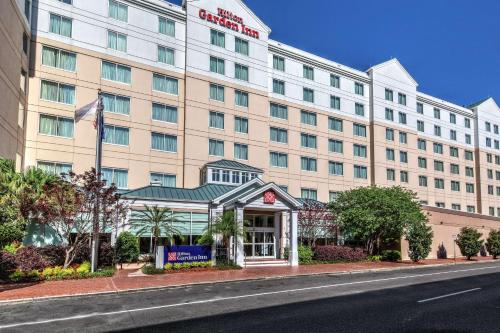
CBD and Warehouse District: big chain hotels, close to the WWII Museum and the Quarter, often better value with good deals. The 3 hotels with the best real guest scores, according to top3hotels.com, are budget: Hilton Garden Inn New Orleans Convention Center (Arts - Warehouse District, score 8.3, from €85 a night); best value: Hampton Inn New Orleans French Quarter Market Area (Faubourg Marigny, score 9, from €111 a night); luxury: Four Seasons New Orleans (French Quarter (Vieux Carré), score 9.1, from €564 a night). The nightly price is indicative and changes with the dates.
How do you get from the airport to central New Orleans?
Louis Armstrong New Orleans International Airport (MSY) is in Kenner, about 25 km west of the centre.
How do you get around New Orleans?
In the city, walk the Quarter and Marigny and use the RTA streetcars and buses for everything else.
What are the must-see places in New Orleans?
According to this guide: Jackson Square and St. Louis Cathedral; The French Quarter beyond Bourbon Street; Frenchmen Street; Preservation Hall; The National WWII Museum; The Garden District; The St. Charles Avenue streetcar; St. Louis Cemetery No. 1. Each one is explained in the "What to see" section.
Photo: Wikipedia · · Wikimedia Commons · Guide updated 21 Nov 2026