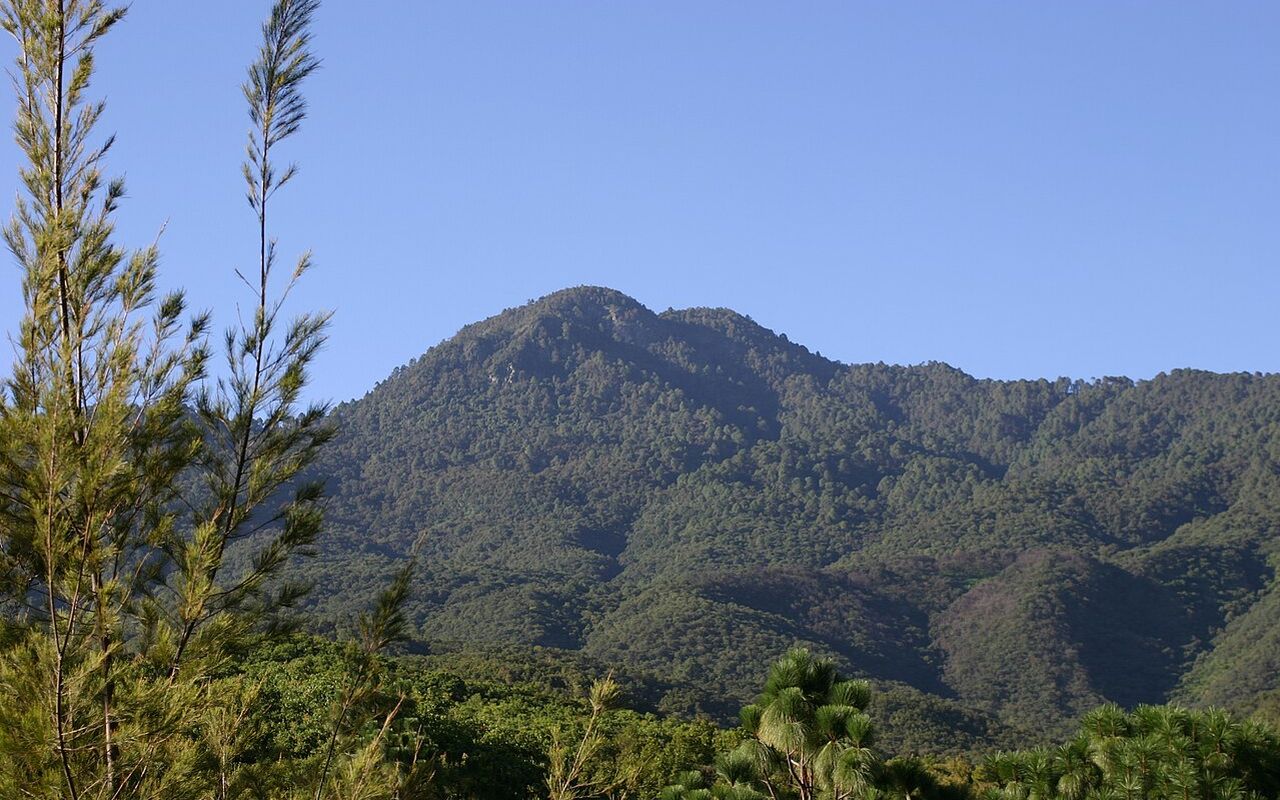
- How many days in Oaxaca
- 4 days to see the essentials of Oaxaca; the day-by-day route is below.
- Budget
- Extras: cooking class €60-100, a good Teotitlán rug from €100 upwards, festival-period rooms double or triple in price.
- From the airport
- Oaxaca International Airport (OAX) is about 7 km south of the centre, a 20-30 minute drive.
- Where to stay
- Centro (around Santo Domingo and Alcalá).
- What to eat
- Oaxaca is known as the land of seven moles, and you should try at least three.
Oaxaca is a low-rise colonial city of painted walls and green stone churches. It sits in a high valley surrounded by mezcal country, Zapotec villages and some of the best food in Mexico. It is walkable, relaxed and, outside the big festivals, cheaper than you would expect for somewhere this good. It is not a party town and has no beach. People come here to eat, drink, look at craft and climb ruins, and that is exactly why it works.
It suits food lovers, slow travellers, couples and anyone who wants Mexico without the resort feel. You need 4 days: two for the city itself, one for Monte Albán and the craft villages to the south, and one for the eastern valley (Tule, Teotitlán, Mitla, Hierve el Agua and mezcal). With three days you will be rushing the villages. With five or more, add the Sierra Norte or a cooking class without guilt.
What to see in Oaxaca: the places worth your time
Templo de Santo Domingo de Guzmán
This is the most beautiful building in the city and the one place you should not skip. The exterior is solid and plain. Inside, the ceiling explodes with gilded stucco, including a vine-like family tree of saints above the entrance. Entry is free and 20-30 minutes is enough. Our tip: go late afternoon, when the light hits the facade and families gather on the plaza out front.
Museo de las Culturas de Oaxaca
The museum sits in the former convent next to the church. Its star is the Mixtec treasure from Tomb 7 at Monte Albán, a room of gold, jade and carved bone. The cloisters alone are worth the ticket (about €5, MXN 100). Allow 1.5-2 hours, and look out of the upper windows for a view straight down onto the botanical garden.
Jardín Etnobotánico
Behind Santo Domingo is a garden of native Oaxacan plants: organ cacti, agaves, cochineal on nopales. You can only enter on a guided tour. English tours run a few times a week, cost around €10 (MXN 200) and fill up, so check the schedule and arrive early to queue. Spanish tours are cheaper and more frequent. It takes about 2 hours and is one of the most interesting things to do in Oaxaca if you care even slightly about plants or mezcal.
Monte Albán
The Zapotec capital sits on a flattened mountaintop above the city, with the whole valley around it. The Gran Plaza, the ball court and the Danzantes carvings are the highlights. Entry is about €5 (MXN 100), and you need 2.5-3 hours. Go first thing: there is almost no shade, and by midday it is hot and full of tour groups. Bring water and a hat.
Mercado 20 de Noviembre and the Pasillo de Humo
Two blocks south of the Zócalo is the city's most famous food hall. The "smoke corridor" is the bit people come for. You buy raw tasajo (thin beef), cecina enchilada (chilli-rubbed pork) and chorizo from a butcher, they grill it in front of you, and you add tortillas, onions and salsa from the vendors who will find you instantly. A full meal for two runs €10-15. Agree the weight before they cut, because it is easy to end up with twice as much meat as you meant to order.
Mercado Benito Juárez
This one is next door and less about eating, more about browsing: chocolate, mole pastes, chapulines (toasted grasshoppers), cheese, hats and mezcal. Give it 45 minutes. Prices are tourist-adjusted, so compare a few stalls before buying anything bulky.
Zócalo and the Cathedral
The main square is shaded by huge laurel trees and ringed by café terraces. Balloon sellers, marimba bands and the occasional protest camp share the space. The cathedral on the north side is fine but less impressive than Santo Domingo. Sit for an hour with a drink in the evening. The cafés are overpriced, so order a coffee or a beer rather than dinner.
Andador Macedonio Alcalá
This pedestrian street links the Zócalo to Santo Domingo, and you will walk it several times a day. It is lined with galleries, mezcal shops and colonial courtyards you can often wander into. It is busy and a bit touristy but genuinely pretty, especially at night. Walk it once slowly and peek through every open doorway.
Museo Textil de Oaxaca
This is a small, beautifully curated museum of Oaxacan and Mexican weaving and embroidery. Entry is free (donations welcome), and you need 30-45 minutes. The shop sells quality pieces with fair pricing to the makers, which is useful before you buy textiles elsewhere.
IAGO (Instituto de Artes Gráficas de Oaxaca)
Founded by the painter Francisco Toledo, IAGO hosts free print and graphics exhibitions in a colonial house on Alcalá, plus a lovely library. Count on 30 minutes. Pair it with the Centro Cultural San Pablo nearby, also free and often hosting good exhibitions.
Basílica de la Soledad and Jardín Sócrates
The basilica houses the city's patron virgin and has a carved baroque facade worth the short walk west of the centre. The real reason to come is the row of ice cream stalls on the plaza beside it. Order a scoop of leche quemada (burnt milk) with tuna (prickly pear), about €2 (MXN 40). The whole stop takes 30-45 minutes.
Jalatlaco and Xochimilco
These are the two most photogenic old neighbourhoods. Jalatlaco has cobbled lanes, street art and good cafés, and is a 10-minute walk east of the centre. Xochimilco, to the north, is quieter, with an old aqueduct running through it. Give each an hour. Jalatlaco is best in the morning before the influencer crowds arrive.
Museo Rufino Tamayo
The painter Rufino Tamayo collected pre-Hispanic art, and this small museum shows his pieces in bright rooms painted pink, purple and blue. Allow 45 minutes, about €4 (MXN 80). It is more about form and beauty than archaeology, which makes it a nice contrast to the Culturas museum.
Things to do in Oaxaca
- Taste mezcal properly. Book a tasting at a mezcalería like In Situ or Mezcalogía, where staff explain agave varieties (espadín, tobalá, tepextate) and production. A flight costs about €8-20. Sip it slowly.
- Take a cooking class. Most include a market visit and making mole or tlayudas. Expect €60-100 per person for a half or full day.
- Hit a Sunday market. Tlacolula's tianguis is the big one (see day trips).
- Drink hot chocolate the local way. Mayordomo and other chocolate shops grind cacao with sugar and cinnamon in front of you. Order it made with water or milk, with pan de yema to dunk.
- Try tejate. This pre-Hispanic maize and cacao drink is sold from big clay bowls in the markets for about €1.
- Buy craft at the source. Rugs in Teotitlán, black pottery in San Bartolo Coyotepec, alebrijes (painted wooden figures) in San Martín Tilcajete.
- Watch the sunset from a rooftop. Several bars and restaurants around Santo Domingo and Alcalá have terraces looking over the church domes and the mountains.
- Hike in the Sierra Norte. The Pueblos Mancomunados offer community-run trails, cabins and guides in pine forest a couple of hours away.
Oaxaca for free (or almost)
A surprising amount of the best of Oaxaca costs nothing. Santo Domingo, the Cathedral, Soledad, IAGO, the Museo Textil and the Centro Cultural San Pablo are all free. Walking Alcalá, Jalatlaco and Xochimilco costs nothing either, and wandering the markets is free entertainment even if you buy nothing.
For a free viewpoint, climb the steps up Cerro del Fortín to the auditorium used for the Guelaguetza. It takes 20-30 minutes from the centre and has a wide view over the city. Go in daylight. On many evenings the Zócalo has free music or dancing. For almost free, a market memela costs about €1 and a nieve at Jardín Sócrates about €2.
Oaxaca itinerary: 4 days
| Day | Morning | Afternoon | Evening |
|---|---|---|---|
| Day 1 The historic centre | Breakfast at Mercado Benito Juárez with hot chocolate. Walk to the Zócalo and the Cathedral, then up Alcalá to Santo Domingo, and spend two hours in the Museo de las Culturas. | Take the Jardín Etnobotánico tour (book or queue in advance), then visit IAGO and the Museo Textil. | Have dinner in the Pasillo de Humo at 20 de Noviembre, then a mezcal tasting. |
| Day 2 Monte Albán and the southern craft villages | Take the first shuttle up to Monte Albán and be on the Gran Plaza before the crowds. | Hire a taxi or join a tour to San Bartolo Coyotepec for black pottery and San Martín Tilcajete for alebrijes. | Back in town, walk to the Basílica de la Soledad for ice cream, then have dinner at a mid-range Oaxacan restaurant for mole. |
| Day 3 The eastern valley (ideally a Sunday) | See the Árbol del Tule, then visit Tlacolula's market if it is Sunday, or Teotitlán del Valle for rugs if it is not. | Visit the ruins of Mitla, then a palenque (mezcal distillery) around Santiago Matatlán. Add Hierve el Agua if it is open and you have the energy. | Keep it easy with tlayudas at a street stall. |
| Day 4 Neighbourhoods and food | Have coffee and pastries in Jalatlaco, then walk to Xochimilco and the aqueduct. | Take a cooking class, or visit the Museo Rufino Tamayo and then the Mercado de Abastos if you want a raw, local market (watch your bag). | Climb Cerro del Fortín for sunset, then have a final dinner at a place you booked ahead. |
What is overrated (and what to do instead)
Eating on the Zócalo terraces. You pay for the view with mediocre food at inflated prices. Have a drink there, then eat in a market or a side street restaurant.
Hierve el Agua as the main event. The petrified "waterfalls" are striking, but the site sits 1.5-2 hours away on a rough road. It gets crowded, the pools are small, and it has closed periodically because of local disputes. Check before you go. If time is short, Mitla and a palenque make a better use of the afternoon.
Buying the first alebrije or rug you see in town. Shops on Alcalá mark up heavily. Buying in Teotitlán or Tilcajete costs more effort but gets you better pieces and puts more money in the makers' hands.
Generic "4 villages in one day" mega-tours. They are cheap but rushed, with long stops at commission shops. A private driver shared between three or four people often costs little more and lets you choose.
When to visit Oaxaca
The best weather runs from October to April: dry, sunny days around 25-28°C and cool nights, so bring a jacket. April and May are the hottest months, with afternoons above 30°C. The rainy season runs from June to September, usually with afternoon storms rather than all-day rain, and the valley turns green.
The two big moments are the Guelaguetza (late July), a dance festival, and Día de Muertos (around 31 October to 2 November). Both are spectacular, packed and expensive, so book accommodation months ahead. Christmas and Easter week are busy too. Late January to March and September (outside festivals) are quieter and cheaper.
Where to stay in Oaxaca: best areas
- Centro (around Santo Domingo and Alcalá). Best for first-timers who want everything on foot. Boutique hotels run €80-200, simpler guesthouses €35-60.
- Jalatlaco. Pretty, calmer and full of cafés, only 10 minutes from the centre. Good for couples and longer stays. Guesthouses and apartments cost €40-100.
- Xochimilco. Residential and quiet, just north of Santo Domingo. Suits slow travellers and anyone who wants local life. Expect €35-80.
- South of the Zócalo (near the markets). The cheapest option, a bit noisier and grittier, but close to the food and the bus stops. Hostels cost €12-20 a bed, budget rooms €25-40.
Our tip: stay north of the Zócalo for atmosphere and quieter nights, and avoid rooms facing loud streets. Check whether your room has hot water and decent windows, because nights get cold in winter.
What to eat in Oaxaca
Oaxaca is known as the land of seven moles, and you should try at least three. Mole negro is dark, sweet and complex. Coloradito is red and slightly sweet, and amarillo is lighter and often served in empanadas. A plate of mole with chicken costs €6-12 at a decent restaurant.
The other essentials:
- Tlayuda: a huge thin toasted tortilla spread with asiento (pork lard), beans, quesillo and meat, folded or flat. Street stalls in the evening charge €3-5.
- Memelas: thick small tortillas with beans, cheese and salsa. Breakfast food, about €1 each.
- Tasajo and cecina: grilled meats, best in the Pasillo de Humo.
- Chapulines: toasted grasshoppers with lime and chilli. Crunchy and salty, great with mezcal.
- Quesillo: stringy Oaxacan cheese, sold in balls.
- Chocolate and tejate for drinks, and mezcal, obviously.
A market lunch costs €4-8. A good dinner at a respected restaurant such as Casa Oaxaca, Criollo, Los Danzantes or Levadura de Olla runs €25-50 per person with drinks. Book the well-known places a few days ahead in high season.
Airport to city centre and getting around
Oaxaca International Airport (OAX) is about 7 km south of the centre, a 20-30 minute drive. There is no public bus. Buy a ticket at the transport booth inside arrivals: a shared colectivo van costs about €6-8 (MXN 120-160) per person and drops you at your hotel, while a private taxi costs about €15-20 (MXN 300-400). Ride-hailing apps are limited here, so do not count on them.
The centre is compact and walkable, and you will rarely need transport in town. Local taxis have no meters, so agree the price before you get in. Short rides cost €2.50-4. For Monte Albán, tourist shuttles leave from near Hotel Rivera del Ángel on Calle Mina, about €4-5 return. For the eastern valley (Tule, Teotitlán, Tlacolula, Mitla), shared colectivo taxis and buses leave from the area around the baseball stadium on Calle Niños Héroes, €1-3 a ride. There is no tourist transport pass. Shared colectivos and an occasional private driver (about €60-90 for a full day) are the way to go.
How much a trip to Oaxaca costs
| Level | Per person per day | What it covers |
|---|---|---|
| Shoestring | €35-50 a day | Hostel dorm (€12-20), market meals and street food (€10-15), colectivos and shuttles (€3-5), one paid site (€5), a cheap mezcal or two. |
| Mid-range | €90-150 a day per person (sharing a room) | Boutique guesthouse (€40-80 per person), one restaurant dinner (€25-40), tastings and entries (€15-25), occasional taxis or a shared private driver. |
- Extras: cooking class €60-100, a good Teotitlán rug from €100 upwards, festival-period rooms double or triple in price.
Day trips from Oaxaca
Tlacolula Sunday market. This is one of the biggest indigenous markets in the valley. Come for barbacoa, pan de yema, live turkeys and the meat-grilling aisle. It is 40 minutes east by colectivo. Go on a Sunday morning and give it 2-3 hours.
Árbol del Tule and Teotitlán del Valle. The Tule cypress in Santa María del Tule is one of the widest trees in the world, and it costs about €1 to see up close. Teotitlán, 20 minutes further, is the rug-weaving village, with family workshops demonstrating natural dyes. Half a day by colectivo.
Mitla and the mezcal route. Mitla's ruins have intricate stone geometric mosaics unlike anything at Monte Albán, entry about €5. Nearby Santiago Matatlán calls itself the world capital of mezcal, and palenques there offer tours and tastings. About 1 hour each way, so allow most of a day, ideally combined with the above.
Hierve el Agua. These are mineral cliffs and pools with a big view. Allow 1.5-2 hours each way, usually by tour (€20-30) or private driver. Confirm it is open before you go.
Southern craft villages. San Bartolo Coyotepec (black clay pottery) is 20 minutes south, and San Martín Tilcajete (alebrijes) is about 40 minutes. Combine them with Monte Albán by taxi or tour for a full day.
Common mistakes and scams
- Not agreeing taxi fares first. No meters, so settle the price before the door shuts.
- Underestimating the altitude and sun. The city sits at about 1,550 m. Ruins have no shade, so drink water and wear a hat.
- Ordering "by the kilo" without checking. In the Pasillo de Humo, point, confirm the weight and price, then let them cut.
- Fake "natural dye" rugs. Cheap synthetic-dye rugs get sold as natural. Buy from workshops that demonstrate the process and expect to pay accordingly.
- Arriving at festivals without a booking. For Guelaguetza and Día de Muertos, the good rooms vanish months ahead.
- Only carrying cards. Markets, colectivos and villages are cash-only. Use bank ATMs inside branches and choose to be charged in pesos.
- Drinking mezcal like tequila shots. It is 45-50% alcohol and it creeps up on you. Sip it.
Oaxaca FAQ
How many days do you need in Oaxaca?
Four days is the sweet spot: two for the city and two for day trips to Monte Albán, the craft villages, Mitla and the mezcal route. With three days you can cover the highlights, but it will feel rushed.
Is Oaxaca safe for tourists?
The city centre and the main tourist areas are generally considered safe, and many solo travellers visit. Use normal precautions: watch your bag in markets, take taxis late at night and check current advice before travelling.
What is Oaxaca famous for?
It is famous for its food (mole, tlayudas, chocolate) and mezcal, Zapotec ruins like Monte Albán and Mitla, and craft traditions such as rugs, black pottery and alebrijes. Its Día de Muertos and Guelaguetza celebrations are also among Mexico's best known.
Can you visit Monte Albán without a tour?
Yes. Shuttles from Calle Mina near Hotel Rivera del Ángel cost about €4-5 return and give you a few hours on site. Guides are available at the entrance if you want context.
What is the best month to visit Oaxaca?
November to March has dry, sunny weather and comfortable temperatures. Late October is magical for Día de Muertos but crowded and expensive, while February and early March are quieter and cheaper.
Do you need cash in Oaxaca?
Yes. Restaurants and hotels in the centre take cards, but markets, street food, colectivos and village workshops mostly do not. Carry small peso notes.
Is Oaxaca expensive?
Not really. Street food and markets are very cheap, and you can travel well on €35-50 a day. Boutique hotels and top restaurants push it up, and prices rise sharply during the big festivals.
Is Oaxaca worth visiting?
For the traveller who wrote this guide, yes: Oaxaca is a low-rise colonial city of painted walls and green stone churches. 4 days are enough for the essentials. Budget: Hostel dorm (€12-20), market meals and street food (€10-15), colectivos and shuttles (€3-5), one paid site (€5), a cheap mezcal or two.
What to see in Oaxaca in one day?
If you only have one day, follow day 1 of this itinerary: The historic centre. Morning: Breakfast at Mercado Benito Juárez with hot chocolate.
What to see in Oaxaca in two days?
With two days, follow days 1 and 2 of this itinerary. Day 1: The historic centre. Morning: Breakfast at Mercado Benito Juárez with hot chocolate. Day 2: Monte Albán and the southern craft villages. Morning: Take the first shuttle up to Monte Albán and be on the Gran Plaza before the crowds.
What to do in Oaxaca in 4 days?
With four days in Oaxaca, this is the guide's route: Day 1, The historic centre; Day 2, Monte Albán and the southern craft villages; Day 3, The eastern valley (ideally a Sunday); Day 4, Neighbourhoods and food. The table above has the full plan for each day.
Where to stay in Oaxaca?
Centro (around Santo Domingo and Alcalá).
What to eat in Oaxaca?
Oaxaca is known as the land of seven moles, and you should try at least three.
How do you get from the airport to central Oaxaca?
Oaxaca International Airport (OAX) is about 7 km south of the centre, a 20-30 minute drive.
How do you get around Oaxaca?
The centre is compact and walkable, and you will rarely need transport in town.
What are the must-see places in Oaxaca?
According to this guide: Templo de Santo Domingo de Guzmán; Museo de las Culturas de Oaxaca; Jardín Etnobotánico; Monte Albán; Mercado 20 de Noviembre and the Pasillo de Humo; Mercado Benito Juárez; Zócalo and the Cathedral; Andador Macedonio Alcalá. Each one is explained in the "What to see" section.
Photo: Wikipedia · · Wikimedia Commons · Guide updated 21 Nov 2026