Hoi An is a small trading port on the Thu Bon River in central Vietnam. Its old centre of yellow shophouses, Chinese assembly halls and silk lanterns survived the wars almost intact. The trade-off is that it is one of the most visited places in the country. By 7pm the Ancient Town feels like a theme park, with boat touts, selfie queues and lantern sellers on every corner. At 6am the same streets are quiet: locals do tai chi by the river and women carry baskets of greens to market. Most of what makes Hoi An good comes down to timing.
It suits food lovers, couples, families and anyone who wants a slower stop between Hanoi and Ho Chi Minh City. It does not suit travellers looking for nightlife or big-city energy. Three days is the right amount: one for the Ancient Town, one for bikes, villages and the beach, and one for a day trip to My Son or the Marble Mountains. With two days you will rush. With five you will be buying a third tailored suit you don't need.
What to see in Hoi An: the places worth your time
The Ancient Town (and how the ticket works)
The UNESCO-listed old quarter is the reason you're here, and walking it is free. Entering the historic buildings needs a ticket of about 120,000 VND (around €4.50), which covers five sites of your choice. Officially you need it just to be in the old streets, and checkpoints sometimes ask for it, so buy one and keep it on you. Our tip: walk Tran Phu, Nguyen Thai Hoc and Bach Dang streets before 8am, when the light is soft and the shops are still shuttered.
Japanese Covered Bridge (Chua Cau)
This little 17th-century bridge with a temple built into it is the symbol of the city and appears on the 20,000 dong note. It reopened in 2024 after a long restoration that some locals found too shiny. You only need ten minutes. Crossing uses one ticket coupon, but the best photo is free: take it from the riverbank on the Nguyen Thi Minh Khai side, early morning or after dark.
Tan Ky Old House
This merchant's house has been lived in by the same family for around seven generations. It mixes Chinese, Japanese and Vietnamese carpentry and has flood-level marks on the wall. Allow 20 minutes, one coupon. It gets crammed with tour groups mid-morning, so go first thing or late afternoon.
Assembly Hall of the Fujian Chinese (Phuc Kien)
This is the most impressive of the Chinese assembly halls, with a big ornate gate, incense coils hanging from the ceiling and a model junk inside. Count on 20-30 minutes for one coupon. If you only use your ticket on one hall, make it this one. The Cantonese Assembly Hall near the bridge is a decent second.
Quan Cong Temple
This red-and-gold temple faces the Central Market and is dedicated to a deified Chinese general. It is small, but the carp fountain and the statues are worth a coupon. Fifteen minutes is enough, and you can pair it with the market across the road.
Hoi An Central Market
The market sits on Tran Phu where it meets Bach Dang, by the river. Go early (6-8am) for the fish and produce section, when boats unload and the place smells of herbs and diesel. The food hall inside serves cao lau and mi Quang for about 30,000-50,000 VND (€1-2). Prices for tourists are padded, so agree before you sit down.
Thu Bon River and the lantern boats
After dark, small wooden boats paddle you along the river while you float a paper lantern. It's touristy and slightly absurd, and it's still lovely. Expect 150,000-200,000 VND (€5.50-7.50) per boat for 15-20 minutes. Agree the price and duration before you step in. On full-moon nights it gets jammed.
An Hoi islet and the night market
Across the bridge from the Ancient Town, the Nguyen Hoang night market sells lanterns, souvenirs and grilled snacks. The goods are mass-produced, so treat it as a stroll, not a shopping trip. The riverside on this side has the classic view back across to the lit-up old town.
An Bang Beach
About 5 km north of town, An Bang is the best beach within easy reach. It has wide sand, seafood shacks and sunbeds that are free if you buy food or drinks. The ride takes 15-20 minutes by bicycle. Go in the morning, because erosion has narrowed parts of it and the afternoon sun is brutal.
Tra Que Vegetable Village
Tra Que is a cluster of herb and vegetable gardens between town and An Bang. The farmers still fertilise with river seaweed. Cycle through for free, or book a short farming-and-cooking session for around €15-25. It's best early or late, when people are actually working.
Cam Thanh coconut village and basket boats
Round bamboo basket boats spin through water coconut palms a few kilometres east of town. Expect some karaoke and spinning shows for tourists, which some people love and some don't. Pay roughly 150,000-200,000 VND (€5.50-7.50) per person for 30-45 minutes. Arrange it on the spot rather than through a hotel, which often adds a margin.
Hoi An Museum of Folk Culture and the small museums
The town's small museums (Folk Culture, Trade Ceramics, Sa Huynh Culture) each take a coupon and 15-20 minutes. They're modest but quiet. Use them as air-conditioned escapes at midday.
Things to do in Hoi An
The best of Hoi An happens outside the ticketed buildings. These are the ones we'd prioritise.
- Rent a bicycle. It costs 30,000-50,000 VND (€1-2) a day, and the land around town is flat rice fields. Ride the paddy roads towards Tra Que and An Bang in the early morning.
- Take a cooking class. Most include a market visit, and many add a basket-boat ride. Expect €25-40 for half a day. Smaller family-run classes beat the big operations.
- Get clothes tailored, carefully. Hoi An is famous for 24-hour tailoring. Shirts start around €20-30 and suits around €100-200. Allow three days for at least two fittings.
- Join a lantern-making workshop. It takes about an hour, costs €8-15, and the lantern collapses flat for your bag.
- Do a street food tour, by foot or motorbike, in the evening. It's worth it on night one so you know what to order for the rest of the trip.
- See the full-moon lantern night. Once a month, on the 14th day of the lunar calendar, electric lights in the old town are dimmed in favour of lanterns. It's beautiful and very crowded.
- Go for a sunrise walk on the riverfront, followed by banh mi and a ca phe sua da (iced coffee with condensed milk).
Hoi An for free (or almost)
A lot of Hoi An costs nothing. Walking the old streets and riverbank is free, and the lanterns light up every evening at no charge. Cycling to Tra Que and An Bang costs only the bike rental. The beach is free, and sunbeds cost the price of a coconut (about 30,000 VND, €1). Watching the morning market is free, and so is crossing to An Hoi at dusk for the best view of the town. For almost nothing, a banh mi is 25,000-35,000 VND and a glass of fresh beer (bia hoi) is often under 10,000 VND.
Hoi An itinerary: 3 days
Day 1: The Ancient Town
Morning: Be on Tran Phu by 6:30am. Walk to the Japanese Covered Bridge, then the Central Market for breakfast, and use your coupons on the Fujian Assembly Hall and Quan Cong Temple before the groups arrive. Afternoon: Visit Tan Ky Old House, then retreat to your hotel or a café during the heat, and drop by a tailor if you plan to order anything. Evening: Cross to An Hoi for sunset, take a lantern boat, and eat cao lau and white rose dumplings.
Day 2: Bikes, villages and the beach
Morning: Cycle through the rice fields to Tra Que, then continue to An Bang Beach for a swim and a seafood lunch. Afternoon: Ride back and head east to Cam Thanh for the basket boats, or book a cooking class that combines both. Evening: Go for chicken rice at a local spot, have a second tailor fitting, and enjoy a drink by the river once the crowds thin.
Day 3: My Son or the Marble Mountains
Morning: Leave early for My Son Sanctuary to beat heat and tour buses. Afternoon: Return for a late lunch of mi Quang and pick up your clothes. Evening: Finish with a final walk through the old town after 9pm, when the day-trippers from Da Nang have gone.
What is overrated (and what to do instead)
- The Ancient Town at 7-9pm. It's shoulder-to-shoulder crowds and selfie jams on the bridge. Go at dawn instead, or after 9:30pm.
- The night market. It's the same mass-made lanterns and trinkets as everywhere else. Buy lanterns from a workshop, or make your own.
- Restaurants on the riverfront promenade. They have pretty views, tired food and double prices. Walk one street back, or eat at the Central Market.
- Cua Dai Beach. Erosion has eaten much of it. An Bang or Ha My, a little further north, are better.
When to visit Hoi An
February to April is the best time: dry, warm (25-30°C) and pleasant for cycling. May to August is hot and humid, often 35°C or more. It's fine for the beach but punishing for walking at midday, and July and August bring Vietnamese and European holiday crowds.
September to December is the rainy season. October and November regularly bring floods, when the river rises into the old town and you get around by boat. This is when it's quietest and cheapest, with hotels sometimes 30-40% off, but typhoons can disrupt plans. Tet (late January or February) is festive, but prices rise and some places close for a few days.
Where to stay in Hoi An: best areas
- Edge of the Ancient Town (Minh An, around Phan Chu Trinh and Hai Ba Trung). Everything is within walking distance, which suits first-timers and short stays. Expect €25-80 a night for a good hotel and €10-15 for hostels.
- An Hoi islet. It's across the river, a five-minute walk away, with river views and lively evenings. Rooms run €20-60, and it can be noisy near the night market.
- Cam Chau and the rice fields. These are homestays and boutique villas among the paddies, 2-3 km out, and suit couples and cyclists. Expect €20-70, often with a pool and free bikes.
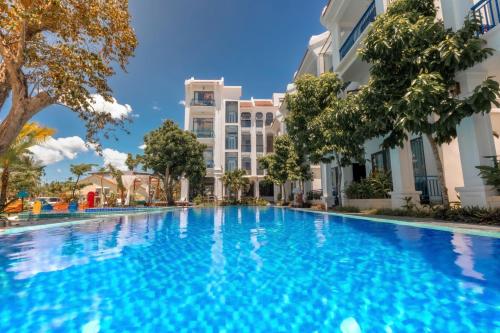
- An Bang Beach. Stay here for a beach holiday with Hoi An as a side trip. Guesthouses run €25-60 and beach resorts €100 or more.
- Cua Dai and the resort strip. These are big resorts for families and splurges, at €80-250. You'll be taking taxis into town.
What to eat in Hoi An
Hoi An punches far above its size for food, and several dishes are hard to find anywhere else.
- Cao lau: chewy noodles with pork, greens and crispy crackers in a little broth. Tradition says the real thing needs water from a particular local well. Order it at the Central Market or a family place, never on the promenade.
- Mi Quang: turmeric noodles with pork, shrimp or chicken, peanuts and a rice cracker. This is the dish of the province.
- Banh mi: Hoi An's are famous. Banh Mi Phuong and Madam Khanh are the two names everyone knows. Phuong has queues but moves fast, and both charge around 30,000-40,000 VND (€1-1.50).
- Com ga: chicken rice cooked with turmeric, served with shredded chicken and herbs. Com Ga Ba Buoi on Phan Chu Trinh is the classic.
- White rose dumplings (banh bao banh vac): delicate shrimp dumplings, made by just a few families who supply the town.
- Hoanh thanh chien: fried wontons topped with a sweet-sour salsa.
A street food lunch costs 40,000-80,000 VND (€1.50-3). A sit-down dinner with a beer at a decent local restaurant is €5-10 per person, and a smart restaurant is €15-30.
Airport to city centre and getting around
The nearest airport is Da Nang International (DAD), about 30 km north. A Grab car takes 40-50 minutes and costs roughly 300,000-400,000 VND (€11-15). Hotel transfers are similar or slightly higher. Shared shuttle buses run between Da Nang and Hoi An for around €3-5, but check the current schedule. Public bus routes exist, but they're slow and hard to use with luggage. If you're arriving by train, Da Nang station is the closest; Hoi An has no railway.
In town, walk and cycle. The Ancient Town is car-free for much of the day, and bikes are cheap. Grab cars and bikes work well for An Bang and the villages, and a scooter costs about 100,000-150,000 VND (€4-5.50) a day if you have a valid licence. There are no transport passes.
How much a trip to Hoi An costs
- Shoestring: €25-35 a day. This covers a hostel dorm or basic homestay (€8-12), street food (€6-8), a bike, the old town ticket spread over your stay, and a few beers.
- Mid-range: €60-100 a day. This covers a boutique hotel with a pool (€35-60), sit-down meals, a cooking class or a day trip, Grab rides and a lantern boat.
- Extras: tailoring (€20 to €200+), the My Son tour (€15-30), and cooking classes (€25-40).
Day trips from Hoi An
- My Son Sanctuary: ruined Cham Hindu temples in the jungle, about 40 km west and roughly an hour by car. Entry is about 150,000 VND (€5.50). Go early with a sunrise tour, or hire a Grab or driver. Allow half a day. Many temples were damaged by wartime bombing, which is part of the story.
- Marble Mountains: limestone hills with caves and pagodas, 30 minutes towards Da Nang. Entry is around 40,000 VND, and the lift up costs extra. Allow 2-3 hours, and skip the marble statue shops at the base.
- Da Nang: beaches, the Dragon Bridge (which breathes fire on weekend nights) and seafood. It's 45 minutes away, and a half or full day is enough.
- Cham Islands (Cu Lao Cham): snorkelling trips by speedboat from Cua Dai, about 20 minutes each way. Book a full day for €20-35. Boats stop running in rough weather, roughly from autumn into early winter.
- Hai Van Pass and Hue: the coastal road over the pass is one of Vietnam's great drives. Hue is a long day (3-4 hours each way), so overnight there if you can.
Common mistakes and scams
- Ordering tailoring on your last day. Good clothes need fittings, so order on day one. Check the fabric is what they claim (wool, linen, silk), and leave only a partial deposit.
- Being steered to "my cousin's tailor". Drivers and touts earn commission. Choose shops based on recent reviews.
- Not agreeing boat prices first. "Ten minutes" can become a demand for double at the end.
- Taking photos of street vendors carrying shoulder poles. They'll expect payment, which is fair, but agree it first.
- Ignoring the old town ticket. Checkpoints do check sometimes. It's cheap and helps fund preservation.
- Confusing banknotes. The 10,000 and 100,000 dong notes look alike, and so do the 20,000 and 500,000. Count your change.
Hoi An FAQ
How many days do you need in Hoi An?
Three days is ideal: one for the Ancient Town, one for cycling and the beach, and one for My Son or the Marble Mountains. Two days works if you skip the day trip.
Do you have to pay to enter Hoi An Ancient Town?
Officially yes. The ticket is about 120,000 VND (€4.50) and includes entry to five historic sites. Walking the streets doesn't need a separate fee.
Is Hoi An worth visiting or too touristy?
It is touristy, especially in the evenings, but it's still worth it. Go out early, cycle into the countryside and eat away from the river promenade.
What is the best month to visit Hoi An?
February to April has the best weather. Avoid October and November if floods would ruin your plans, though prices are lowest then.
How do I get from Da Nang Airport to Hoi An?
A Grab car takes about 45 minutes and costs 300,000-400,000 VND (€11-15). Hotel transfers and shared shuttles are the alternatives.
When is the Hoi An lantern festival?
It happens every month on the 14th day of the lunar calendar (the full moon), when the old town dims its electric lights. Check a lunar calendar for exact dates.
Is Hoi An good for getting clothes made?
Yes, if you allow at least two or three days for fittings and choose a well-reviewed shop. Cheap 24-hour jobs usually look it.
Is An Bang Beach worth it?
Yes, it's the best beach near Hoi An and an easy bike ride from town. Go in the morning, and use sunbeds free in exchange for buying food or drinks.
Photo: Wikipedia · · Wikimedia Commons · Guide updated 21 Nov 2026