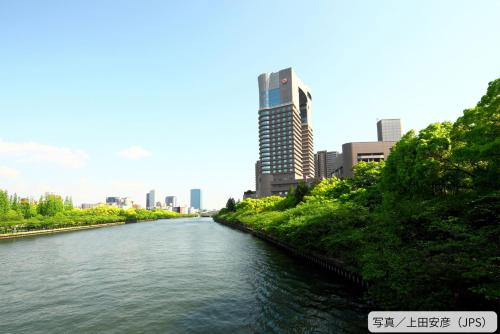
Osaka is Japan's loud, hungry, slightly scruffy second city, and that is exactly why people fall for it. It has fewer postcard temples than Kyoto and less polish than Tokyo. What it has is the best street food in the country, people who will actually talk to you at a counter bar, and a nightlife strip lit up like a pinball machine. Locals have a saying, kuidaore, roughly "eat until you drop", and the city takes it seriously.
It suits food lovers, first-timers who want Japan without Tokyo's scale, and anyone using Kansai Airport as a cheap entry point for Kyoto, Nara and Kobe. Three days is the right amount: two for the city itself and one for a day trip to Nara. Many people base themselves here for a week and do Kyoto as day trips, because Osaka hotels are usually cheaper and the evenings are better.
What to see in Osaka: the places worth your time
Dotonbori
Dotonbori is the canal-side food and neon strip in Namba, and you should see it at night. The Glico running man sign, the giant mechanical crab outside Kani Doraku and the crowds on Ebisu Bridge are the Osaka photo everyone takes. Give it an hour or two and treat it as a place to graze, not to sit down for a big meal, because the canal-front restaurants charge for the view. Free to walk. Our tip: come back around 7am when it is empty and the shutters are down. It looks like a different city.
Osaka Castle
The castle is the city's main landmark, but go for the park and the massive stone walls rather than the inside. The main tower is a 1931 concrete reconstruction with a museum and a lift, and the views from the top are pleasant but not special. Allow two hours including the grounds. Entry to the tower is roughly €7 (about ¥1,200, check the current price); the park is free. Go first thing or late afternoon, and in late March the Nishinomaru Garden is one of the best cherry blossom spots in the city.
Shinsekai and Tsutenkaku
Shinsekai is a retro, slightly rough district built in the early 1900s, full of fading signs, pachinko parlours and kushikatsu joints. Tsutenkaku Tower sits in the middle; the observation deck costs around €6-8 and is honestly optional. The real reason to come is to eat deep-fried skewers and soak up an Osaka that hasn't been tidied up for visitors. Spend 1-2 hours, ideally at dusk.
Kuromon Market
Kuromon is a covered market near Nippombashi station, nicknamed "Osaka's kitchen". It is worth a quick walk-through for the atmosphere, but it is now priced almost entirely for tourists: wagyu skewers for €15-20 and sea urchin at premium rates. Go mid-morning, budget 45 minutes, and buy one or two things rather than a full meal.
Umeda Sky Building
Two towers joined at the top by the Floating Garden Observatory, with an open-air rooftop deck 170 metres up. It is the best city view in Osaka. Entry is about €12 (around ¥2,000). Arrive just before sunset and stay until the lights come on, which takes about an hour. It is a 10-minute walk from Osaka/Umeda station through an underpass.
Abeno Harukas
Japan's tallest building until 2023 holds the Harukas 300 observatory above Tennoji station. The views are wider than Umeda's and the deck is glassed in, so it is the better choice on a cold or rainy day. About €12. Pair it with Tennoji Park and Shinsekai, which are walking distance.
Shitennoji
Founded in 593, Shitennoji is one of the oldest Buddhist temples in Japan, though most buildings are reconstructions. The outer grounds are free; the inner precinct and garden cost a few euros. One hour is plenty. On the 21st and 22nd of each month there is a large flea market in the grounds, which is the best time to go.
Sumiyoshi Taisha
This is the head shrine of the Sumiyoshi network and one of the oldest shrines in Japan, with an architectural style that predates Buddhist influence and a steep red arched bridge at the entrance. It is free and calm, a real contrast to Namba. Take the Nankai line from Namba (about 15 minutes) or the old Hankai tram from Tennoji, which is half the fun. Allow 1-1.5 hours.
Namba Yasaka Shrine
A small shrine famous for one thing: a 12-metre lion head stage with a mouth wide open to swallow bad luck. It takes 15 minutes and costs nothing. It is a 10-minute walk west of Namba station, so slot it in before Dotonbori.
Hozenji Yokocho
A narrow stone-paved alley a block from Dotonbori, with a tiny temple whose Fudo Myoo statue is completely covered in moss from people splashing water on it. Lantern-lit, quiet, full of small restaurants. Free, 20 minutes, best after dark.
Osaka Aquarium Kaiyukan
One of the largest aquariums in the world, built around a huge central tank with whale sharks. It is expensive (roughly €17-20), but it is impressive and the best rainy-day option in the city. Allow 2-3 hours and book a timed ticket online for weekends. It is at Osakako station on the Chuo line, and the Tempozan Ferris wheel is next door.
Universal Studios Japan
Only worth it if you are a theme park person, and specifically for Super Nintendo World, which is very well done. Tickets start around €50-60 and vary by date, and entry to the Nintendo area usually needs a timed ticket or an Express Pass that can double your spend. Go on a weekday, arrive before opening and expect a full day. Take the JR Yumesaki line to Universal City.
Things to do in Osaka
The best Osaka experiences are mostly about eating, drinking and wandering. A few ideas beyond the landmarks:
- Walk Tenjinbashisuji, a covered shopping street of roughly 2.6 km, often called the longest in Japan. It is full of cheap local food, croquette stands and old shops, with almost no tourist prices.
- Drink in Ura-Namba, the warren of standing bars and small izakaya behind Namba station. Beers start around €3-4 and the crowd is mostly local office workers.
- Shop in Amerikamura and Shinsaibashi-suji. Amemura is the vintage-clothes and youth-culture district; Shinsaibashi is the long covered arcade for drugstores and brands.
- Browse Den Den Town in Nipponbashi, Osaka's answer to Akihabara, for retro games, anime figures and electronics.
- Take a Tombori River Cruise along the Dotonbori canal. It takes about 20 minutes, costs around €8, and is cheesy but fun at night.
- Spend an evening at Spa World near Shinsekai, a huge onsen complex with themed bath floors. Entry is around €10-15. Tattoos are not allowed.
- Explore Nakazakicho, a few blocks from Umeda, where old wooden houses survived the war and now hold cafes and small galleries.
- Watch a game of Hanshin Tigers baseball at Koshien Stadium (spring to autumn). Tickets start around €15 and the fans are the show.
Osaka for free (or almost)
A lot of the best of Osaka costs nothing. The castle park, Dotonbori, Hozenji Yokocho, Namba Yasaka Shrine, Sumiyoshi Taisha and the outer grounds of Shitennoji are all free.
- The Umeda Sky Building's lower areas and the free observation spaces in some Umeda department stores give decent views without the ticket.
- Osaka Mint's cherry blossom walk opens to the public for about a week in April. It is free and one of the city's prettiest sakura events.
- Nakanoshima Park has a free rose garden that peaks in May and October.
- Konbini meals (7-Eleven, Lawson, FamilyMart) cost €3-6 and are better than they have any right to be.
- Walking the shopping arcades, from Shinsaibashi down through Namba, keeps you dry and entertained for hours.
Osaka itinerary: 3 days
Day 1: Castle, Umeda and Namba at night
Morning: Osaka Castle park early, before tour groups. Take the Chuo or Tanimachi line to Tanimachi 4-chome. Afternoon: head to Umeda for lunch in the basement food halls of Hankyu or Hanshin department stores, then walk to Nakazakicho for coffee. Be at the Umeda Sky Building for sunset. Evening: ride the Midosuji line south to Namba. Walk Hozenji Yokocho, then Dotonbori, then eat your way through takoyaki and okonomiyaki.
Day 2: South Osaka, old and new
Morning: the Hankai tram or Nankai line to Sumiyoshi Taisha, then back towards Tennoji for Shitennoji. Afternoon: Abeno Harukas if the weather is clear, then walk to Shinsekai for a late kushikatsu lunch. Evening: a soak at Spa World, or Kuromon (early, it closes in the afternoon) and Den Den Town, finishing with drinks in Ura-Namba.
Day 3: Nara day trip
Morning: Kintetsu train from Osaka-Namba to Kintetsu-Nara, about 40 minutes. See Todaiji's giant Buddha and the deer in Nara Park before 10am. Afternoon: Kasuga Taisha and the lantern-lined paths, then lunch in Naramachi. Evening: back in Osaka by 6pm for a Tenjinbashisuji food crawl or a farewell okonomiyaki.
What is overrated (and what to do instead)
- Eating a proper dinner on Dotonbori. The canal-front restaurants are crowded and overpriced. Walk Dotonbori, then eat in Ura-Namba or the side streets of Sennichimae.
- Kuromon Market as a food destination. It is now a tourist market with tourist prices. For a more local market feel, Tenjinbashisuji or the Hankyu food hall are better value.
- Inside Osaka Castle. The modern museum interior disappoints a lot of people. Walk the moats and walls, which are the genuinely old part, and skip the tower if you are short on time or money.
- Tsutenkaku observation deck. Low and dated. If you want views, Umeda Sky or Harukas are worth the extra few euros.
When to visit Osaka
The best times to visit Osaka are late March to early April for cherry blossoms and mid-October to late November for mild weather and autumn colour. Both are also the busiest and most expensive periods, so book hotels months ahead.
Summer (June to August) starts with the rainy season and then turns hot and humid, often well over 33°C. Late July brings Tenjin Matsuri, one of Japan's top three festivals, with boat processions and fireworks. Winter is cold but dry and mostly sunny, rarely snowy, and January to February (outside Lunar New Year) is the cheapest and quietest time. Avoid Golden Week (late April to early May) and the New Year holidays, when domestic travel spikes and prices jump.
Where to stay in Osaka: best areas
- Namba: the best base for first-timers and food lovers. You are walking distance from Dotonbori and Kuromon, and the Nankai line runs direct to Kansai Airport. Hotels about €70-150 a night for a double, hostels from €20-30.
- Shinsaibashi: just north of Namba, slightly calmer, full of mid-range hotels and right on the Midosuji line. Around €80-160.
- Umeda (Kita): business district with the main JR station, the best option if you plan lots of day trips to Kyoto and Kobe. Smarter hotels, less street life at night. About €90-200.
- Shin-Osaka: only if you are arriving or leaving by shinkansen early. Convenient but bland. €60-120.
- Tennoji/Shin-Imamiya: the budget pick, with cheap hotels and hostels near Shinsekai and good JR links to the airport. €40-90. The area around Shin-Imamiya is a bit rough after dark, though not dangerous.
What to eat in Osaka
Eating is the main reason to come, and Osaka's specialities are cheap, fried and messy.
- Takoyaki: octopus balls from street stalls, about €4-6 for 6-8. Let them cool, the centre is molten.
- Okonomiyaki: savoury cabbage pancake, often cooked on a griddle at your table. Order the pork or the mixed version; €7-12.
- Kushikatsu: breaded, deep-fried skewers of meat and vegetables. Shinsekai is the place. Rule number one: never double-dip in the shared sauce.
- Kitsune udon: udon topped with sweet fried tofu, invented in Osaka. A simple, cheap lunch for €5-8.
- 551 Horai butaman: steamed pork buns from the Osaka chain with queues at every station. About €1.50 each.
- Negiyaki: a thinner, spring onion-heavy cousin of okonomiyaki.
- Doteyaki: beef tendon stewed in miso, a classic beer snack in Shinsekai.
A lunch costs €6-12 in a ramen shop, udon counter or teishoku set restaurant. A dinner at an izakaya with a couple of drinks runs €20-35 per person. Many izakaya add an otoshi, a small compulsory starter of €2-4; it is normal, not a scam.
Airport to city centre and getting around
Most international flights land at Kansai International Airport (KIX), about 50 km out on an artificial island.
- Nankai Airport Express to Namba: about 45 minutes, around €6 (¥970). The cheapest good option.
- Nankai rapi:t to Namba: about 38 minutes, around €9 (¥1,500) with reserved seats. Only slightly faster, but comfier.
- JR Haruka to Tennoji and Shin-Osaka: 30-50 minutes, roughly €10-15. Best if you are staying near Tennoji or heading straight to Kyoto.
- Limousine bus to Umeda and major hotels: about an hour, around €11 (¥1,800). Useful with heavy luggage.
- Taxi: €100 or more. Not worth it.
Itami Airport handles domestic flights and is linked to Umeda by bus in about 30 minutes.
In the city, the Midosuji subway line is your spine, running north to south through Shin-Osaka, Umeda, Shinsaibashi, Namba and Tennoji. Single rides cost €1.20-2. Get an ICOCA card (or add one to your phone) and tap in everywhere, including on convenience store purchases. The Osaka Amazing Pass (around €20 for one day) includes unlimited subway rides plus free entry to Osaka Castle, the Umeda Sky Building, the river cruise and more; it pays off only if you hit three or four paid attractions in one day. The national Japan Rail Pass is not worth it for an Osaka-only trip.
How much a trip to Osaka costs
Osaka is cheaper than Tokyo, and the weak yen has made Japan good value for Europeans. Rough daily budgets per person:
- Shoestring: €50-70 a day. Hostel bed €20-30, konbini breakfast, street food and ramen for €15-20, transport €5-8, mostly free sights.
- Mid-range: €120-180 a day. Double room shared at €50-80 each, izakaya dinners, a couple of paid attractions, day trip tickets.
- Extras to budget for: Universal Studios (€60-150 with Express), kaiseki dinners (€80+), and the Nara day trip (about €10 return plus food).
Day trips from Osaka
- Nara: Kintetsu line from Osaka-Namba, about 40 minutes and €4. Todaiji, Nara Park's deer and Kasuga Taisha. Half to a full day.
- Kyoto: JR Special Rapid from Osaka station to Kyoto takes about 30 minutes for €4; the Hankyu line from Umeda to Kyoto-kawaramachi takes about 45 minutes and is cheaper. One day is never enough, but it works for Fushimi Inari and Gion.
- Himeji: about an hour on the JR Special Rapid (or 30 minutes by shinkansen). Himeji Castle is Japan's finest original castle and far more impressive than Osaka's. Half a day.
- Kobe: 25 minutes by JR from Osaka station. The harbour, Kitano's old Western houses and, of course, Kobe beef (lunch sets are much cheaper than dinner).
- Koyasan: Nankai line from Namba plus a cable car, about 2 hours. A mountain-top monastery town with the huge Okunoin cemetery. Best done overnight in a temple lodging.
Common mistakes and scams
Osaka is very safe, and outright scams are rare. The pitfalls are mostly about money and planning.
- Following touts on the streets around Dotonbori and Soemoncho into bars. Hidden cover charges and drink prices can turn into bills of hundreds of euros. Never go somewhere because someone on the street invited you.
- Carrying no cash. Cards are now widely accepted, but small food stalls, shrines and older restaurants are often cash only. Seven-Eleven ATMs take foreign cards.
- Trying to do Osaka and Kyoto in two days total. You will spend it on trains. Give Osaka at least two full days.
- Turning up at Universal Studios without a Nintendo World timed ticket on a busy day and missing the main reason you paid.
- Tipping. Don't. It causes confusion rather than goodwill.
- Booking cherry blossom season late. Hotel prices can double; book three or four months ahead.
Osaka FAQ
How many days do you need in Osaka?
Three days is ideal: two for the city and one for a day trip to Nara or Kyoto. With only two days, focus on Namba, Shinsekai and the castle.
Is Osaka worth visiting if I am going to Kyoto and Tokyo?
Yes. Osaka has the best food scene of the three and a more relaxed, sociable feel. It is also a cheaper base for exploring Kyoto.
Is Osaka cheaper than Tokyo?
Generally yes, especially for hotels and food. Expect to spend 10-20% less for similar comfort.
Which area is best to stay in Osaka for first-timers?
Namba or Shinsaibashi. You are walking distance from Dotonbori and have direct trains to Kansai Airport.
Is the Osaka Amazing Pass worth it?
Only if you visit at least three of the included paid attractions in one day. For a relaxed, food-focused trip, an ICOCA card is cheaper.
What is Osaka famous for?
Street food (takoyaki, okonomiyaki and kushikatsu), Dotonbori's neon, Osaka Castle and Universal Studios Japan. Locals also have a reputation as the funniest and friendliest people in Japan.
Can you do Nara as a half-day trip from Osaka?
Yes. It is 40 minutes by Kintetsu train from Namba, and the main sights in Nara Park are close together. Go early to beat the crowds.
Photo: Wikipedia · · Wikimedia Commons · Guide updated 21 Nov 2026