Kathmandu is loud, dusty and chaotic, and it is one of the most rewarding cities in Asia. Behind the traffic and tangled power cables you find thousand-year-old Newari courtyards, Tibetan monasteries where monks debate in the afternoon, and squares full of pagoda temples that are still in daily use, not just restored for photos. The city is really a valley: Kathmandu, Patan and Bhaktapur were three separate royal cities, and the best trip covers all three.
It suits travellers who can cope with some mess in exchange for living culture, trekkers passing through on the way to the Himalaya, and anyone on a budget, because Nepal is still very cheap by European standards. Give it 4 days: two for Kathmandu itself, one for Patan, one for Bhaktapur. With three you will rush, and with five you can add a hike on the valley rim. Prices below use roughly NPR 150 to the euro.
What to see in Kathmandu: the places worth your time
Boudhanath Stupa
Boudhanath is one of the largest stupas in the world and the centre of Tibetan life in Nepal, and it is the single best thing to see in Kathmandu. Pilgrims walk clockwise around the white dome all day, spinning prayer wheels, while monasteries and rooftop cafés ring the square. Plan 2-3 hours. Entry is about NPR 400 (€3). Our tip: come late afternoon, walk the kora with the crowd, then take a rooftop table for the butter lamps and chanting at dusk.
Swayambhunath (the Monkey Temple)
Swayambhunath sits on a hill west of the centre, with Buddha eyes watching over the whole valley. The climb up the steep eastern stairway (around 365 steps) is part of the point, and so are the monkeys, which will steal food from your hand. Allow 1.5 hours; entry is about NPR 200 (€1.50). Go first thing for clear views before the haze builds, and keep sunglasses and snacks out of reach.
Kathmandu Durbar Square
The old royal square, also called Basantapur, holds Hanuman Dhoka palace, the Kumari Ghar (home of the living goddess) and dozens of temples. The 2015 earthquake hit it hard and rebuilding is still visible. Allow 2 hours; the ticket for foreigners is about NPR 1,000 (€7). Keep the ticket, as it is valid for repeat visits if you get it stamped at the office.
Patan Durbar Square
Patan (officially Lalitpur) is just across the Bagmati River, and its Durbar Square is in our view the finest of the three. The temples are denser, the stone and woodwork more refined, and it feels less frantic. The ticket is about NPR 1,000 (€7). Give it half a day with the surrounding lanes, and check whether the Patan Museum, inside the old palace, needs a separate ticket when you buy.
Patan Museum
Housed in a restored palace wing, this is the best museum in Nepal and the place where Hindu and Buddhist iconography finally makes sense. Labels are clear and in good English. Allow 1.5 hours. The courtyard café behind it is a quiet lunch stop away from the traffic.
Bhaktapur
Bhaktapur is the best-preserved of the old cities, with brick lanes, potters drying clay in Pottery Square and the five-storey Nyatapola Temple in Taumadhi Square. It is around 13 km east, so it is a full day. The foreigner fee is steep at about NPR 1,500-1,800 (€11-12), but it pays for upkeep and the town is worth it. Stay into the evening when the tour groups leave.
Pashupatinath
The holiest Hindu temple in Nepal stands on the Bagmati, and open-air cremations take place on the riverbank ghats. Non-Hindus cannot enter the main temple but can watch from the far bank. Entry is about NPR 1,000 (€7); allow 1.5-2 hours. Be respectful: do not photograph grieving families up close, and decline the guides who attach themselves at the gate unless you actually want one.
Asan Tole and Indra Chowk
The old market streets between Thamel and Durbar Square are where locals actually shop: spices, brass pots, rice, marigold garlands, shawls. Small shrines are wedged between shops. It is free and takes about an hour on foot. Walk it on the way to Durbar Square rather than taking a taxi.
Garden of Dreams
A restored early 20th-century neo-classical garden at the edge of Thamel, and the calmest spot in the centre. Entry is about NPR 400 (€3). It is not essential, but an hour with a book and a coffee here resets your nerves after a morning of horns.
Narayanhiti Palace Museum
The former royal palace, turned into a museum after the monarchy ended in 2008. The interiors are frozen in time, and you can see where the 2001 royal massacre happened. Entry is around NPR 500 (€3.50); cameras and phones must be left at the gate. Allow 1.5 hours.
Kopan Monastery
A Tibetan Buddhist monastery on a hill north of Boudhanath, known for its meditation courses. Visiting the grounds is free and peaceful, with good views back over the valley. It takes about 30 minutes by taxi from Boudha; check visiting times first, as they change during courses.
Changu Narayan
Often described as the oldest temple in the valley, Changu Narayan sits on a ridge north of Bhaktapur, with stone carvings from the Licchavi period. Entry is about NPR 300-400 (€2-3). Combine it with Bhaktapur: you can hike between them in around 2 hours.
Things to do in Kathmandu
The sights are only half of it. These are the experiences we would put on the list:
- Take a mountain flight. Early-morning flights from the domestic terminal loop past Everest in about an hour. Expect €200-250; book only for clear-season mornings.
- Do a momo cooking class. Several in Thamel and Patan run 2-3 hours for about €20-30, and you eat what you make.
- Hike to Shivapuri. Shivapuri Nagarjun National Park on the northern rim has forest trails and Himalayan views on clear days. Park entry is about NPR 1,000 (€7).
- Go to a festival. Indra Jatra (September), Dashain and Tihar (October-November) fill the squares with processions and lamps.
- Take a meditation or yoga session. Kopan runs courses; drop-in yoga in Thamel costs about €5-10.
- Visit Thamel's bookshops. Kathmandu has some of the best second-hand travel bookshops in Asia, and they are good for maps before a trek.
- Watch the evening aarti at Pashupatinath. Fire rituals by the river at dusk, with music and bells.
Kathmandu for free (or almost)
Many of the best moments cost nothing. Walk the old-city lanes between Asan, Indra Chowk and the Seto Machhindranath temple, ducking into the hidden courtyards (bahals) behind small doorways. Kathesimbhu Stupa, a mini Swayambhunath, is free and a few minutes south of Thamel.
- Kopan Monastery grounds: free.
- Kirtipur, a hilltop Newari town southwest of the city: no ticket, cheap by local bus.
- Bungamati and Khokana, villages south of Patan with woodcarvers and oil mills: free or a small fee.
- Local buses: most rides across the valley cost under NPR 50 (€0.30).
The paid squares are where most of your sightseeing money goes. Budget around €40 in total for the big tickets over four days.
Kathmandu itinerary: 4 days
Day 1: Old Kathmandu and Swayambhunath
Morning: walk from Thamel south through Asan Tole and Indra Chowk to Kathmandu Durbar Square. Afternoon: taxi or a 30-minute walk west to Swayambhunath for views as the light softens. Evening: dinner in Thamel, then an early night, because jet lag and dust add up.
Day 2: Pashupatinath and Boudhanath
Morning: take a taxi to Pashupatinath. Afternoon: walk to Boudhanath, about 30-40 minutes along local roads, or take a short taxi. Detour to Kopan if you have energy. Evening: kora at dusk and dinner on a Boudha rooftop with Tibetan food.
Day 3: Patan
Morning: Patan Durbar Square and the Patan Museum. Afternoon: the Golden Temple (Hiranya Varna Mahavihar), the lanes north of the square, and a Newari lunch. Evening: drinks and dinner in Jhamsikhel, Patan's café district.
Day 4: Bhaktapur and Changu Narayan
Morning: take an early taxi or bus to Changu Narayan, then hike down to Bhaktapur. Afternoon: Durbar, Taumadhi and Pottery Squares, with juju dhau (yogurt) as a break. Evening: stay for sunset in the squares, then taxi back.
What is overrated (and what to do instead)
- Eating every meal in Thamel. Menus are long, prices are inflated and the quality is average. Eat in Patan, Boudha or at local momo shops instead.
- Nagarkot sunrise outside autumn. In spring haze or monsoon cloud you often see nothing. Go only in October-December, or hike Shivapuri instead.
- Kathmandu Durbar Square as your only square. Post-earthquake scaffolding is still around. If you only have time for one, pick Patan.
- Booking treks from the first agency that approaches you. Compare several, read recent reviews, and never pay everything upfront.
When to visit Kathmandu
The best time to visit is October to November: clear skies, mountain views, comfortable days around 20-25°C and major festivals. It is also peak trekking season, so hotels fill up and prices rise.
March to April is the second-best window. It is warm, with rhododendrons in bloom, but expect haze and poor air quality that blocks the mountains. December to February is quieter and cheaper, with sunny days but nights near freezing and power cuts in older guesthouses. June to September is monsoon: daily rain, landslides on roads out of the valley and the lowest prices, but the cultural sites stay open and green.
Where to stay in Kathmandu: best areas
- Thamel: the backpacker district, convenient for first-timers and trekkers, with everything within walking distance. It is noisy. Hostels cost €5-10, guesthouses €15-30 and good hotels €40-80.
- Patan (Jhamsikhel and around Durbar Square): calmer, more local, with better food. It suits couples and repeat visitors. Rooms cost €20-70.
- Boudha: peaceful, with monasteries and evening atmosphere, though further from the centre. Guesthouses cost €15-50.
- Lazimpat: embassy area north of Thamel, quieter, with mid-range and upscale hotels at €50-150.
- Freak Street (Jhochhen): the old hippie street by Durbar Square, now with cheap rooms at €10-20 and a faded charm.
What we would do: stay two nights in Thamel and two in Patan or Boudha.
What to eat in Kathmandu
Momos are the city's fuel: steamed dumplings with buffalo (buff), chicken or vegetables, served with a sesame-tomato achar. Try them fried or as jhol momos in a spicy broth. Dal bhat, rice with lentils, curry, pickles and greens, comes with free refills and is the best-value meal in Nepal.
Newari food is the local specialty. Order samay baji (a platter of beaten rice, buff, egg, beans and pickles), bara (lentil pancake), chatamari (a rice-flour "pizza") and yomari (a sweet dumpling). Honacha in Patan is a famously basic local spot for these. For Tibetan dishes like thukpa and thenthuk, eat around Boudha. Yangling in Thamel is popular for momos, and OR2K covers vegetarian Middle Eastern food.
- Local lunch (dal bhat or a plate of momos): NPR 200-500 (€1.50-3.50).
- Tourist restaurant dinner: NPR 1,000-2,000 (€7-13).
- Upscale dinner: €25-50.
- Local beer (Gorkha, Everest): about NPR 600-800 (€4-5) in restaurants.
Drink only bottled or filtered water, and favour busy places with high turnover.
Airport to city centre and getting around
Tribhuvan International Airport is about 6 km east of Thamel. There is no train or metro. A taxi to Thamel takes 20-40 minutes depending on traffic and costs about NPR 700-1,000 (€5-7); use the prepaid counter in arrivals for a fixed price. Ride apps such as Pathao and inDrive are often cheaper, but you pick up outside the terminal. Many hotels offer free or cheap pickup, so ask when booking.
Getting around, you will mostly walk and take taxis. Taxis rarely use meters, so agree the price before getting in. A ride within the city costs €2-5, and Patan from Thamel is about €3-4. Local buses and microbuses run from Ratna Park to Patan and Bhaktapur for NPR 30-60 (€0.20-0.40). They are crowded but fine in daylight. There is no tourist travel pass.
How much a trip to Kathmandu costs
- Shoestring: €20-30 per day. This covers a hostel dorm, dal bhat and momos, local buses, and one paid site.
- Mid-range: €50-90 per day. This covers a good hotel, restaurant meals, taxis everywhere, and tickets.
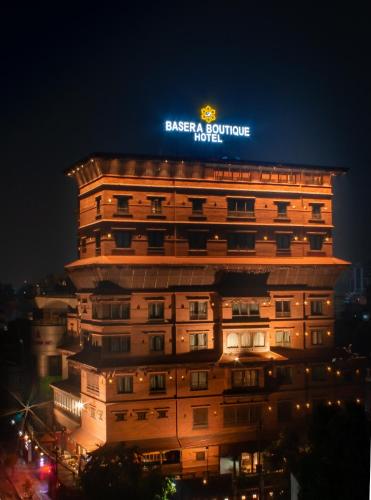
- Comfortable: €120+ per day. This covers a boutique hotel such as a heritage property in Patan, private drivers, and a guide.
- Extras: the visa on arrival costs about $30 for 15 days or $50 for 30 days, and site tickets add up to about €40 over four days.
Day trips from Kathmandu
- Bhaktapur and Changu Narayan: 30-45 minutes by taxi (€10-15) or bus. Allow a full day.
- Nagarkot: a hill village on the eastern rim for sunrise over the Himalaya. It is about 1.5 hours by taxi and best done overnight in clear season.
- Dhulikhel and Namobuddha: about 1.5 hours east by bus or taxi, with an old Newari town and a hike to a hilltop monastery. Allow a long day.
- Chandragiri Hills: a cable car from the valley's southwest edge to views over the Himalaya. It is about an hour from Thamel by taxi. Check current ticket prices, which are around €15-20 for foreigners.
- Kirtipur, Bungamati and Khokana: quiet Newari villages 30-45 minutes south and southwest, good for a half day.
Common mistakes and scams
- Fake monks press a bracelet or blessing into your hand and then ask for money. Say no and keep walking.
- The "milk for my baby" scam in Thamel: you buy formula at a nearby shop at an inflated price, and it gets returned for cash afterwards.
- Self-appointed guides at Durbar Square and Pashupatinath start explaining and then demand a fee. Agree a price first or decline politely.
- Sadhus at Pashupatinath expect payment for photos. That is fair, but agree the amount first.
- Taxis quote tourist prices, so always agree before getting in or use a ride app.
- Gem and "art school" thangka shops run commission-driven tours, so do not buy under pressure.
- Underestimating traffic and pollution. Bring a mask for dusty days and do not plan more than two big sights per day.
- Walking anticlockwise around stupas, or touching people's heads, offends locals. Go clockwise, and remove shoes where asked.
Kathmandu FAQ
How many days do you need in Kathmandu?
Four days covers Kathmandu, Patan and Bhaktapur at a reasonable pace. With three, you will have to rush one of the old cities.
Is Kathmandu safe for tourists?
Yes, violent crime against visitors is rare. The main risks are traffic, petty scams and stomach trouble.
Can you see Everest from Kathmandu?
Not from the city itself. You need a mountain flight, or a clear day at Nagarkot for a distant view of the range.
What is the best area to stay in Kathmandu?
Thamel is the most convenient for first-timers. Patan and Boudha are calmer and more atmospheric.
Do I need a visa for Nepal?
Most nationalities get a visa on arrival at Tribhuvan airport, about $30 for 15 days or $50 for 30 days. Check current rules before you fly.
Is Kathmandu worth visiting if you are not trekking?
Yes. The valley has seven UNESCO-listed monument zones, and the living temple culture alone justifies the trip.
What is the best month to visit Kathmandu?
October and November bring the clearest skies and the big festivals. March and April are a good alternative.
Can I use cards in Kathmandu?
Hotels and larger restaurants take cards, often with a surcharge. Carry rupees for taxis, tickets and local food.
Photo: Wikipedia · · Wikimedia Commons · Guide updated 21 Nov 2026