- How many days in Casablanca
- 2 days to see the essentials of Casablanca; the day-by-day route is below.
- Budget
- Extras: Budget about €13 for the mosque tour, €5 for the train to Rabat (more on the Al Boraq high-speed line) and €8-12 for a drink at a bar.
- From the airport
- Mohammed V Airport is about 30 km south of the city.
- Where to stay
- Centre ville (around Boulevard Mohammed V and Place des Nations Unies): This area is best for first-timers without a car.
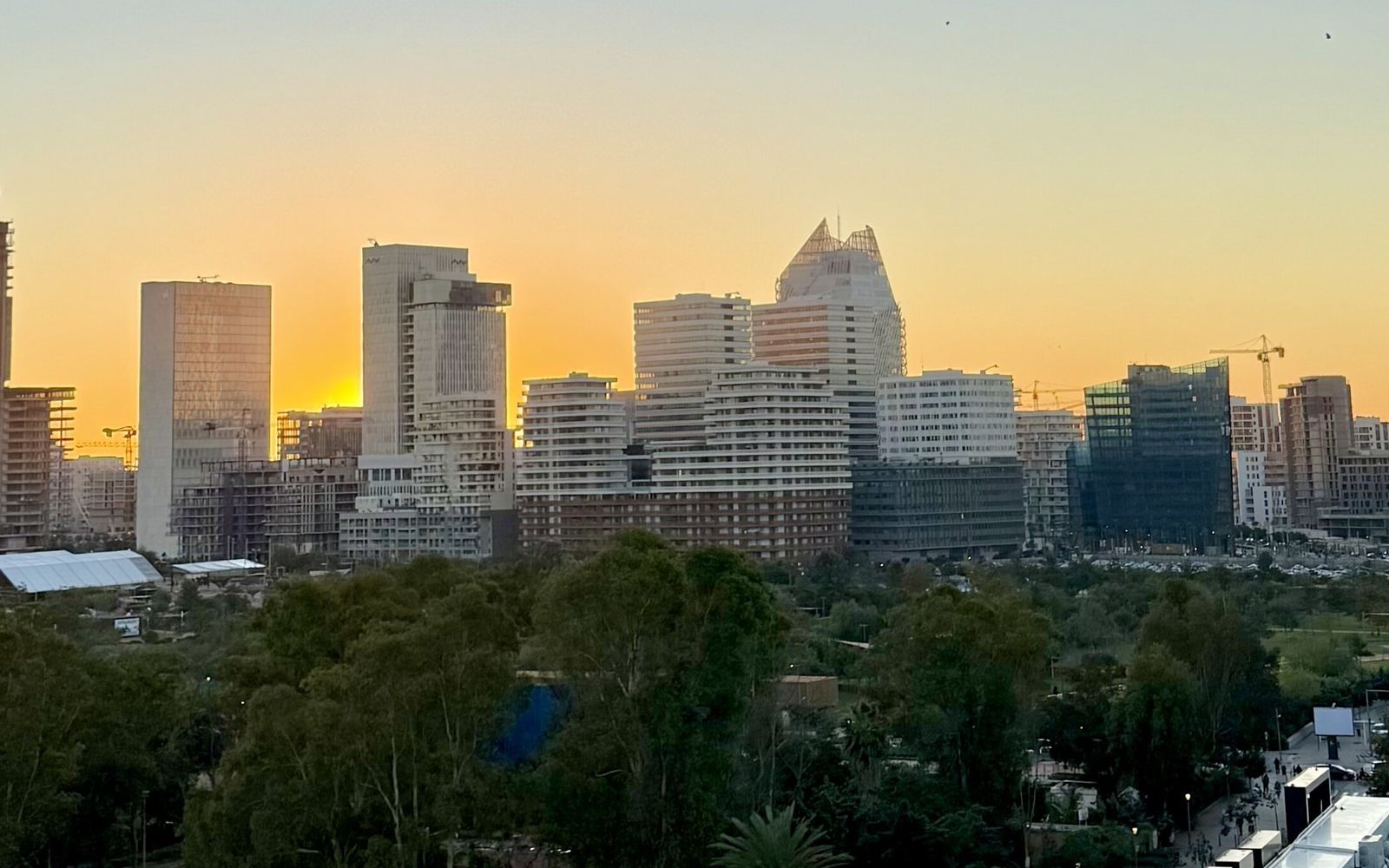
Casablanca is not the Morocco of postcards, and it has never pretended to be. It is the country's business capital: loud, sprawling, a bit grimy in places and very modern in others. It has a skyline of 1930s Art Deco apartment blocks, one of the largest mosques on earth sitting on the Atlantic, and a seafront where people jog, eat grilled fish and sip coffee until midnight. Most travellers fly in, look at the mosque and leave for Marrakech. That is a mistake, though not a huge one.
The city suits people who like real cities more than curated ones: architecture fans, food lovers, anyone curious about how modern Morocco actually lives. It is also a cheap gateway, because flights into Mohammed V Airport are often the lowest in the country. Two days is the right amount. With two days you can see the highlights without rushing and get a feel for the place. A third day works best as a day trip to Rabat or El Jadida.
What to see in Casablanca: the places worth your time
Hassan II Mosque
This is the one sight you cannot skip, and it is one of the few mosques in Morocco that non-Muslims can enter. It was finished in 1993 and is built partly over the ocean. Its minaret is about 210 metres tall, and the interior is a showcase of Moroccan craftsmanship in cedar, marble and zellige tilework. The guided tour lasts about an hour and costs about €13 (140 MAD). The exterior and esplanade are free.
Our tip: tours run at set times and do not run during Friday midday prayers, so check the schedule and arrive 20 minutes early. Cover shoulders and knees. Come back at sunset for photos from the esplanade, when the stone turns gold.
The Corniche at Ain Diab
The Corniche is the long seafront boulevard west of the mosque, lined with beach clubs, cafés and hotels. It is where Casablanca goes to relax, especially on weekend evenings. Walking or just sitting is free. Plan 1-2 hours, ideally late afternoon into dusk. The beach clubs charge entry, often €10-25, but the public stretches of sand cost nothing.
Marabout of Sidi Abderrahmane
This small whitewashed shrine sits on a rocky outcrop just off the Corniche. At high tide it becomes an island. Non-Muslims cannot go inside, and at low tide you will be pestered by people offering "guidance". The view from the shore is the real reward. Allow 30 minutes, and check the tide if you want to cross. Free.
Quartier Habous (New Medina)
The French built the Habous in the 1930s as an idealised Moroccan medina: arcaded lanes, tidy souks, olive sellers and bookshops. It is calmer and cleaner than the old medina and the best place in the city to shop without a hard sell. Give it 1.5-2 hours.
Our tip: buy almond pastries at Pâtisserie Bennis, a local institution, for a few euros a box.
Mahkama du Pacha
Right by the Habous stands a 1950s courthouse and administrative palace with carved stucco, cedar ceilings and dozens of rooms. It is still a government building, so access depends on the day and sometimes on whoever is at the door. If it is open, it is one of the finest interiors in the city. Allow 45 minutes. Entry is usually free or a small tip to a guide.
Old Medina
Casablanca's old medina is small, functional and frankly not beautiful. It sells cheap clothes and phone cases to locals rather than lanterns to tourists. It is worth an hour for the walls, the Sqala bastion along its northern edge and the honest street life. Do not expect Fes.
La Sqala
This 18th-century fortified bastion sits on the edge of the medina, with old cannons on its ramparts and a restaurant in its shaded garden courtyard. The setting is lovely for breakfast or a late lunch. Mains run about €10-18.
Art Deco downtown: Boulevard Mohammed V and around
Casablanca has one of the best collections of 1920s-50s colonial-era architecture in Africa, a mix of Art Deco and neo-Moorish styles. Walk Boulevard Mohammed V from Place des Nations Unies, then cut through the side streets around the Marché Central and Rue Prince Moulay Abdallah. Look up at the wrought-iron balconies and faded facades. Allow 2 hours. Free.
Our tip: the local heritage association Casamémoire runs walks and occasional open days. Check their programme before you go.
Place Mohammed V
The city's grand administrative square is framed by the courthouse, the post office and the Wilaya building with its clock tower. It is a 20-minute stop at most, and an easy one, because the tram passes right by. Free.
Sacré-Cœur Cathedral
This white 1930s former cathedral faces the Arab League Park. It is no longer a church and is now used as a cultural venue, so access varies. The striking exterior is reason enough to swing by on your way through the park. Free from outside.
Museum of Moroccan Judaism
Tucked away in the Oasis district, this is the only museum of its kind in the Arab world. It covers centuries of Jewish life in Morocco through costumes, ritual objects and synagogue reconstructions. It is small and quietly moving. Plan an hour and about €5. It is out of the centre, so take a petit taxi.
Villa des Arts
A 1930s Art Deco villa now hosts contemporary Moroccan art exhibitions. It is a good, calm hour if the current show interests you. Entry is cheap or free depending on the exhibition, so check what is on.
Rick's Café
This is a recreation of the bar from Casablanca, which was filmed entirely in Hollywood. It is a touristy idea done well, with a piano player and a 1940s interior. Book ahead for dinner and dress smartly. Drinks cost €8-12 and mains €20-30.
Things to do in Casablanca
The city rewards doing as much as seeing. These are the ideas we would pick:
- Eat oysters at the Marché Central. The fishmongers inside shuck Oualidia oysters, and small stalls will cook the fish you choose for a modest fee.
- Visit a hammam. A local public hammam costs a few euros. A spa version with gommage and massage runs about €25-50.
- Surf at Ain Diab. Surf schools along the Corniche rent boards and give lessons from about €25-35. The waves are friendly in summer and stronger in winter.
- Ride the tram end to end. It is a cheap way to see how the city shifts from the centre to working-class suburbs.
- Sit in a café terrace for an hour. Nous-nous (half coffee, half milk) and people-watching are a Casablanca pastime. Around Boulevard d'Anfa and the Maârif district, the terraces are full all day.
- Shop in Maârif. This is where locals buy clothes and shoes, with real prices and no haggling.
- Watch a football match. If Raja or Wydad are playing a derby, the atmosphere is extraordinary. Buy tickets through official channels only.
Casablanca for free (or almost)
Most of what makes Casablanca interesting costs nothing. The Hassan II Mosque esplanade, the Corniche, the Art Deco walk downtown, the Arab League Park, the Habous lanes, the old medina and Place Mohammed V are all free.
The cheap extras are a tram ride (under €1), a msemen pancake and mint tea from a street stall (about €1), and the Mahkama du Pacha if it is open. A grilled sardine sandwich near the port costs less than a coffee in Europe.
Casablanca itinerary: 2 days
| Day | Morning | Afternoon | Evening |
|---|---|---|---|
| Day 1 Mosque, medina and the sea | Start at the Hassan II Mosque for an early guided tour. Then walk east along the coast road to the old medina and La Sqala. Have lunch in the Sqala garden. | Walk through the medina to Place des Nations Unies, then do the Art Deco stroll down Boulevard Mohammed V. Finish at the Marché Central with a plate of oysters. | Take a petit taxi to the Corniche for sunset, with a view of the Sidi Abderrahmane marabout. Have dinner in Ain Diab, or at Rick's Café if you booked. |
| Day 2 Habous, parks and modern Casa | Go to the Quartier Habous for pastries at Bennis, shopping and the Mahkama du Pacha. | Take a taxi to the Museum of Moroccan Judaism. Then head to Place Mohammed V, the Arab League Park and the Sacré-Cœur. Stop at Villa des Arts if an exhibition appeals. | Spend a café hour in Maârif, followed by a hammam, then a tagine dinner nearby. |
What is overrated (and what to do instead)
- The old medina as a "sight". It is a working market, not a showpiece. Give it an hour, then put your shopping time into the Habous.
- Morocco Mall. It is a huge mall at the end of the Corniche, with an aquarium in the middle. It is fine if it rains, but otherwise it is just a mall. Walk the Corniche instead.
- Rick's Café as a film pilgrimage. Remember the film was not shot here. Go for a drink and the piano if you enjoy the mood. Skip it if you expect history.
- Beach clubs on the Corniche. The entry fees are steep and the music is loud. If you want to swim, go to El Jadida or the public beaches, where the water feels the same.
When to visit Casablanca
April to June and September to October are the best months: around 20-26°C and sunny, with the ocean keeping things fresh. Summer rarely gets brutal here, unlike Marrakech, but July and August bring Moroccan holidaymakers and higher hotel prices along the coast. Morning sea mist is common too.
Winter is mild (about 12-18°C) but damp, with the most rain from November to February. It is also the cheapest time for flights and hotels. During Ramadan, daytime is quiet and many cafés close until sunset, but the evenings are lively.
Where to stay in Casablanca: best areas
- Centre ville (around Boulevard Mohammed V and Place des Nations Unies): This area is best for first-timers without a car. It is close to the tram, Casa Port station and the Art Deco streets, though it is noisy. Expect €35-90 a night.
- Gauthier and Racine: These leafy, safe neighbourhoods are full of cafés and restaurants and walkable to the centre. They suit couples and mid-range budgets. Expect €50-120.
- Maârif: This is a local, lively shopping district with good food and less tourist feel. Expect €40-100.
- Ain Diab and the Corniche: Here you get sea views, beach clubs and nightlife, but you are far from the centre, so you will use taxis. Expect €70-200 and more for the big hotels.
We would avoid sleeping inside the old medina. It has few decent guesthouses, unlike Fes or Marrakech.
What to eat in Casablanca
Casablanca is a seafood town first. At the Marché Central, order oysters from Oualidia, grilled sardines, calamari and whatever fish looks freshest. Away from the fish counters, these are the dishes to look for:
- Bissara: a fava bean soup with olive oil and cumin, eaten for breakfast.
- Harira: a tomato and lentil soup, especially at Ramadan.
- Msemen and baghrir: square flaky pancakes and spongy semolina pancakes, served with honey.
- Fish tagine: a coastal speciality, with fish cooked alongside tomatoes and peppers.
- Pastilla: a flaky pie of pigeon or chicken with almonds and cinnamon. A seafood version is common here.
- Couscous: traditionally eaten on Fridays.
- Rfissa: shredded msemen with chicken and lentils.
A local lunch of soup, a tagine and mint tea costs €4-8 (45-90 MAD). A sit-down dinner at a good mid-range restaurant costs €15-25. Smart places on the Corniche or at Rick's run €30-50 a head with wine.
Alcohol is available in licensed restaurants and bars, but not everywhere. Skip the restaurants right outside the mosque, which are overpriced and forgettable.
Airport to city centre and getting around
Mohammed V Airport is about 30 km south of the city. These are your options:
- ONCF train: The station is under the terminal. Trains run to Casa Voyageurs and Casa Port in about 35-50 minutes, for about €4-5 (around 50 MAD). This is the best option.
- Grand taxi: These run at a roughly fixed fare of about €27-30 (300 MAD) to the centre and take 40-60 minutes, depending on traffic. Agree the price before you get in.
- Transfer apps and hotel pickups: These cost a similar price to a taxi or a bit more, but they are less hassle late at night.
In town, the tram network covers the centre, Ain Diab, Casa Voyageurs and the suburbs, with several lines. A ride costs under €1. You buy a rechargeable card at the station machines and top it up.
Red petit taxis are cheap, at €1.50-4 for most rides. Insist on the meter ("compteur"). They take up to three passengers and may pick up others along the way. Careem and inDrive also work in the city. Walking is fine in the centre, but the city is big and sidewalks can be chaotic.
How much a trip to Casablanca costs
| Level | Per person per day | What it covers |
|---|---|---|
| Shoestring | €35-55 a day | This covers a hostel or basic hotel (€15-30), street food and local lunches (€8-12), tram and shared taxis (€3), and the mosque tour on one day. |
| Mid-range | €90-150 a day | This covers a comfortable hotel in Gauthier or the centre (€55-100), two sit-down meals (€25-40), taxis (€8), and a hammam or museum. |
- Extras: Budget about €13 for the mosque tour, €5 for the train to Rabat (more on the Al Boraq high-speed line) and €8-12 for a drink at a bar.
Day trips from Casablanca
- Rabat: The calmer, greener capital is about 1 hour away by train from Casa Voyageurs or Casa Port. See the Kasbah of the Udayas, the Hassan Tower and the Mausoleum of Mohammed V. This is the best day trip.
- El Jadida: Here you will find the Portuguese Cistern and the old fortified Mazagan, a UNESCO site. It takes about 1.5 hours by train or bus. Combine it with Azemmour, a small whitewashed town on the river, 20 minutes away by grand taxi.
- Mohammedia: This easy beach town is 20-30 minutes by train. It is good for a lazy half day.
- Marrakech: It is about 2.5-3 hours by train. Do it as a day trip only if you have no other choice. It deserves at least two nights.
Common mistakes and scams
- Taxis without the meter. Drivers may quote a "fixed" price that is triple the meter fare. Say "compteur" or get out. Grand taxis from the airport are fixed fare, so settle the fare first.
- Fake guides at the mosque and the marabout. You only need the official mosque ticket desk. Ignore anyone who says the tour is "full" and offers an alternative.
- "The mosque is closed today." This is a classic line to redirect you to a shop. Check the official schedule yourself.
- Restaurant bills. Ask for the price of fish by weight before it is cooked, and check for bread and olives you did not order.
- Underestimating distances. The mosque to Ain Diab looks walkable on a map. It is a long, dull walk, so take a taxi or the tram.
- Bag snatching. It happens in crowded areas and on scooter drive-bys. Keep your phone away from the kerb edge, especially downtown at night.
- Skipping Casablanca entirely. A day and a night here gives you a version of Morocco most visitors never see.
Casablanca FAQ
How many days do you need in Casablanca?
Two days is enough to see the main things to do in Casablanca at a relaxed pace. Add a third day if you want a day trip to Rabat or El Jadida.
Is Casablanca worth visiting?
Yes, if you like architecture, seafood and real city life. The Hassan II Mosque alone justifies a stop. If you want medinas and riads, spend more time in Fes or Marrakech.
Can non-Muslims visit the Hassan II Mosque?
Yes, on the official guided tour, which costs about €13 (140 MAD). Dress modestly, and check the tour times because they change around prayers and on Fridays.
Is Casablanca safe for tourists?
Generally yes, with the usual big-city care. Watch for pickpockets and phone snatching, and use metered or app taxis at night.
How do I get from Casablanca airport to the city?
The train from under the terminal is the cheapest and easiest option, at about €4-5 and 35-50 minutes to Casa Port or Casa Voyageurs. A grand taxi costs about €27-30.
Was the film Casablanca filmed in Casablanca?
No, it was shot entirely in Hollywood. Rick's Café is a recreation opened in 2004.
Is Casablanca expensive?
It is pricier than the rest of Morocco but cheap by European standards. Local meals cost €4-8 and a decent hotel about €50-100 a night.
Can you swim in Casablanca?
Yes, at the Ain Diab beaches, though the Atlantic is cool and the currents can be strong. For calmer, cleaner water, head to El Jadida or Mohammedia.
What to see in Casablanca in one day?
If you only have one day, follow day 1 of this itinerary: Mosque, medina and the sea. Morning: Start at the Hassan II Mosque for an early guided tour.
What to do in Casablanca in 2 days?
With two days in Casablanca, this is the guide's route: Day 1, Mosque, medina and the sea; Day 2, Habous, parks and modern Casa. The table above has the full plan for each day.
Where to stay in Casablanca?
Centre ville (around Boulevard Mohammed V and Place des Nations Unies): This area is best for first-timers without a car. The 3 hotels with the best real guest scores, according to top3hotels.com, are budget: Relax Hotel Casa Voyageurs (Roches Noires, score 8.6, from €51 a night); best value: Kaan Casablanca (Sidi Belyout, score 9, from €127 a night); luxury: Royal Hideaway Casablanca (Sidi Belyout, score 9.4, from €183 a night). The nightly price is indicative and changes with the dates.
How do you get around Casablanca?
In town, the tram network covers the centre, Ain Diab, Casa Voyageurs and the suburbs, with several lines.
What are the must-see places in Casablanca?
According to this guide: Hassan II Mosque; The Corniche at Ain Diab; Marabout of Sidi Abderrahmane; Quartier Habous (New Medina); Mahkama du Pacha; Old Medina; La Sqala; Art Deco downtown: Boulevard Mohammed V and around. Each one is explained in the "What to see" section.
Photo: Wikipedia · · Wikimedia Commons · Guide updated 21 Nov 2026


