- How many days in Nairobi
- 3 days to see the essentials of Nairobi; the day-by-day route is below.
- Budget
- Big-ticket extras: national park entry plus vehicle comes to €140-200.
- From the airport
- The quickest way from Jomo Kenyatta International Airport (JKIA) into the city is by Uber or Bolt .
- Where to stay
- Karen and Lang'ata: green and quiet, with garden cottages and boutique lodges close to the park, the Sheldrick and the Giraffe Centre.
- What to eat
- Try it if you are adventurous.
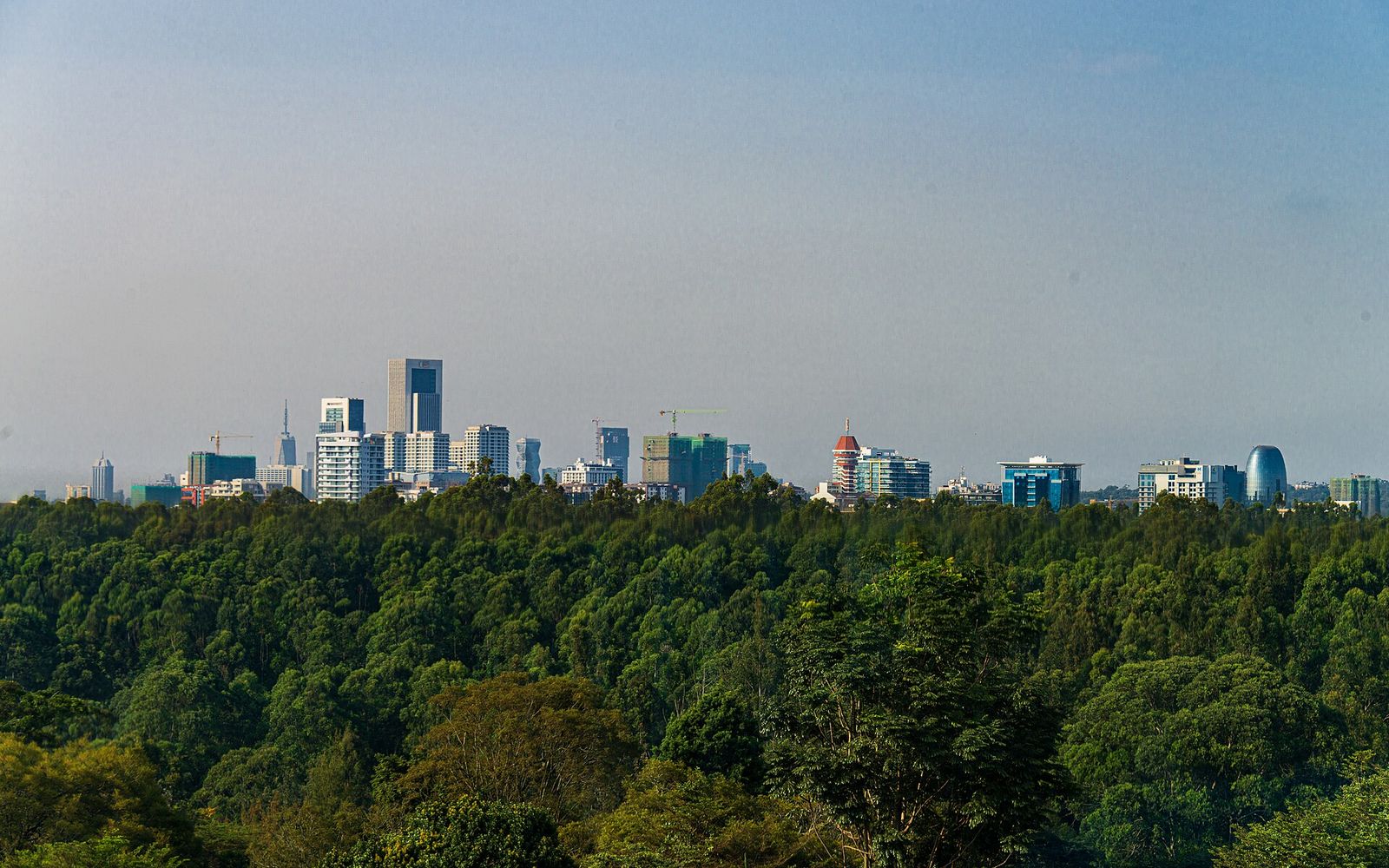
Nairobi is the only capital in the world where you can watch a lion stalk across the savannah while the skyline sits on the horizon behind it. The city itself is loud, gridlocked and a bit chaotic, with a grubby but lively centre and leafy suburbs full of good coffee and better restaurants. Most people treat it as a one-night stopover before the Maasai Mara, and that is a mistake. It deserves a few days of its own.
It suits travellers who want wildlife without the cost of a full safari, people who like food and nightlife, and anyone curious about modern East Africa. Three days is the right amount: one for the national park and the animal sanctuaries, one for the city and its museums, and one for the forest, markets and an evening out. Add a fourth if you want a day trip to Lake Naivasha or Hell's Gate.
What to see in Nairobi: the places worth your time
Nairobi National Park
This is the reason to come, and it is a real park, not a zoo. You can see lions, rhinos (black and white), giraffes, zebras, buffalo and hundreds of bird species, often with office towers in the background. Entry for non-residents is about US$80 (around €75), plus a vehicle and driver, which costs €60-120 for a half day through a local operator. Our tip: enter at the main gate on Lang'ata Road at opening time. The animals are most active early, and you will be back before the traffic gets bad.
Sheldrick Wildlife Trust elephant orphanage
Orphaned baby elephants are walked out for a mud bath and a bottle feed while a keeper explains each calf's story. It lasts about an hour, sits just inside the national park and costs roughly €15-20. It is busy and a bit of a scrum at the rope, but it is still lovely. Book online in advance because it sells out, and stand on the side closest to the mud hole.
Giraffe Centre
A raised platform in Lang'ata where you hand-feed endangered Rothschild's giraffes at head height. Entry is about KSh 1,500 (€10) and you need 45 minutes. It is touristy and a little cramped, but feeding a giraffe that is wrapping its tongue round your fingers is genuinely fun. Go early on a weekday to avoid the school groups. Giraffe Manor next door is the famous hotel; unless you are staying there, you only get to look at it from outside.
Karen Blixen Museum
This is the farmhouse of the Danish author of Out of Africa, in the suburb named after her. The guided tour takes about 45 minutes and costs around KSh 1,200 (€8). It is more interesting if you know the book or the film, and fine but short if you do not. Combine it with the Giraffe Centre and the Sheldrick on the same morning, since they are all in the south-west of the city.
Nairobi National Museum
The museum stands on Museum Hill and has the best introduction to Kenya you will find: early human fossils from the Rift Valley, a huge bird collection, and good galleries on Kenyan history and independence. Allow two hours and expect to pay about KSh 1,200 (€8). The snake park next door is small and optional. Pay at the gate for the museum only unless you have a real interest in reptiles.
KICC rooftop
The Kenyatta International Convention Centre is the cylindrical tower in the centre. Its helipad gives you the best 360-degree view of the city and, on a clear day, the Ngong Hills. Entry runs roughly KSh 500-1,000 (€4-7) at the ground-floor desk, and you need about 30 minutes. Go late afternoon for softer light, and bring ID.
Karura Forest
Karura is a large urban forest north of Westlands with walking and cycling trails, a waterfall, caves used by Mau Mau fighters, and almost no traffic noise. Non-residents pay about €5 to enter. You can rent a bike at the main gate on Limuru Road for a few euros. Two to three hours is ideal, and River Café near the entrance is a good place for breakfast before you start.
Nairobi Railway Museum
Old steam locomotives and carriages from the colonial line that built the city sit in a yard near the railway station, some of which you can climb into. It is dusty, underfunded and charming. You need an hour and it costs a few euros. It is a good stop for anyone who likes trains or wants to understand why Nairobi exists at all.
Nairobi Gallery and the city centre
The Nairobi Gallery is a small art space in the old colonial Provincial Commissioner's office at the corner of Kenyatta Avenue and Uhuru Highway. From there, walk past the Kenyatta Mausoleum area, City Hall and Kimathi Street with its statue of Dedan Kimathi. Allow two hours for the whole loop. The centre is fine by day if you stay alert, and you should avoid it after dark.
Kazuri Beads
Kazuri is a workshop in Karen that employs mainly single mothers to make hand-painted ceramic beads and pottery. The tour is free and takes about 30 minutes, and the shop is one of the more honest places to buy souvenirs. Fit it in between the Giraffe Centre and the Karen Blixen Museum.
Maasai Market
This rotating open-air craft market moves around the city by day of the week. Common spots include the Village Market in Gigiri and Prestige Plaza on Ngong Road. You will find beadwork, kikoys, soapstone and wooden carvings. Entry is free, and haggling is expected: start at about a third of the first price. Check the current schedule locally because locations change.
Bomas of Kenya
Bomas is a cultural centre in Lang'ata with recreated homesteads from different Kenyan communities and a daily afternoon show of traditional dance. It is dated and a bit school-trip in feel, but the dancers are good. It costs a few euros and takes two hours. Go only if you have the time after the park.
Things to do in Nairobi
The best things to do in Nairobi are often not sights at all. These are the ones we would make time for:
- Eat nyama choma on a Sunday afternoon. Grilled goat or beef with kachumbari and a cold Tusker is the national weekend ritual.
- Cycle Karura Forest. It is the easiest escape from the traffic, and the trails are well marked.
- Hike the Ngong Hills. The ridge walk takes 3-4 hours, with views over the Rift Valley on one side and the city on the other.
- Catch live music. Westlands and Kilimani have bars with live bands and DJs, especially Thursday to Saturday.
- Visit the GoDown Arts Centre. This arts hub in Industrial Area hosts exhibitions, performances and events. Check what is on before you go.
- Take a tea farm lunch in Limuru. Kiambethu Farm, about an hour north, offers a tour and lunch on a historic tea estate.
- Ride a matatu once. These privately run minibuses are covered in graffiti, play loud music and are a big part of Nairobi culture. Try a short, daytime ride with a local if you can.
Nairobi for free (or almost)
Nairobi is not a cheap city for visitors, because the headline sights charge non-resident prices. A few things cost nothing or close to it:
- Walking Uhuru Park and Central Park next to the centre on a weekend, when families picnic and rent rowing boats on the lake.
- The Kazuri Beads workshop tour (free).
- Browsing the Maasai Market and the City Market on Muindi Mbingu Street.
- Window-shopping and people-watching in the open-air malls of Westlands and Gigiri.
- Karura Forest, which costs only about €5.
- The Nairobi Gallery and the Railway Museum, both a few euros.
Nairobi itinerary: 3 days
| Day | Plan |
|---|---|
| Day 1 | Wildlife in the south-west. Morning: enter Nairobi National Park at opening time for a 4-hour game drive. Midday: exit and head to the Sheldrick elephant orphanage for the late-morning feeding, which you will have booked ahead. Afternoon: continue to the Giraffe Centre, then Kazuri Beads and the Karen Blixen Museum, all within a short drive. Evening: dinner in Karen, where there are several good garden restaurants. Head back early, or stay in Karen to avoid the drive across town. |
| Day 2 | City centre and museums. Morning: start at the Nairobi National Museum on Museum Hill. Afternoon: drive into the centre for lunch, walk past the Nairobi Gallery, City Hall and Kimathi Street, then visit the Railway Museum. Finish on the KICC rooftop in the late afternoon. Evening: go out for dinner and drinks in Westlands. Take an Uber or Bolt back rather than walking. |
| Day 3 | Forest, markets and nyama choma. Morning: have breakfast at River Café and cycle or walk Karura Forest. Afternoon: catch the Maasai Market wherever it is that day, or shop at the Village Market in Gigiri. Evening: go for a long nyama choma dinner and a final drink in Kilimani. |
What is overrated (and what to do instead)
- Carnivore restaurant. It is the famous all-you-can-eat meat place, and it is pricey (around €35-45) and touristy. The exotic game meat is no longer served. For better value, eat nyama choma at a local joint, or at the grills at Kenyatta Market where locals go.
- Kibera slum tours run by outsiders. Some are voyeuristic and give little back to residents. If you want to visit, pick a tour run by people from the community, where the money clearly stays local.
- Bomas of Kenya as a priority. It is fine, but it feels staged. A day at the National Museum teaches you more about Kenyan cultures.
- Booking a hotel game drive. Hotel desks often charge double. Book a half-day park trip directly with a reputable local operator, or share a vehicle with other travellers.
When to visit Nairobi
The best time to visit Nairobi is during the dry seasons, late June to October and January to February. At those times the park roads are passable and animals gather near the water. Because Nairobi sits at about 1,700 metres, it is never very hot. Days are mild (20-27°C), and July and August mornings can be surprisingly cold, so pack a fleece.
The long rains run roughly from March to May, and the short rains fall in November. Hotels and safari operators drop their prices then and the city is quieter, but expect heavy afternoon downpours and worse traffic. July to September is the busiest and priciest period, because it lines up with the Great Migration in the Mara.
Where to stay in Nairobi: best areas
- Westlands: the best base for most visitors, with restaurants, bars, malls and good transport links. Mid-range hotels and serviced apartments cost about €50-120 a night, and hostels €15-25.
- Kilimani and Kileleshwa: residential and central, with plenty of Airbnbs and a relaxed food scene. Expect about €35-90.
- Karen and Lang'ata: green and quiet, with garden cottages and boutique lodges close to the park, the Sheldrick and the Giraffe Centre. This is ideal if wildlife is your focus. Prices run about €60-250 and up.
- Gigiri: the UN and embassy district. It is very safe, calm and close to Karura and the Village Market, though a bit sterile. Expect about €80-200.
- CBD: the cheapest option (€20-50), but it is noisy and not pleasant at night. Only stay here if you are on a tight budget or catching an early bus.
What to eat in Nairobi
Kenyan food is filling rather than fancy, and the meat is the highlight. These are the dishes to order:
- Nyama choma: grilled goat or beef, ordered by weight (half a kilo is plenty for two). It comes with kachumbari (tomato and onion salad).
- Ugali: a stiff maize porridge you eat with your right hand, used to scoop up stews.
- Sukuma wiki: sautéed collard greens, the standard side.
- Pilau: spiced rice from the coast, often with beef.
- Chapati: a flaky flatbread, great with beef or bean stew.
- Mandazi and chai: a lightly sweet fried dough and milky spiced tea for breakfast.
- Mutura: African sausage grilled at street stalls in the evening. Try it if you are adventurous.
- Kenyan coffee: excellent, and served properly at the city's many cafés.
A local lunch of ugali, stew and greens costs about KSh 300-600 (€2-4). Lunch at a café in Westlands runs €8-15. A good mid-range dinner with a drink costs €15-30. A Tusker beer is about €2-4 depending on the bar.
Airport to city centre and getting around
The quickest way from Jomo Kenyatta International Airport (JKIA) into the city is by Uber or Bolt. Expect to pay about KSh 1,500-2,500 (€10-17) to Westlands or the CBD. The trip takes 30 minutes at night and over an hour at rush hour. Official airport taxis cost more, roughly €20-30. The Nairobi Expressway toll road cuts journey times a lot, so ask your driver to use it (the toll is added to the fare).
For getting around, use Uber and Bolt: they are cheap (most rides cost €3-8), safe and agree the price upfront. Matatus are very cheap (under €1) but crowded and confusing for first-timers. There is no metro and no useful tourist travel pass. Walking is fine in the CBD by day, but pavements elsewhere are patchy. For day trips, hire a driver for about €60-100 a day.
How much a trip to Nairobi costs
| Level | Per person per day | What it covers |
|---|---|---|
| Shoestring | €45-70 per day | A hostel dorm or budget room, local food, Bolt rides and one paid sight. The national park pushes the total up on the day you go. |
| Mid-range | €120-200 per day | A comfortable hotel in Westlands or Karen, restaurant meals, a shared game drive and several sights. |
- Big-ticket extras: national park entry plus vehicle comes to €140-200. The Sheldrick costs €15-20, and a Naivasha day trip €80-150.
Day trips from Nairobi
- Lake Naivasha and Crescent Island: about 2-2.5 hours by road. Take a boat ride among the hippos, then walk among giraffes and zebras on Crescent Island.
- Hell's Gate National Park: next to Naivasha. You can cycle past zebras and buffalo through the gorge, one of the few parks where you are allowed to. Combine it with Naivasha for a full day.
- Ngong Hills: about an hour from the centre. Hike the ridge with a guide; check locally on security before you go.
- Lake Nakuru National Park: 3-4 hours each way, known for rhinos and sometimes flamingos. It is a long day, and better done with an overnight stay.
- Limuru tea farms: an hour north, for a gentle half day with a farm tour and lunch.
Common mistakes and scams
- Underestimating traffic. A 10 km trip can take over an hour at peak times. Plan days by area, never criss-crossing the city.
- Not booking the Sheldrick. Walk-ins are often turned away.
- Fake tour touts. People approach visitors in the CBD offering cheap safaris. Book only with licensed operators that have solid reviews.
- Sob-story strangers. A common con is a "student" or "refugee" who chats you up, then needs money. Be polite and keep walking.
- Phone snatching. Keep your phone away from car windows in traffic and off the table at street-side cafés.
- Walking at night. Take a ride even for short distances after dark.
- Carrying cash for everything. M-Pesa mobile money and cards are widely used, and national parks are cashless (pay by card or M-Pesa).
- Bringing plastic bags. Kenya bans single-use plastic carrier bags, and fines are heavy.
Nairobi FAQ
How many days do you need in Nairobi?
Three days is enough to see the national park, the elephant orphanage, the Giraffe Centre and the main city sights. Add a fourth day for a trip to Lake Naivasha or Hell's Gate.
Is Nairobi safe for tourists?
It is generally safe if you take sensible precautions. Use Uber or Bolt, avoid walking after dark, and keep your valuables out of sight. Most visitors have no problems.
Can you see lions in Nairobi National Park?
Yes, lions live in the park and sightings are common, though never guaranteed. Your best chance is on an early-morning drive.
Do I need a visa for Kenya?
Most visitors need to apply online for an Electronic Travel Authorisation (eTA) before travelling. Check the official government site for current rules and fees, and apply well in advance.
What is the best area to stay in Nairobi?
Westlands is the best all-round choice for restaurants and nightlife. Karen suits travellers focused on wildlife and quiet surroundings.
Is Nairobi worth visiting or just a stopover?
It is worth at least two or three days. Few cities let you see rhinos, lions and baby elephants before lunch and then eat well in the evening.
How much is the Giraffe Centre in Nairobi?
Non-residents pay about KSh 1,500, roughly €10. Prices change, so check before you go.
What to see in Nairobi in one day?
If you only have one day, follow day 1 of this itinerary: Wildlife in the south-west. Morning: enter Nairobi National Park at opening time for a 4-hour game drive.
What to see in Nairobi in two days?
With two days, follow days 1 and 2 of this itinerary. Day 1: Wildlife in the south-west. Morning: enter Nairobi National Park at opening time for a 4-hour game drive. Day 2: City centre and museums. Morning: start at the Nairobi National Museum on Museum Hill.
What to do in Nairobi in 3 days?
With three days in Nairobi, this is the guide's route: Day 1, Wildlife in the south-west; Day 2, City centre and museums; Day 3, Forest, markets and nyama choma. The table above has the full plan for each day.
Where to stay in Nairobi?
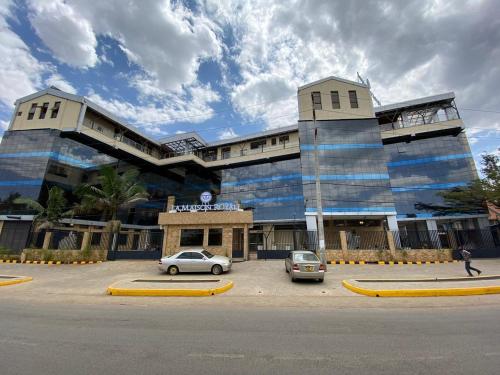
Karen and Lang'ata: green and quiet, with garden cottages and boutique lodges close to the park, the Sheldrick and the Giraffe Centre. The 3 hotels with the best real guest scores, according to top3hotels.com, are budget: La Maison Royale South C (Popo Road La Maison Royale South C, Next to Akila Police Post, score 8.2, from €58 a night); best value: PrideInn Westlands Luxury Boutique Hotel (Westlands, score 8.8, from €98 a night); luxury: Hyatt Place Nairobi Westlands (Westlands, score 9.2, from €161 a night). The nightly price is indicative and changes with the dates.
How do you get from the airport to central Nairobi?
The quickest way from Jomo Kenyatta International Airport (JKIA) into the city is by Uber or Bolt.
How do you get around Nairobi?
There is no metro and no useful tourist travel pass.
What are the must-see places in Nairobi?
According to this guide: Nairobi National Park; Sheldrick Wildlife Trust elephant orphanage; Giraffe Centre; Karen Blixen Museum; Nairobi National Museum; KICC rooftop; Karura Forest; Nairobi Railway Museum. Each one is explained in the "What to see" section.
Is Nairobi expensive?
It depends on how you travel. This guide puts the "shoestring" level at about €45-70 per person per day and the "mid-range" level at about €120-200. Flights are extra: this page shows real fares checked by Happy Low Cost.
Photo: Daniel Case · CC BY-SA 4.0 · Wikimedia Commons · Guide updated 21 Nov 2026