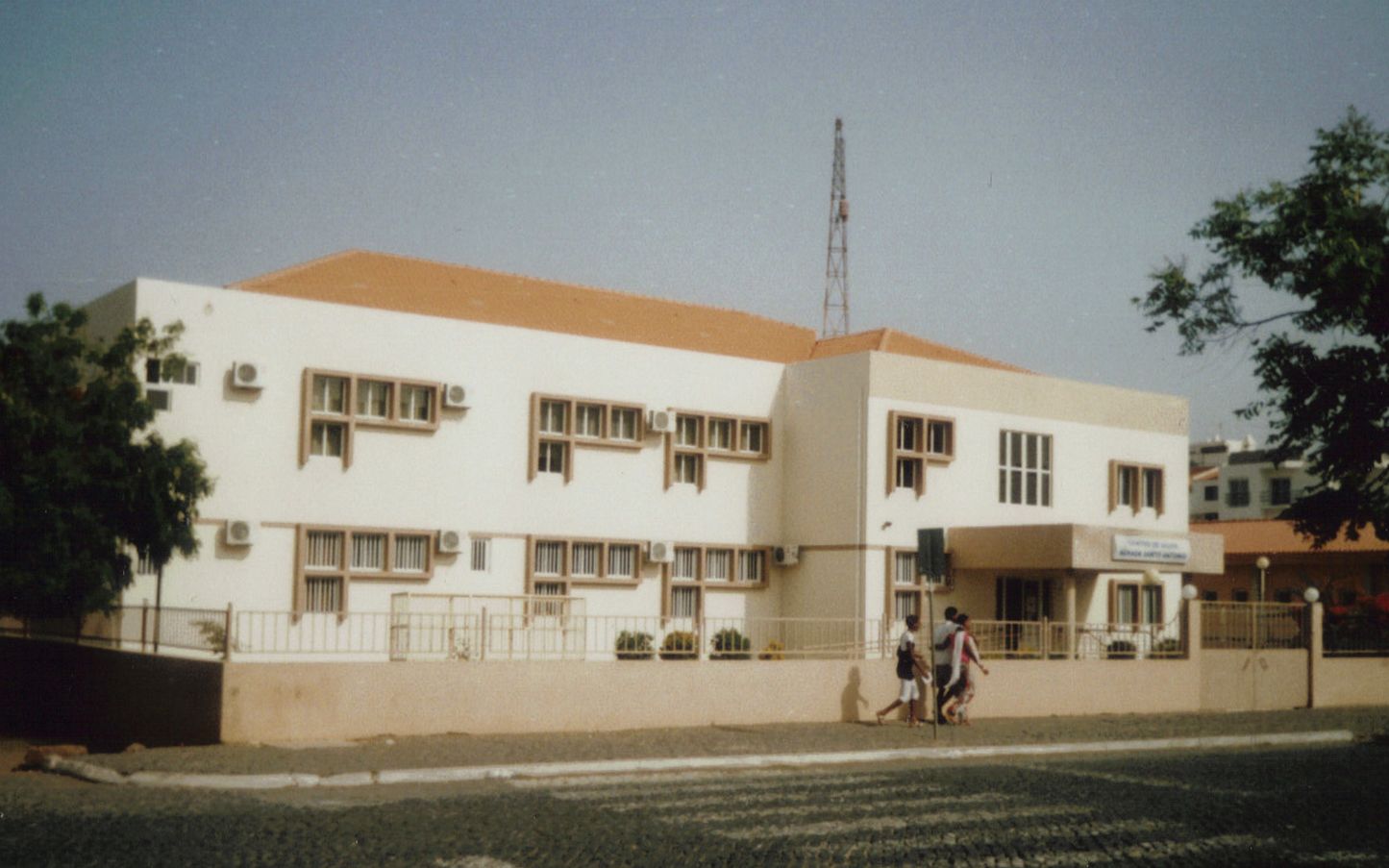
- How many days in Cape Verde
- 7 days to see the essentials of Cape Verde; the day-by-day route is below.
- Budget
- Shoestring: €45-65 a day (5,000-7,200 CVE).
- From the airport
- There are four international airports: Sal, Boa Vista, Praia (Santiago) and São Vicente.
- What to eat
- Cachupa is the national dish: a slow-cooked stew of hominy corn, beans, vegetables and fish or meat.
Cape Verde is ten volcanic islands off West Africa, and they have very little in common with each other. Sal and Boa Vista are flat, windy and full of beach resorts. São Vicente has Mindelo, the most likeable town in the country, with live music most nights. Santo Antão is green, vertical and made for hiking. Most visitors only see one all-inclusive strip on Sal. The places that make people come back are elsewhere.
It suits beach people, kitesurfers, hikers and anyone who likes slow places with good music. It does not suit people who want big sights or museums. Seven days is the right amount for a first trip: enough for Sal plus São Vicente and Santo Antão without spending half the week in airports. With only four days, pick one island pair and stay put. The currency is the Cape Verdean escudo (CVE), pegged to the euro at about 110 CVE to €1. Euros are accepted widely, but you get poor rates paying in them.
What to see in Cape Verde: the places worth your time
Mindelo (São Vicente)
Mindelo is the cultural capital: a colonial port town with pastel buildings, a curved bay and a music scene that produced Cesária Évora. Walk Rua de Lisboa, the Praça Nova and the waterfront by the Torre de Belém replica. Give it a full day plus at least one evening, because the town comes alive at night. It costs nothing to wander. Our tip: come on a Friday or Saturday, when the bars have live morna and coladeira.
Mercado Municipal and the fish market, Mindelo
The old municipal market sells fruit, grogue, spices and local cheese. The fish market by the harbour is louder and more fun, with tuna, wahoo and moray eel laid out on concrete slabs. Allow an hour for both. Entry is free. Go first thing in the morning, when the boats are in.
Monte Verde (São Vicente)
At about 750 m, Monte Verde is São Vicente's highest point. On a clear day the view takes in Mindelo bay and Santo Antão across the channel. You can drive most of the way up or walk the cobbled road, which takes 2-3 hours return from the turn-off. A taxi from Mindelo costs about €15-20 return with waiting time (1,600-2,200 CVE). Go early, because cloud often sits on the top by midday.
Cova, Paul and Ribeira do Paul (Santo Antão)
This is the classic Cape Verde hike, and the main reason to come. You start at the rim of the Cova crater, which is farmed inside, then drop about 1,000 m down a stone path into the Paul valley. The valley is all sugarcane, bananas, mango trees and terraces. The descent takes 3-4 hours and is hard on the knees. It's free if you organise transport yourself. Our tip: take an aluguer (shared minibus) from Porto Novo up to Cova, walk down, and drink a coffee at the bottom in Vila das Pombas.
Ponta do Sol to Fontainhas and Cruzinha (Santo Antão)
Ponta do Sol is a small fishing town at the northern tip of Santo Antão. From there a cliff path climbs to Fontainhas, a village stacked on a ridge that looks almost too neat to be real. Reaching Fontainhas takes about 45 minutes. The full walk on to Cruzinha takes 4-5 hours. Bring plenty of water, since there is little shade. Arrange a taxi back from Cruzinha before you set off, for about €30-40.
Pedra de Lume salt crater (Sal)
Pedra de Lume is an old salt works inside an extinct crater, reached through a tunnel. The water is so salty you float like a cork. It is the most interesting thing on Sal. Expect to pay about €5-10 including the float, and plan on 1-2 hours. Go early or late, because tour buses arrive mid-morning. Bring fresh water to rinse off, as the salt stings any small cut.
Buracona and the Blue Eye (Sal)
Buracona is a lava coast on Sal's west side with natural rock pools. Its "Olho Azul" (Blue Eye) is a cave where sunlight turns the water electric blue. Entry is about €3-5. Most people spend an hour there. The Blue Eye only works when the sun is high, so aim for around 11:00-13:00. Take the pools seriously: the waves here have swept people off the rocks.
Santa Maria beach and pier (Sal)
Santa Maria has a long white-sand beach with turquoise water, the best on Sal for swimming. It is free and you can spend days on it. The wooden pier is where fishermen land and clean the catch in the late morning, and it's worth seeing. Walk west, past the big hotels, if you want a quieter stretch of sand.
Shark Bay (Sal)
At Shark Bay you wade knee-deep and juvenile lemon sharks circle around your legs. It sounds like a gimmick, and it's better than you'd expect. It is on the east coast, near Parda, and is usually done as part of an island tour. Entry is a few euros, including water shoes. Allow 30-45 minutes. Calm mornings give the clearest water.
Praia de Santa Mónica (Boa Vista)
Santa Mónica is around 18 km of empty sand on Boa Vista's southwest coast. It is often called the best beach in the country, and that's fair. There are no services, so bring everything you need. You need a 4x4 or a tour to get there. Currents can be strong, so swim only where it is obviously calm.
Cidade Velha (Santiago)
Cidade Velha was the first European colonial town in the tropics and is now a UNESCO site. It has a pillory, a ruined cathedral and the Fortaleza Real de São Filipe on the hill above. The town is small and quiet, and the history around the slave trade here is heavy and worth reading up on beforehand. It is 20-30 minutes from Praia by aluguer, for about €1. Allow half a day; the fort charges a few euros. Go up to the fort first, then eat fish down by the bay.
Pico do Fogo and Chã das Caldeiras (Fogo)
Pico do Fogo is a 2,829 m volcano. Inside its huge caldera are villages and vineyards, rebuilt after the 2014-15 eruption buried much of them. The guided summit climb takes 5-6 hours return and is steep, loose scree. Guides cost about €40-60. Only go if you have 3 extra days, because getting to Fogo takes time. You can try the local Chã wine where it is grown.
Things to do in Cape Verde
Most of the best things to do in Cape Verde are outdoors, or happen after dark in a bar.
- Hear live morna in Mindelo. Several bars and restaurants in the centre have musicians playing most nights. A drink costs €2-3 and there is often no cover charge.
- Kitesurf or windsurf on Sal. Kite Beach on the east coast is one of the best spots in the Atlantic from November to May. Lessons cost about €60-90 an hour.
- Dive or snorkel. Sal and Boa Vista have wrecks, rays and turtles. Two dives cost about €80-100.
- Watch nesting turtles on Boa Vista or Sal from July to October. Go only with licensed conservation groups, never on a random night walk.
- Taste grogue at a trapiche. Grogue is sugarcane rum, pressed at mills (trapiches) in the Paul valley. Most give a tasting for €1-2. Pontche, the sweetened version, goes down dangerously fast.
- See whales off Boa Vista and Sal between March and May, when humpbacks come to breed.
- Swim at Baía das Gatas on São Vicente. A reef wall makes a calm natural pool. In August it hosts a big music festival.
- Join Mindelo Carnival in February. It is the best party in the country, with months of costume-making behind it.
Cape Verde for free (or almost)
Beaches are public and free throughout Cape Verde, even the ones in front of resorts. The Mindelo waterfront, Rua de Lisboa, the markets and Laginha beach (a 10-minute walk from the centre) cost nothing. The Santo Antão hikes are free if you get around by aluguer, which costs a few euros.
- Watch the fishermen at Santa Maria pier around midday.
- Catch sunset from the Mindelo seafront or from the end of Santa Maria beach.
- Listen to free live music in Mindelo bars for the price of a beer.
- Walk Ponta do Sol to Fontainhas and back.
- Browse Sucupira market in Praia, the chaotic everything-market of Santiago.
Cape Verde itinerary: 7 days
This route covers São Vicente, Santo Antão and Sal. Fly into São Vicente (or into Sal and connect with Binter Cabo Verde), and leave from Sal. If your flights run the other way, simply reverse it.
| Day | Plan |
|---|---|
| Day 1 | Mindelo. Morning: walk the centre, Praça Nova and Rua de Lisboa, then the fish market. Afternoon: swim at Laginha beach. Evening: grilled fish for dinner, then hop between live music bars in the centre. |
| Day 2 | Around São Vicente. Morning: take a taxi up Monte Verde before the clouds come in. Afternoon: swim at Baía das Gatas, or at Calhau, where you can eat lobster if the budget allows. Evening: back in Mindelo, buy your ferry ticket for the next morning. |
| Day 3 | Santo Antão, Cova to Paul. Morning: take the early ferry to Porto Novo (about 1 hour), then an aluguer up to the Cova crater. Afternoon: hike down into the Paul valley and taste grogue at a trapiche. Evening: sleep in the Paul valley or in Ponta do Sol. |
| Day 4 | Ponta do Sol, Fontainhas, Cruzinha. Morning: start the coastal walk early to beat the heat. Afternoon: finish at Cruzinha and take your pre-arranged taxi back. Evening: fresh fish by the harbour in Ponta do Sol. |
| Day 5 | Back to Mindelo and fly to Sal. Morning: take the ferry back to Mindelo. Afternoon: catch the inter-island flight to Sal and an aluguer or taxi to Santa Maria. Evening: wander the pier and the sea-facing restaurants. |
| Day 6 | Sal island loop. Morning: Pedra de Lume, before the tour buses arrive. Midday: the Blue Eye at Buracona while the sun is high. Afternoon: Shark Bay, then Kite Beach to watch the riders. Evening: cachupa and a pontche in Santa Maria. |
| Day 7 | Beach and water. Morning: snorkel, dive or take a kite lesson. Afternoon: a long, slow walk west along Santa Maria beach. Evening: catch your flight, or squeeze in one last sunset on the pier. |
What is overrated (and what to do instead)
- Spending a whole week on Sal. Santa Maria is pleasant, but after two days it is resorts and souvenir shops. Swap three days for São Vicente and Santo Antão.
- Quad tours across the Boa Vista or Sal desert. They are pricey (often €60+), dusty and loud. A 4x4 trip to Santa Mónica or a hike sees more.
- The all-inclusive bubble. Resort food is bland, and you'll never taste a proper cachupa. Book half-board at most and eat out in town.
- Praia as a destination. The capital is a working city, not a looker. Use it as a base for Cidade Velha and Tarrafal, and don't plan days in town.
When to visit Cape Verde
Cape Verde is warm all year, with temperatures of about 24-30°C. The dry season runs from November to June. Expect strong trade winds from December to April, which is great for kitesurfing and less great for lying on the beach. Saharan dust (the harmattan) can haze the sky in winter.
August to October is the short rainy season, though it often barely rains. Santo Antão turns green at this time, and some hiking trails get slippery. Christmas, New Year, February Carnival and European school holidays are the busiest and most expensive times. May, June and late October are quieter and cheaper, and still sunny.
Where to stay in Cape Verde: best areas
- Santa Maria, Sal: for beaches, kitesurfing and easy logistics. Guesthouses cost €40-70 a night, mid-range hotels €80-150, resorts more.
- Central Mindelo, São Vicente: for music, food and atmosphere. Guesthouses cost €35-60 a night, boutique hotels €70-110.
- Ponta do Sol, Santo Antão: for hikers who want a sea view and a few restaurants. Expect €35-70 a night.
- Paul valley, Santo Antão: for rural guesthouses among the mango trees, often with dinner included, at about €40-70 a night.
- Sal Rei, Boa Vista: for a cheaper, more local base than the resorts. Expect €40-80 a night.
What to eat in Cape Verde
Cachupa is the national dish: a slow-cooked stew of hominy corn, beans, vegetables and fish or meat. Order cachupa refogada for breakfast. It's yesterday's cachupa fried up with an egg and sausage, and it's better than the original. Fresh fish is everywhere. Look for grilled tuna, wahoo (serra) and garoupa, usually served with rice, chips and salad.
- Buzio: sea snail stew.
- Lagosta: lobster, cheaper than in Europe but still €25-40.
- Queijo de cabra: fresh goat's cheese, often eaten with papaya jam.
- Pastel com diabo dentro: a fried tuna pastry, spicy.
- Grogue and pontche: sugarcane rum and its sweet cousin.
- Strela: the local beer.
A local lunch prato do dia costs about €5-8 (550-900 CVE). Dinner with fish and a drink at a mid-range place costs €15-25. Avoid the "international" menus along Santa Maria's main drag, where you pay double for frozen food. Walk one street back.
Airport to city centre and getting around
There are four international airports: Sal, Boa Vista, Praia (Santiago) and São Vicente.
- Sal airport to Santa Maria takes about 20 minutes. Taxis charge roughly €15-20 (1,600-2,200 CVE). An aluguer via Espargos costs about €1-2 but is slower.
- Boa Vista airport to Sal Rei takes 10-15 minutes, at €10-15 by taxi.
- Praia airport to the Plateau takes 15 minutes, at about €8-10 by taxi.
- São Vicente airport to Mindelo takes 15-20 minutes, at about €10-12 by taxi.
On the islands, aluguers (shared minibuses and pickups) are the cheap way around. They leave when full and cost €1-5. There are no travel passes. Between islands, Binter Cabo Verde flies the main routes for about €60-120 one way. CV Interilhas runs the ferries. The Mindelo to Porto Novo crossing takes about an hour and costs around €10, and it can be rough, so take seasickness tablets.
How much a trip to Cape Verde costs
- Shoestring: €45-65 a day (5,000-7,200 CVE). That covers a guesthouse room, local lunches, aluguers and free beaches and hikes.
- Mid-range: €100-160 a day. That covers a good hotel, restaurant dinners, taxis and one paid activity.
- Extras to budget for: €200-300 for inter-island flights and ferries over a week, plus the airport security tax for visa-exempt visitors (about €31, paid online in advance).
Day trips from Cape Verde
In practice, "day trips" here mean trips between islands or into the countryside. These are the ones that work.
- Mindelo to Santo Antão: take the first ferry and hire a driver for the Estrada da Corda mountain road and Cova. You're back on the evening boat, but it's a long day, so two days is better.
- Praia to Cidade Velha: 20-30 minutes by aluguer, half a day.
- Praia to Tarrafal: about 2 hours across Santiago, past Serra Malagueta, to a calm beach and the former Tarrafal prison camp museum. It's a full day.
- Sal to Boa Vista: a short flight or a boat trip. It's only worth it if you stay the night.
- Santa Maria to Pedra de Lume and Buracona: a half-day taxi or tour loop, about €40-60 for a car.
Common mistakes and scams
- Underestimating inter-island travel. Flights get delayed and ferries get cancelled in bad seas. Never plan a connection to your international flight on the same day.
- Paying in euros everywhere. Many places round 100 CVE to €1, so you lose about 10%. Withdraw escudos from ATMs instead.
- Agreeing a taxi fare after the ride. Fix the price before you get in.
- Street sellers on Sal and Boa Vista. They are mostly mainland African traders, pushy but harmless. Say no firmly and keep walking.
- Leaving bags on the beach. Petty theft happens, especially on Santa Maria beach and in Praia.
- Ignoring the sea. Currents and shore breaks are strong on many beaches. If no locals are swimming, don't.
- Forgetting the airport tax pre-registration. Do it online before you fly.
Cape Verde FAQ
How many days do you need in Cape Verde?
Seven days is ideal for two or three islands. Four days works if you stick to one island, or to the São Vicente and Santo Antão pair.
Which Cape Verde island is best for a first trip?
Sal is the easiest for beaches and flights. São Vicente and Santo Antão are better for culture and hiking. Combine them if you can.
Is Cape Verde safe for tourists?
Yes, it is one of the safest countries in Africa. Petty theft is the main risk, mostly in Praia and on busy beaches.
Do I need a visa for Cape Verde?
EU, UK, US and several other nationalities are visa-exempt for short stays. You must still pre-register and pay the airport security tax (about €31) online before arrival.
Is Cape Verde expensive?
It is cheaper than southern Europe for food and local transport. Resorts, lobster and inter-island flights push the cost up.
What is the best month to visit Cape Verde?
May, June and late October offer sunshine, fewer crowds and lower prices. Kitesurfers should go from December to April.
Can you swim in Cape Verde all year?
Yes. The water ranges from about 21°C in winter to 26°C in late summer. Santa Maria on Sal has the calmest swimming.
How do you get between Cape Verde islands?
Binter Cabo Verde flies between the main islands. CV Interilhas ferries run shorter hops such as Mindelo to Porto Novo on Santo Antão.
Is Cape Verde worth visiting?
For the traveller who wrote this guide, yes: Cape Verde is ten volcanic islands off West Africa, and they have very little in common with each other. 7 days are enough for the essentials. Budget: Shoestring: €45-65 a day (5,000-7,200 CVE).
What to see in Cape Verde in one day?
If you only have one day, follow day 1 of this itinerary: Mindelo. Morning: walk the centre, Praça Nova and Rua de Lisboa, then the fish market.
What to see in Cape Verde in two days?
With two days, follow days 1 and 2 of this itinerary. Day 1: Mindelo. Morning: walk the centre, Praça Nova and Rua de Lisboa, then the fish market. Day 2: Around São Vicente. Morning: take a taxi up Monte Verde before the clouds come in.
What to do in Cape Verde in 7 days?
With seven days in Cape Verde, this is the guide's route: Day 1, Mindelo; Day 2, Around São Vicente; Day 3, Santo Antão, Cova to Paul; Day 4, Ponta do Sol, Fontainhas, Cruzinha; Day 5, Back to Mindelo and fly to Sal; Day 6, Sal island loop; Day 7, Beach and water. The table above has the full plan for each day.
What to eat in Cape Verde?
Cachupa is the national dish: a slow-cooked stew of hominy corn, beans, vegetables and fish or meat.
How do you get from the airport to central Cape Verde?
There are four international airports: Sal, Boa Vista, Praia (Santiago) and São Vicente.
What are the must-see places in Cape Verde?
According to this guide: Mindelo (São Vicente); Mercado Municipal and the fish market, Mindelo; Monte Verde (São Vicente); Cova, Paul and Ribeira do Paul (Santo Antão); Ponta do Sol to Fontainhas and Cruzinha (Santo Antão); Pedra de Lume salt crater (Sal); Buracona and the Blue Eye (Sal); Santa Maria beach and pier (Sal). Each one is explained in the "What to see" section.
Photo: Wikipedia · · Wikimedia Commons · Guide updated 21 Nov 2026