- How many days in Santo Domingo
- 3 days to see the essentials of Santo Domingo; the day-by-day route is below.
- Budget
- Extras: airport taxi €35-45 each way, Saona Island tour €60-100, baseball ticket from €5-10.
- From the airport
- Las Américas International Airport (SDQ) is about 30 km east of the centre, 30-45 minutes by car without traffic.
- Where to stay
- This leafy, older residential area just west of the Zona is quieter, more local and cheaper, at €30-60 a night.
- What to eat
- Presidente beer (ask for it "vestida de novia", ice-cold), morir soñando (orange juice and milk, better than it sounds) and mamajuana, rum steeped in bark and herbs, which you only need to try once.
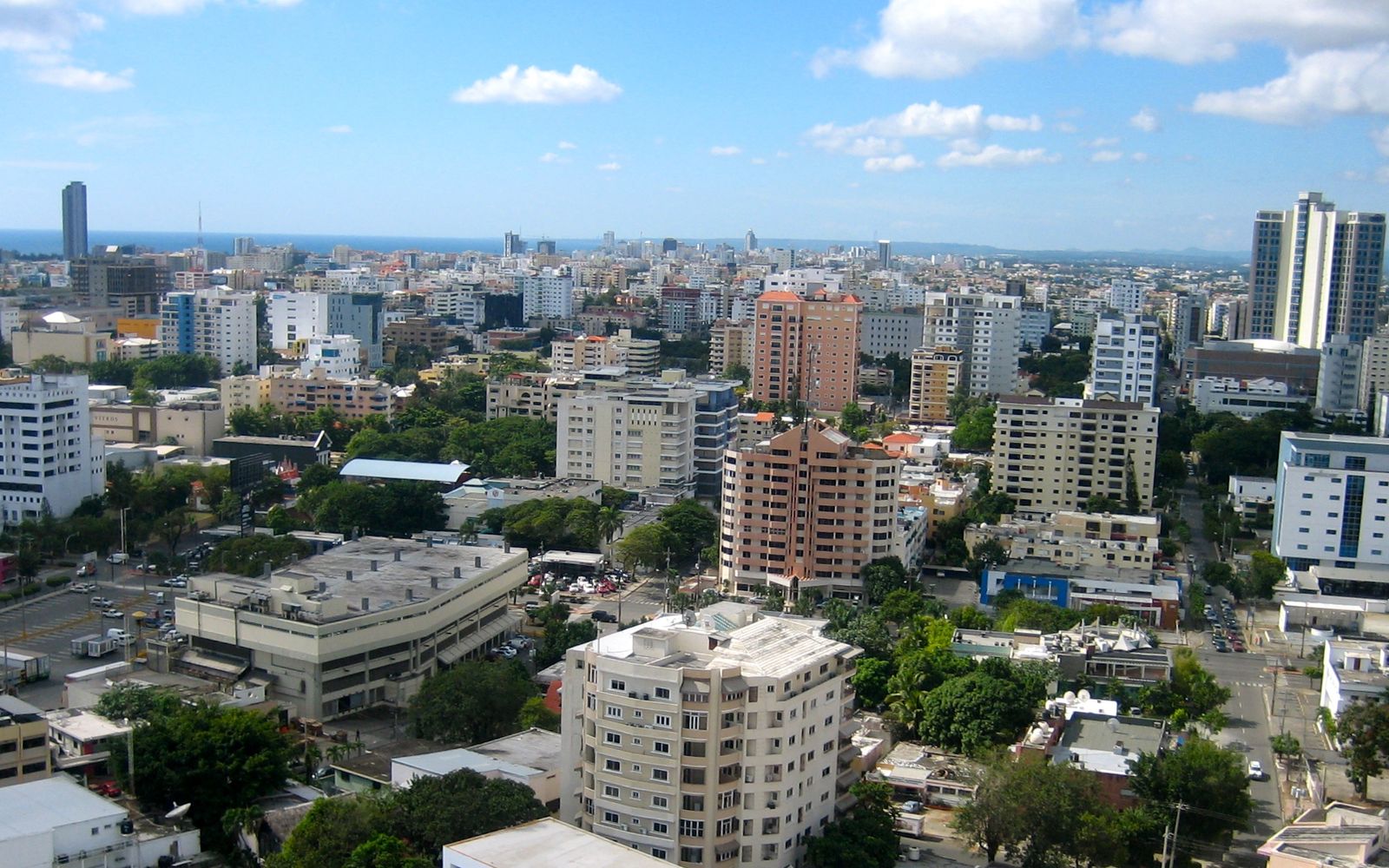
Santo Domingo is not a beach town, and it does not try to be one. It's a loud, hot, traffic-jammed Caribbean capital of over three million people, wrapped around the oldest European-built city in the Americas. The Zona Colonial is the part most visitors see: cobbled streets, 16th-century stone, plazas full of domino players and bars spilling merengue onto the pavement. Step outside it and you get the real city, with its car horns, motorbike taxis, malls and the long seafront Malecón.
It suits people who like history, food, music and a bit of chaos more than people who want a sunbed. Three days is the right amount. That gives you two days for the colonial centre and the caves, plus a beach day trip so you don't leave without seeing the sea up close. If you're connecting to Punta Cana or Samaná, even one night in the Zona Colonial beats another day in a resort buffet queue.
What to see in Santo Domingo: the places worth your time
Zona Colonial and Calle El Conde
The UNESCO-listed old town is where you'll spend most of your time, and Calle El Conde is its pedestrian spine. It runs from Parque Colón west to the Puerta del Conde. The street itself is a mix of colonial facades, cheap clothes shops and cafés. Walking it is free and takes 20 minutes, but give the whole Zona a full day. Our tip: walk the side streets (Arzobispo Meriño, Hostos, Isabel la Católica) rather than El Conde itself, which is the most commercial stretch.
Catedral Primada de América
Finished in the 1540s, this is the oldest cathedral in the Americas, a chunky coral-stone Gothic-Renaissance building on Parque Colón. Inside it's cool, dark and calmer than you'd expect. Allow 30-45 minutes. Entry is a few euros (around RD$100-200, €2-3) with an audio guide. Cover shoulders and knees or you'll be handed a wrap at the door.
Calle Las Damas
This is the first paved street in the Americas, lined with stone houses, the old Jesuit church that now holds the Panteón de la Patria, and the Hostal Nicolás de Ovando hotel. It's short (a 10-minute stroll), free and best early morning before tour groups arrive from the cruise port. The Panteón has soldiers on guard and free entry. Dress modestly and keep your voice down.
Fortaleza Ozama
The oldest European military fort in the Americas sits at the end of Las Damas, overlooking the Ozama River. The main reason to go is the Torre del Homenaje: climb it for the best view over the river mouth and the old town rooftops. Budget 45 minutes and about €2-3 (RD$100-200). Go in the morning. Midday on those stone walls is brutal.
Alcázar de Colón and Plaza España
The palace of Diego Columbus (Christopher's son) faces the wide Plaza España, and the arcaded facade is more impressive than the interior. Inside you'll find restored rooms with period furniture. It's worth about an hour and €3-5 if you like that sort of thing. The plaza itself is free and turns into a terrace scene at sunset, when the stone glows and the bars fill up.
Museo de las Casas Reales
Right next to Plaza España, this was the seat of Spanish colonial administration and is the best museum in the Zona for understanding how the colony worked. Expect maps, weapons, a sundial outside and a decent overview of the Taíno-to-Spanish story. Allow about an hour for €2-4. Check the hours before going, as restorations close sections at times.
Ruinas del Monasterio de San Francisco
These are the roofless ruins of the first monastery in the Americas, on a small hill at the north end of the Zona. By day they're atmospheric and free to look at from outside. The main reason to come is Sunday evening, when the band Grupo Bonyé plays son and merengue among the walls and half the city dances. More on that below.
Parque Colón
The main square has the Columbus statue, the cathedral as a backdrop, and pigeons, shoeshiners and touts in equal measure. It's free, and sitting with a coffee for 20 minutes is a decent way to watch the city. This is also where self-appointed "guides" hunt, so a polite "no, gracias" and walking on works fine.
Los Tres Ojos
Los Tres Ojos is a set of limestone caves with turquoise freshwater lagoons, in Parque Nacional Mirador del Este, just across the Ozama River in Santo Domingo Este. It's a 15-25 minute ride from the Zona and the most memorable sight in the city. Entry for foreigners is about €2-4, plus a few pesos for the little rope-pulled raft to the fourth lake. Allow 1-1.5 hours, and go early on a weekday to avoid school groups.
Faro a Colón
This enormous cross-shaped concrete monument near Los Tres Ojos supposedly contains Columbus's remains (Seville disputes this). The scale is odd and fascinating, and the light beams it was built to project are rarely switched on. Combine it with the caves: allow 45 minutes and about €2. Read the overrated section before you commit.
Malecón (Avenida George Washington)
The seafront boulevard runs west from the Zona for several kilometres along a rocky shore, with no beach. It's free. Walk or ride it late afternoon, when the heat drops and families come out. The stretch near the Obelisco Macho and the big hotels is the liveliest.
Jardín Botánico Nacional
This is a big, green, well-kept botanical garden in the north of the city, with a Japanese garden, a palm collection and a little tourist train. It's a good escape from traffic noise. Allow 1.5-2 hours. Entry is about €3-5, and the train costs a little extra and is worth it in the heat. It's a 20-30 minute Uber from the Zona.
Plaza de la Cultura
This cultural complex on Avenida Máximo Gómez holds the Museo de Arte Moderno and the Museo del Hombre Dominicano, which has the best Taíno collection in the country. Each museum costs a couple of euros and needs about an hour. Go if it rains or if you want more than colonial history.
Things to do in Santo Domingo
The best memories here usually come from the music, the food and sitting still for a while. These are the ideas we'd prioritise.
- Dance at the Sunday Bonyé session. At the San Francisco ruins from early evening, locals of all ages dance son and bolero to a live band. Entry is free or a token fee, and the beers are cheap.
- Take a merengue or bachata class. Several studios in the Zona run one-hour classes for about €15-25. Do it on day one and you'll use it all trip.
- Watch a baseball game. Winter league season runs roughly October to January. Tigres del Licey and Leones del Escogido share Estadio Quisqueya, and tickets start around €5-10. The atmosphere is half sport, half street party.
- Have a cigar and rum tasting. The Zona has proper cigar shops where you can watch rolling. Buy from a real shop, never from someone on the street.
- Join the colmado culture. These corner shops double as bars, with plastic chairs, a cold Presidente and music too loud for conversation. Gazcue and the edges of the Zona have plenty.
- Ride the Teleférico. The cable car over the north of the city costs about the same as a metro ticket and gives you a view of neighbourhoods tourists never see. Go in daylight and stay on it.
- Do a chocolate or larimar workshop. Cacao is a big Dominican export. Small museum-shops on Arzobispo Meriño run short tastings, and they're fine for a hot afternoon.
Santo Domingo for free (or almost)
A surprising amount of the city costs nothing.
- Walking the Zona Colonial: Calle Las Damas, Parque Colón, Plaza España and the San Francisco ruins.
- The Panteón de la Patria, with free entry and a changing of the guard.
- Sunset on the Malecón, plus the Sunday Bonyé session.
- Parque Independencia and the Puerta del Conde, where independence was declared in 1844.
- Parque Mirador Sur, a long park on a cliff west of the centre. Some lanes close to cars on certain mornings for joggers and cyclists.
- Los Tres Ojos and Faro a Colón are "almost free", at a few euros each.
- The metro, at well under €1 per ride.
Santo Domingo itinerary: 3 days
| Day | Morning | Afternoon | Evening |
|---|---|---|---|
| Day 1 Zona Colonial | Start at Parque Colón and the cathedral, then walk down Calle Las Damas past the Panteón to Fortaleza Ozama for the tower view. | After lunch, visit the Museo de las Casas Reales and the Alcázar de Colón, then rest in the heat. | Have drinks on Plaza España at sunset, dinner in the Zona, then a walk up to the San Francisco ruins (if it's Sunday, swap this day with another to catch Bonyé). |
| Day 2 Caves, Malecón and the modern city | Take an Uber early to Los Tres Ojos, then Faro a Colón next door. | Head back west for Plaza de la Cultura or the Jardín Botánico, depending on your taste. | Walk the Malecón at sunset, eat mofongo at a seafront spot, then grab a beer at a colmado in Gazcue. |
| Day 3 Beach day | Take a guagua or Uber to Boca Chica or Juan Dolio and get there before 10am for shade. | Have fried fish, tostones and a swim, then head back by 4pm to beat traffic. | Finish with a last dinner in the Zona and a bachata class or live music bar. |
What is overrated (and what to do instead)
- Faro a Colón. It's impressive from a distance and a bit dead inside. Only go if you're already at Los Tres Ojos. If you're short on time, skip it and spend longer in the caves.
- Mercado Modelo. The old market on Avenida Mella is often sold as authentic. In practice it's mostly souvenir hustle with aggressive prices. For real market life and cheaper prices, a supermarket or a colmado tells you more.
- Boca Chica on a Sunday. The beach is calm and close, but on weekends it's packed, loud and full of vendors. Go on a weekday or carry on to Juan Dolio.
- Eating only on El Conde. The terraces facing the main tourist drag charge more for average food. Walk two blocks into Gazcue or the quieter Zona streets and you'll eat better for less.
When to visit Santo Domingo
December to April is the best time to visit: drier, slightly less humid, with highs around 28-30°C. This is also peak season, so flights and Zona hotels cost more, especially around Christmas and Easter. Weekends in February bring Carnival parades, with the big finale on the Malecón around independence day (27 February).
May to November is hotter and wetter, with short heavy downpours rather than all-day rain. Hurricane season runs June to November, with the highest risk in August-October. That's when it's cheapest and quietest, but get flexible bookings and travel insurance. Our pick is late April-May or November: decent weather, lower prices and fewer cruise crowds.
Where to stay in Santo Domingo: best areas
- Zona Colonial. Best for first-timers who want to walk everywhere and have atmosphere at the door. It ranges from boutique hotels in colonial houses to simple guesthouses. Expect €40-70 a night mid-range and €120+ for the nicest. Weekend nights can be noisy near the bars.
- Gazcue. This leafy, older residential area just west of the Zona is quieter, more local and cheaper, at €30-60 a night. It's a 10-20 minute walk to the old town and close to the Malecón.
- The Malecón. Big chain hotels with sea views and pools, from €80-150. Good for families or if you want a pool after a sweaty day. You'll need taxis for almost everything.
- Piantini and Naco. The modern business district has malls, smart restaurants and nightlife. Hotels run €70-150. It suits repeat visitors and business travellers, but it lacks character for a first trip.
What to eat in Santo Domingo
Dominican food is filling, comforting and not spicy. Lunch is the main meal, and that's when the cheap set plates are best.
- La bandera. This is the national lunch: rice, red beans and stewed chicken or beef, often with salad and tostones. At a local comedor it costs €4-7 (RD$250-450).
- Mangú con los tres golpes. Mashed green plantain with pickled red onion, fried salami, fried cheese and egg. It's a breakfast classic.
- Sancocho. A thick meat and root-vegetable stew. Order it on a rainy day or a Sunday.
- Mofongo. Mashed fried plantain with garlic and pork crackling, often stuffed with shrimp or chicken. Adrian Tropical on the Malecón is the tourist-friendly classic.
- Chicharrón and pescado frito. The beach towns do fried fish with tostones best.
- Drinks. Presidente beer (ask for it "vestida de novia", ice-cold), morir soñando (orange juice and milk, better than it sounds) and mamajuana, rum steeped in bark and herbs, which you only need to try once.
A local lunch costs €5-8. A sit-down dinner with a drink in the Zona runs €15-30 per person, and smarter places in Piantini charge €35+. Restaurants add 18% tax plus a 10% service charge on the bill. Tipping a little extra for good service is normal but not required.
Airport to city centre and getting around
Las Américas International Airport (SDQ) is about 30 km east of the centre, 30-45 minutes by car without traffic. Your options:
- Official airport taxi: fixed rates, around US$40-50 (€35-45) to the Zona Colonial. Confirm the price before getting in.
- Uber or DiDi: usually €20-30. Pickup at the terminal can be awkward, so message the driver and be ready to walk to the car park.
- Hotel transfer: often €30-40, which is handy if you land at night.
There's no practical public transport from the airport for visitors with luggage.
Within the city, the Zona is walkable, and Uber is the easiest way to go further. Most trips cost €3-8. The metro has two lines (Line 1 north-south, Line 2 east-west) and costs about RD$20-35 per ride on a rechargeable card bought at stations. It's clean and fast, but it doesn't reach the Zona directly. Guaguas (minibuses) and carros públicos (shared cars on fixed routes) are very cheap but confusing at first. Motoconchos (motorbike taxis) are cheap and risky, so wear a helmet or skip them.
How much a trip to Santo Domingo costs
| Level | Per person per day | What it covers |
|---|---|---|
| Shoestring | €40-55 a day | Hostel bed or basic room (€15-25), comedor lunches, street snacks, metro and guaguas, free sights and one paid museum. |
| Mid-range | €90-140 a day | Boutique room in the Zona or Gazcue (€50-80), sit-down dinners, Uber everywhere, a class or tour, a few rums. |
- Extras: airport taxi €35-45 each way, Saona Island tour €60-100, baseball ticket from €5-10.
Pay in pesos where you can, since dollar prices are usually rounded in the seller's favour. At the time of writing, €1 buys roughly RD$65-70.
Day trips from Santo Domingo
- Boca Chica. A shallow, calm lagoon beach 30-40 minutes east by guagua (from near Parque Enriquillo) or Uber. It's the easy option, but go on a weekday.
- Juan Dolio. About 1 hour east, past Boca Chica. It's quieter, with a longer beach and fewer vendors.
- Altos de Chavón and La Romana. A recreated Mediterranean village above the Chavón River, about 1.5-2 hours east by car or bus to La Romana plus a taxi. It's pretty and staged, but the river views are real. Pair it with the Cueva de las Maravillas, a cave with Taíno drawings on the way.
- Isla Saona. White sand and shallow sandbanks, reached by boat from Bayahibe (2-2.5 hours from Santo Domingo). It's a very long day as a tour from the capital (€60-100), so better done with a night in Bayahibe.
Common mistakes and scams
- Unofficial guides in Parque Colón and Plaza España start chatting and then demand payment. Book a guide through your hotel or a licensed company.
- Street money changers use bad rates and sleight of hand. Use bank ATMs inside banks or malls and decline the "conversion in euros" option.
- Fake larimar and amber are common. Buy from established shops, and remember that real larimar isn't cheap.
- Street cigars are often fakes or leftovers. Buy from proper tobacconists.
- Phone snatching from motorbikes happens. Don't walk along the kerb holding your phone out, especially on the Malecón at night.
- Taxis without an agreed price lead to arguments. Agree the fare first or use Uber.
- Underestimating the heat catches people out. Plan indoor time from 1pm to 4pm and carry water.
Santo Domingo FAQ
How many days do you need in Santo Domingo?
Three days is ideal: two for the Zona Colonial, Los Tres Ojos and the Malecón, and one for a beach trip. With one day, stick to the Zona Colonial.
Is Santo Domingo safe for tourists?
The Zona Colonial, Gazcue, the Malecón and Piantini are generally fine with normal city sense. Petty theft is the main risk. Use Uber at night and avoid flashing phones or jewellery.
Does Santo Domingo have a beach?
Not really. The city faces a rocky shore along the Malecón. The nearest good beach is Boca Chica, 30-40 minutes east.
Should I use dollars or pesos in Santo Domingo?
Use Dominican pesos for most things, as you'll get better prices. US dollars are accepted in tourist spots and for airport taxis. Euros are less useful.
Is Uber available in Santo Domingo?
Yes. Uber and DiDi work across the city and are usually the cheapest and safest way to get around beyond walking distance.
What is the best area to stay in Santo Domingo?
For a first visit, the Zona Colonial, because you can walk to nearly every main sight. Gazcue is the cheaper, quieter alternative next door.
Is Santo Domingo worth visiting compared with Punta Cana?
For culture, food and music, yes, as Santo Domingo is the country's real capital. For pure beach time, Punta Cana wins, so many people do two or three nights in each.
What to see in Santo Domingo in one day?
If you only have one day, follow day 1 of this itinerary: Zona Colonial. Morning: Start at Parque Colón and the cathedral, then walk down Calle Las Damas past the Panteón to Fortaleza Ozama for the tower view.
What to see in Santo Domingo in two days?
With two days, follow days 1 and 2 of this itinerary. Day 1: Zona Colonial. Morning: Start at Parque Colón and the cathedral, then walk down Calle Las Damas past the Panteón to Fortaleza Ozama for the tower view. Day 2: Caves, Malecón and the modern city. Morning: Take an Uber early to Los Tres Ojos, then Faro a Colón next door.
What to do in Santo Domingo in 3 days?
With three days in Santo Domingo, this is the guide's route: Day 1, Zona Colonial; Day 2, Caves, Malecón and the modern city; Day 3, Beach day. The table above has the full plan for each day.
Where to stay in Santo Domingo?
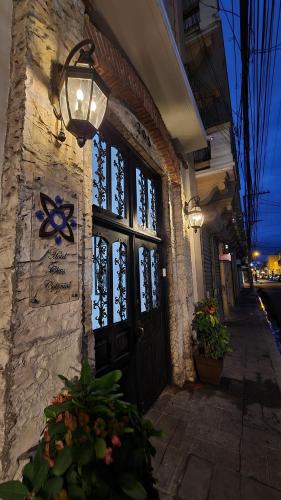
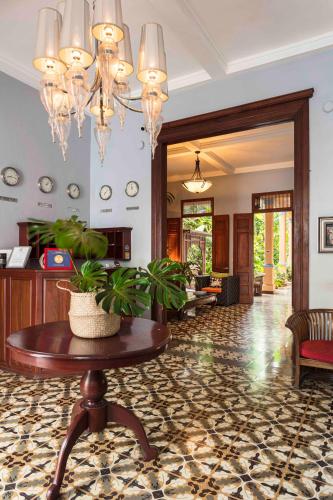
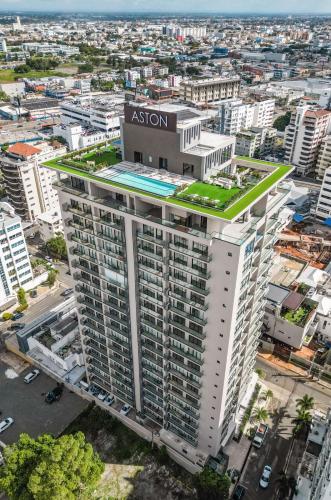
This leafy, older residential area just west of the Zona is quieter, more local and cheaper, at €30-60 a night. The 3 hotels with the best real guest scores, according to top3hotels.com, are budget: Hotel Class Colonial (Colonial Zone, score 8.6, from €56 a night); best value: Hotel Villa Colonial (Colonial Zone, score 9.5, from €179 a night); luxury: Aston Rubi City Suites (Downtown Santo Domingo, score 9, from €95 a night). The nightly price is indicative and changes with the dates.
What to eat in Santo Domingo?
Presidente beer (ask for it "vestida de novia", ice-cold), morir soñando (orange juice and milk, better than it sounds) and mamajuana, rum steeped in bark and herbs, which you only need to try once.
How do you get from the airport to central Santo Domingo?
Las Américas International Airport (SDQ) is about 30 km east of the centre, 30-45 minutes by car without traffic.
How do you get around Santo Domingo?
Pickup at the terminal can be awkward, so message the driver and be ready to walk to the car park.
What are the must-see places in Santo Domingo?
According to this guide: Zona Colonial and Calle El Conde; Catedral Primada de América; Calle Las Damas; Fortaleza Ozama; Alcázar de Colón and Plaza España; Museo de las Casas Reales; Ruinas del Monasterio de San Francisco; Parque Colón. Each one is explained in the "What to see" section.
Is Santo Domingo expensive?
It depends on how you travel. This guide puts the "shoestring" level at about €40-55 per person per day and the "mid-range" level at about €90-140. Flights are extra: this page shows real fares checked by Happy Low Cost.
Photo: Wikipedia · · Wikimedia Commons · Guide updated 21 Nov 2026