- How many days in Sao Paulo
- 4 days to see the essentials of Sao Paulo; the day-by-day route is below.
- From the airport
- Airport Bus Service: coaches to Paulista, Tietê and other hubs, about R$45-50 (€8), 1-1.5 hours.
- Where to stay
- Itaim Bibi and Vila Olímpia: polished business district with top restaurants.
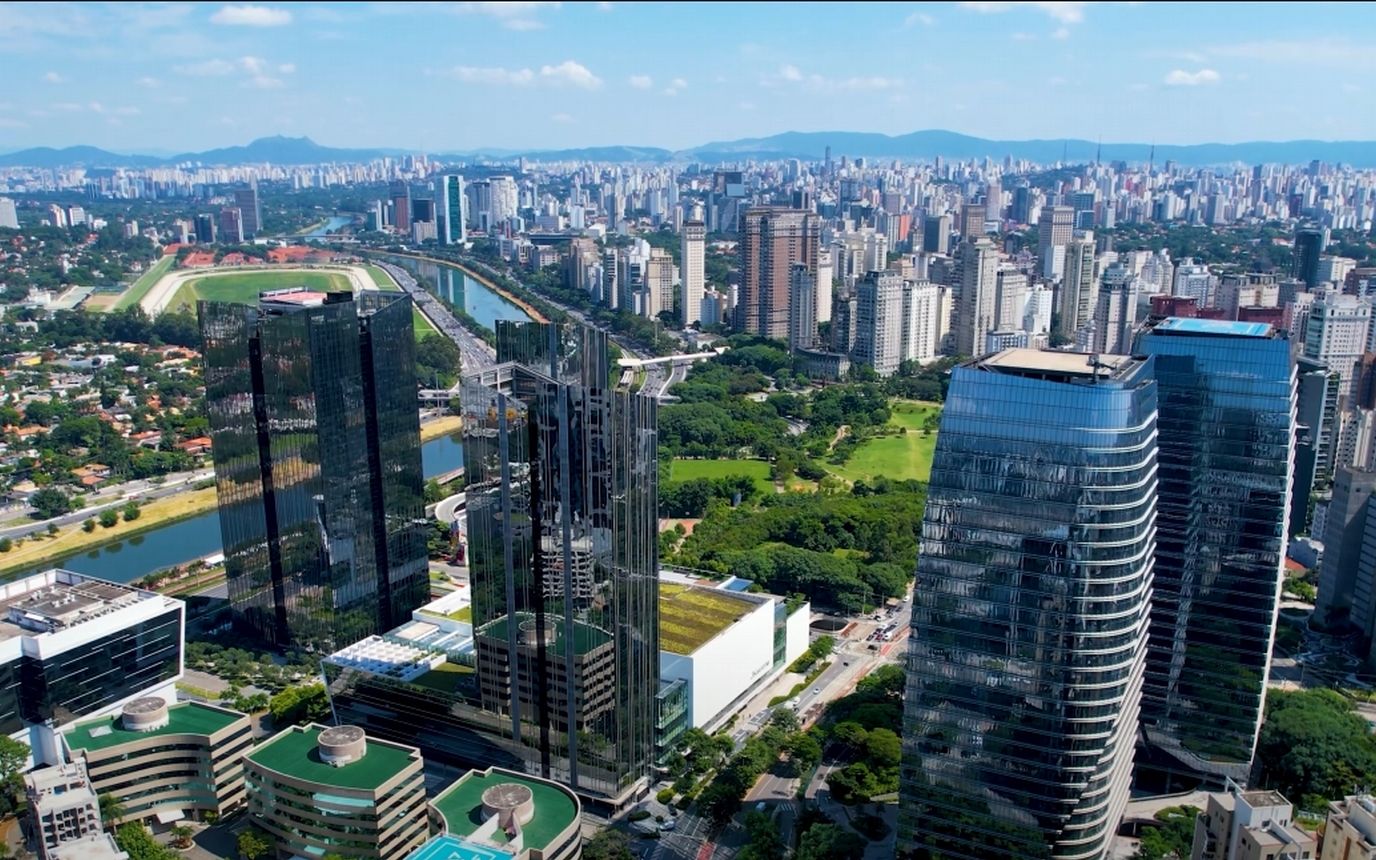
Sao Paulo is not pretty at first sight. It is a grey sprawl of 12 million people (over 20 million in the metro area), with traffic that has its own weather system and a skyline that runs to the horizon in every direction. What it does have is the best food in South America, a museum and gallery scene that puts most European capitals on notice, and a nightlife that starts late and runs on caipirinhas and cold Brahma. If you come for beaches, go to Rio. If you come to eat, drink, look at art and watch a city work, this is the place.
It suits food lovers, design and architecture fans, people who like big cities and anyone with a cheap fare into Guarulhos who wants more than a layover. We think 4 days is the right amount: two for the centre and Avenida Paulista, one for Ibirapuera and the west side (Vila Madalena and Pinheiros), and one for Liberdade, football or a day trip to the coast. Fewer than three and you spend half the trip in traffic.
What to see in Sao Paulo: the places worth your time
MASP (Museu de Arte de São Paulo)
The red concrete box on Avenida Paulista, held up by four pillars over an open plaza, is the city's most important art museum and a building worth the trip on its own. Lina Bo Bardi's glass easels display Raphael, Van Gogh, Renoir and Brazilian painters such as Portinari in one open room, as if the paintings were floating. Allow 2 hours. Tickets run about R$75 (around €12), but entry is free on Tuesdays: book the free slot online ahead because it fills up. Metro: Trianon-Masp, Line 2-Green.
Avenida Paulista
The city's spine: 3 km of banks, cultural centres, bookshops and street musicians along a ridge. Walk from Consolação to Paraíso and drop into Instituto Moreira Salles (free photography exhibitions) and Japan House (free, beautifully designed). Our tip: come on a Sunday, when the avenue closes to cars and fills with cyclists, skaters, bands and families. It is the best free show in town.
Ibirapuera Park
Sao Paulo's Central Park, with Oscar Niemeyer buildings scattered among the lakes and lawns: the Oca dome, the Bienal pavilion (home of the São Paulo Bienal, held in even years, so 2026 is one) and the long curving marquise where skaters practise. The park is free; the Museu Afro Brasil and MAM (modern art museum) inside charge a few euros. Give it a half day. There is no metro at the door, so take an Uber (about R$20-30 from Paulista) or rent a bike inside.
Pinacoteca de São Paulo
Our pick for the best museum in the city. Brazilian art from the colonial era to today sits in a red-brick 19th-century building next to Jardim da Luz, renovated with walkways crossing an open atrium. About R$30 (€5), free on Saturdays. Allow 2 hours, and cross the street to Pina Contemporânea, its newer annex. Metro: Luz. Go in daylight and leave before dark; the area around Luz gets rough.
Mercado Municipal (Mercadão)
The 1930s market hall with stained-glass windows is where everyone goes for the famous mortadella sandwich, a mountain of thin-sliced meat in bread, and the pastel de bacalhau (salt-cod pastry). Expect R$50-70 (€8-11) for the sandwich, enough for two. Go mid-morning on a weekday to avoid the weekend crush. Walk from São Bento metro (Line 1-Blue) in 10 minutes, and read our scams section before you go near the fruit stalls.
Farol Santander
The old Banespa tower, modelled loosely on the Empire State Building, now holds art exhibitions and an observation deck near the top. The 360° view over the historic centre is the best way to grasp the scale of the city. About €6-8 (R$40-50). Allow an hour. It is a short walk from São Bento metro, so pair it with the Mercadão.
Historic centre: Sé, Pátio do Colégio and Theatro Municipal
The city was founded in 1554 at Pátio do Colégio, a small Jesuit complex now rebuilt as a museum. A few minutes away stands the neo-Gothic Catedral da Sé, then the Theatro Municipal, an ornate opera house with guided tours that are cheap or free (check the schedule). Give the whole area 2-3 hours. It is busy and fine by day; stay alert, keep your phone in your pocket and do not linger after dark.
Edifício Copan and Edifício Itália
Two icons of Paulistano modernism stand a block apart near Praça da República. Copan is Niemeyer's wavy residential block, home to thousands of people, with cafés and bars on its ground floor gallery. Edifício Itália, once the city's tallest, has the Terraço Itália restaurant and bar on top: the view at sunset is superb, and the food is not why you go. Expect a minimum spend or cover charge. Metro: República.
Liberdade
The largest Japanese community outside Japan settled here, and the neighbourhood still has red lantern-style street lamps, ramen counters, Asian supermarkets and the Sunday street fair at Praça da Liberdade, where you can graze on gyoza, yakisoba and taiyaki for a few euros each. Allow 2-3 hours. Go Saturday or Sunday around midday, and expect crowds. Metro: Liberdade, Line 1-Blue.
Beco do Batman and Vila Madalena
Beco do Batman is a sloping alley in Vila Madalena where every wall is covered in graffiti, repainted constantly. It is free, takes 20 minutes, and is fun, but it is small and packed with selfie-takers at weekends. The real reason to come is the neighbourhood: hilly streets full of galleries, design shops and bars that get busy from late afternoon. Metro: Fradique Coutinho or Vila Madalena.
Museu do Futebol
Under the stands of Pacaembu stadium, this is the best football museum we know of, even if you do not care much for the game. It tells Brazil's story through Pelé, Garrincha, the 1950 Maracanã defeat and the 1970 team, with smart interactive rooms. About R$25 (€4), and check for its free day. Allow 1.5-2 hours. Take an Uber or walk 20 minutes from Clínicas metro.
Museu da Língua Portuguesa
Housed in the gorgeous Estação da Luz railway station, rebuilt after a fire in 2015, this museum about the Portuguese language is more playful than it sounds, with music, slang and poetry projected across the walls. Around R$25 (€4). Allow an hour. Combine with the Pinacoteca across the park.
Things to do in Sao Paulo
The best things to do in Sao Paulo are often not museums. This is a city you experience through its tables, bars and weekend rituals.
- Go to a Corinthians or Palmeiras match. The atmosphere at Neo Química Arena or Allianz Parque is loud and passionate. Buy through official club sites or a reputable tour operator, not touts, from about €20-60.
- Eat Sunday pizza. Paulistanos claim their pizza beats Naples, and Sunday night is the ritual. Head to Bixiga (Bela Vista), the old Italian quarter.
- Drink at a boteco. Plastic chairs, a bucket of beer and a plate of bolinhos de bacalhau on a Vila Madalena corner is the real Sao Paulo night out.
- Visit a Sesc. These state-funded cultural centres are an institution. Sesc Pompeia, a Lina Bo Bardi factory conversion, is a design classic; Sesc 24 de Maio downtown has a rooftop with views. Many shows and exhibitions are free or very cheap.
- Catch a concert at Sala São Paulo. The concert hall inside the old Júlio Prestes station is one of the best in the world acoustically. Tickets start low, and there are sometimes free Sunday morning concerts.
- Walk the Minhocão on a weekend. This ugly elevated highway closes to cars on weekends and turns into a linear park full of joggers, picnics and city views.
- Browse Rua Oscar Freire and Pinheiros design shops for Brazilian brands, or the Benedito Calixto fair in Pinheiros on Saturdays for antiques and live choro music.
Sao Paulo for free (or almost)
For a big expensive city, Sao Paulo is generous with free culture. The trick is timing your museum days.
- MASP free on Tuesdays (book online).
- Pinacoteca free on Saturdays.
- Instituto Moreira Salles, Japan House and Centro Cultural Banco do Brasil: free exhibitions most of the time.
- Avenida Paulista on Sunday, closed to cars and full of buskers.
- Ibirapuera Park and the Niemeyer buildings from outside.
- Beco do Batman and the street art around Vila Madalena.
- Sesc 24 de Maio rooftop for a free view of downtown.
- Minhocão on weekends.
- Liberdade Sunday fair: free to wander, a few euros to eat.
Sao Paulo itinerary: 4 days
This Sao Paulo itinerary groups places by area so you use the metro, not taxis stuck in traffic. If you land on a Tuesday, swap day one to the start so MASP is free.
| Day | Plan |
|---|---|
| Day 1 | Avenida Paulista and Jardins. Morning: MASP when it opens, then a coffee and a walk through Parque Trianon across the avenue. Afternoon: walk Paulista towards Consolação, stopping at Japan House and Instituto Moreira Salles, then wander down into Jardins and Rua Oscar Freire. Evening: pizza in Bixiga or dinner in Jardins. |
| Day 2 | Historic centre and Luz. Morning: metro to Sé, see the cathedral and Pátio do Colégio, then climb Farol Santander. Lunch: mortadella sandwich at the Mercadão. Afternoon: Pinacoteca and Museu da Língua Portuguesa at Luz (leave before dusk). Evening: sunset from Edifício Itália, a look at Copan, then a beer at Bar Brahma on the corner of Ipiranga and São João. Uber back. |
| Day 3 | Ibirapuera, Vila Madalena and Pinheiros. Morning: Ibirapuera Park and the Museu Afro Brasil. Afternoon: Uber to Vila Madalena, walk down Beco do Batman and browse the galleries. Evening: bar-hop between Vila Madalena and Pinheiros, where the city's best restaurants and cocktail bars are. |
| Day 4 | Liberdade and football. Morning: Liberdade (best on a weekend for the fair), with lunch at a ramen or sushi counter. Afternoon: Museu do Futebol at Pacaembu, or a match if one is on. Evening: concert at Sala São Paulo or a final churrascaria dinner. Prefer the sea? Swap this day for Santos. |
What is overrated (and what to do instead)
- Beco do Batman at weekend midday. It is a short alley swamped by tour groups. Go on a weekday morning, or spend the time on the wider street art in Vila Madalena and the Minhocão.
- The Mercadão as a food destination. The building is lovely, the sandwich is a fun one-off, but prices are tourist-level. Eat one and do your serious eating in Pinheiros or a neighbourhood boteco.
- Rua 25 de Março. The famous wholesale shopping street is chaos, pickpocket heaven and mostly cheap imported goods. Unless you love crowds, skip it.
- Dinner at Terraço Itália. You pay for the view, not the food. Go for a sunset drink, then eat elsewhere.
When to visit Sao Paulo
The best time to visit Sao Paulo is April to June or September to November, with mild temperatures and fewer storms. Summer (December to March) is hot and humid, with heavy afternoon downpours that flood streets and paralyse traffic. Winter (June to August) is dry and mild, around 12-23°C, with cold nights that surprise visitors since most buildings have no heating.
Sao Paulo is a business city, so hotels are often cheaper at weekends and during the January and July school holidays, when Paulistanos leave for the coast. Prices jump for the Formula 1 Grand Prix at Interlagos (usually November), the Pride Parade (June) and Carnival, when the street blocos now draw huge crowds. The Bienal (September to December in even years, including 2026) is a great reason to come.
Where to stay in Sao Paulo: best areas
Where to stay in Sao Paulo matters more than in most cities, because getting across town can take an hour. Stay near a metro line in the west or south-central areas.
- Paulista and Jardins: the best base for first-timers. Central, on Line 2-Green, safe, walkable, full of restaurants. Mid-range hotels €60-120 a night, upmarket €150+.
- Pinheiros: our favourite for food and nightlife, on Line 4-Yellow. Boutique hotels and good Airbnbs, €50-110.
- Vila Madalena: bohemian, bars and galleries, best for a younger crowd and hostels. Hostel beds €12-20, double rooms €40-80. Can be noisy at weekends.
- Itaim Bibi and Vila Olímpia: polished business district with top restaurants. Good weekend deals, €70-150.
- Centro (República): cheapest, close to the sights, but sketchy after dark. Only if budget is tight, €30-60.
What to eat in Sao Paulo
This is the main event. Immigration from Italy, Japan, Lebanon, Portugal and the rest of Brazil made Sao Paulo one of the great food cities on the planet.
- Pizza: thin, loaded and eaten on Sundays. Order a margherita or calabresa (spicy sausage and onion).
- Virado à paulista: the Monday lunch special, with rice, beans, pork chop, sausage, cabbage and a fried egg.
- Feijoada: black bean and pork stew, traditionally on Wednesdays and Saturdays.
- Bauru sandwich: roast beef, melted cheese and tomato, invented at Ponto Chic in the 1930s.
- Coxinha, pastel and pão de queijo: street-bar snacks, a few reais each.
- Esfiha and kibe: Lebanese heritage, best around the downtown Arab shops.
- Sushi and ramen in Liberdade, often cheaper and better than in Europe.
- Churrasco: all-you-can-eat steakhouses with roving waiters; flip your card to green to keep the meat coming.
Lunch is the bargain: a prato feito (set plate) or "PF" costs R$30-45 (€5-7), and many restaurants sell food by weight ("por quilo"). A mid-range dinner with drinks costs R$120-200 (€20-32) per person, a good churrascaria €40-70. Expect a 10% service charge on the bill.
Airport to city centre and getting around
Most international flights land at Guarulhos (GRU), about 25 km from the centre. Your options:
- Uber or 99: the easiest, R$80-150 (€13-25), 45 minutes to well over an hour at rush hour. Use the official pickup areas.
- Airport Bus Service: coaches to Paulista, Tietê and other hubs, about R$45-50 (€8), 1-1.5 hours.
- CPTM Line 13-Jade train: the cheapest at about R$5 (€1). Take the free shuttle bus to the station from the terminals; some "Airport Express" services run direct to Luz in around 35 minutes.
Congonhas (CGH), for domestic flights, is close to the centre: Uber R$30-50 (€5-8). Viracopos in Campinas, Azul's hub, is 1.5 hours away by Azul's own shuttle buses or road.
The metro is clean, efficient and the best way around. A single ride costs about R$5 (€0.85), and you can tap a contactless card at the gates on most lines. Lines 1-Blue, 2-Green and 4-Yellow cover most visitor needs. At night, use Uber or 99, which are cheap and safer than walking.
How much a trip to Sao Paulo costs
| Level | Per person per day | What it covers |
|---|---|---|
| Shoestring | €40-55 a day | Hostel dorm (€15), set lunch and street snacks (€12), metro (€3), free museum days, a couple of beers. |
| Mid-range | €100-160 a day | Double room in Pinheiros or Jardins (€70), a nice dinner (€25-30), museums (€10), Ubers (€10-15). |
| Comfort | €250+ a day | Upscale hotel, tasting menus at the city's top restaurants and cocktail bars. |
Day trips from Sao Paulo
- Santos: port city on the coast with the Museu do Café in the old coffee exchange, the Pelé Museum and a long beachfront garden. Buses from Jabaquara terminal, about 1h15 each way.
- Embu das Artes: colonial town with a big weekend craft and furniture fair. About 1 hour by bus or Uber; go on a Saturday or Sunday.
- Paranapiacaba: a misty English-built railway village in the Atlantic Forest hills. CPTM Line 10 to Rio Grande da Serra, then a local bus; around 2 hours total. Good for hiking with a guide.
- Holambra: a Dutch-settled town of flower fields and windmills, best during the Expoflora festival in September. About 2 hours by car.
Common mistakes and scams
- Using your phone at the kerb. Snatching by thieves on bikes and motorbikes is the most common crime. Step into a shop doorway to check maps, and wait for your Uber inside.
- The Mercadão fruit scam. Stall holders offer free tastes of exotic fruit, then pack up a "selection" and charge R$200 or more. Ask the price per kilo first and say no firmly.
- Walking the centre at night. Luz, Sé and the area known as Cracolândia are best avoided after dark. Take a ride app.
- Unofficial taxis at Guarulhos. Ignore people approaching you in arrivals. Use ride apps or the official taxi desk.
- Card machine tricks. Always check the amount on the screen before tapping, and keep the card in your hand.
- Underestimating traffic. Never plan to cross the city between 5pm and 8pm. Allow 3 hours for Guarulhos before a flight at rush hour.
- Wearing valuables. Leave the expensive watch and jewellery at home; Paulistanos dress down.
Sao Paulo FAQ
How many days do you need in Sao Paulo?
Four days is ideal to see the centre, Paulista, Ibirapuera and the west side without rushing. With only two days, focus on Paulista, the historic centre and Vila Madalena.
Is Sao Paulo safe for tourists?
Mostly yes, if you are sensible: stay in Jardins, Paulista or Pinheiros, use ride apps at night and keep your phone out of sight on the street. Petty theft is the main risk, not violence against visitors.
Is Sao Paulo worth visiting?
Yes, if you like food, art, architecture and big-city nightlife. It is not a beach destination, so pair it with Rio or the coast if you want sand.
Do I need to speak Portuguese in Sao Paulo?
English is limited outside hotels and upmarket restaurants. Learn a few basics and keep a translation app handy; people are friendly and patient.
What is the best area to stay in Sao Paulo for first-timers?
Paulista and Jardins, for the metro access, safety and walkability. Pinheiros is the best alternative if food and bars are your priority.
Which Sao Paulo museums are free?
MASP is free on Tuesdays and the Pinacoteca on Saturdays. Japan House, Instituto Moreira Salles and Centro Cultural Banco do Brasil are generally free.
Can you use Uber in Sao Paulo?
Yes, Uber and the local app 99 are widely used, cheap and the safest way to get around at night.
What is the cheapest way from Guarulhos airport to Sao Paulo?
The CPTM Line 13-Jade train costs about R$5 (€1), with a free shuttle from the terminals. It is the cheapest option, but Uber or the Airport Bus Service is easier with luggage.
What to see in Sao Paulo in one day?
If you only have one day, follow day 1 of this itinerary: Avenida Paulista and Jardins. Morning: MASP when it opens, then a coffee and a walk through Parque Trianon across the avenue.
What to see in Sao Paulo in two days?
With two days, follow days 1 and 2 of this itinerary. Day 1: Avenida Paulista and Jardins. Morning: MASP when it opens, then a coffee and a walk through Parque Trianon across the avenue. Day 2: Historic centre and Luz. Morning: metro to Sé, see the cathedral and Pátio do Colégio, then climb Farol Santander.
What to do in Sao Paulo in 4 days?
With four days in Sao Paulo, this is the guide's route: Day 1, Avenida Paulista and Jardins; Day 2, Historic centre and Luz; Day 3, Ibirapuera, Vila Madalena and Pinheiros; Day 4, Liberdade and football. The table above has the full plan for each day.
Where to stay in Sao Paulo?
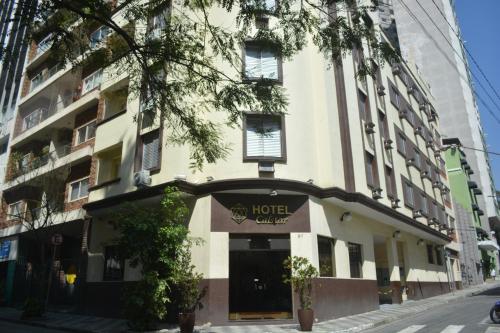
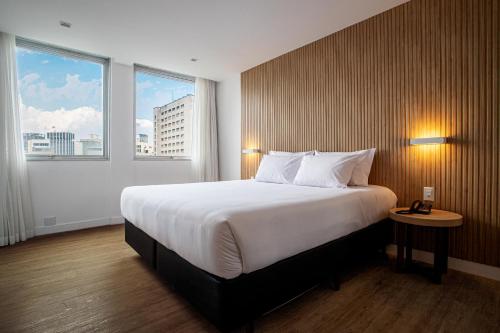
Itaim Bibi and Vila Olímpia: polished business district with top restaurants. The 3 hotels with the best real guest scores, according to top3hotels.com, are budget: Hotel Calstar (República, score 8.8, from €40 a night); best value: Sooz Hotel Collection (República, score 8.7, from €57 a night); luxury: Hotel Unique - A Legend Preferred Hotel (Jardim Paulista, score 9.3, from €817 a night). The nightly price is indicative and changes with the dates.
How do you get around Sao Paulo?
The metro is clean, efficient and the best way around.
What are the must-see places in Sao Paulo?
According to this guide: MASP (Museu de Arte de São Paulo); Avenida Paulista; Ibirapuera Park; Pinacoteca de São Paulo; Mercado Municipal (Mercadão); Farol Santander; Historic centre: Sé, Pátio do Colégio and Theatro Municipal; Edifício Copan and Edifício Itália. Each one is explained in the "What to see" section.
Is Sao Paulo expensive?
It depends on how you travel. This guide puts the "shoestring" level at about €40-55 per person per day and the "comfort" level at about €250+. Flights are extra: this page shows real fares checked by Happy Low Cost.
Photo: Wikipedia · · Wikimedia Commons · Guide updated 21 Nov 2026