- How many days in Washington DC
- 3 days to see the essentials of Washington DC; the day-by-day route is below.
- Budget
- Daily budgets per person, excluding flights: Typical extras: beer €8-10 ($8-11), coffee €4-6 ($4-6), Arlington tram €17 ($18).
- From the airport
- DC has three airports, and which one you land at changes your journey a lot.
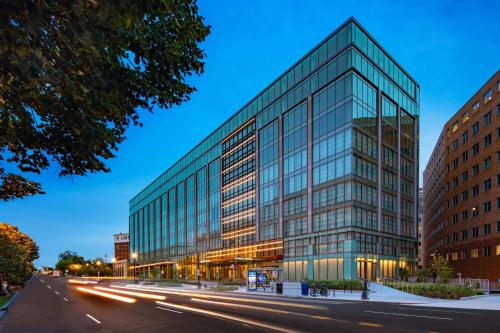
Washington DC is the rare big-name capital where most of the headline sights cost nothing. The Smithsonian museums, the monuments, the Capitol tour, the Library of Congress: all free. The catch is that everything else costs a lot, from hotels to a burger. Away from the marble of the National Mall it is a real city with rowhouse neighbourhoods, a serious food scene and a lot of Ethiopian restaurants. You can tell where the tourists stop and the locals start, usually around Union Station on one side and Georgetown on the other.
It suits history and museum lovers, families and anyone travelling on a tight budget who can find a decent bed. You need 3 full days to cover the Mall properly, see one or two neighbourhoods and eat well. With 4 you can add Mount Vernon or Baltimore. Try to do it in two and you will spend the whole time speed-walking between museums in the heat.
What to see in Washington DC: the places worth your time
The National Mall and the memorials
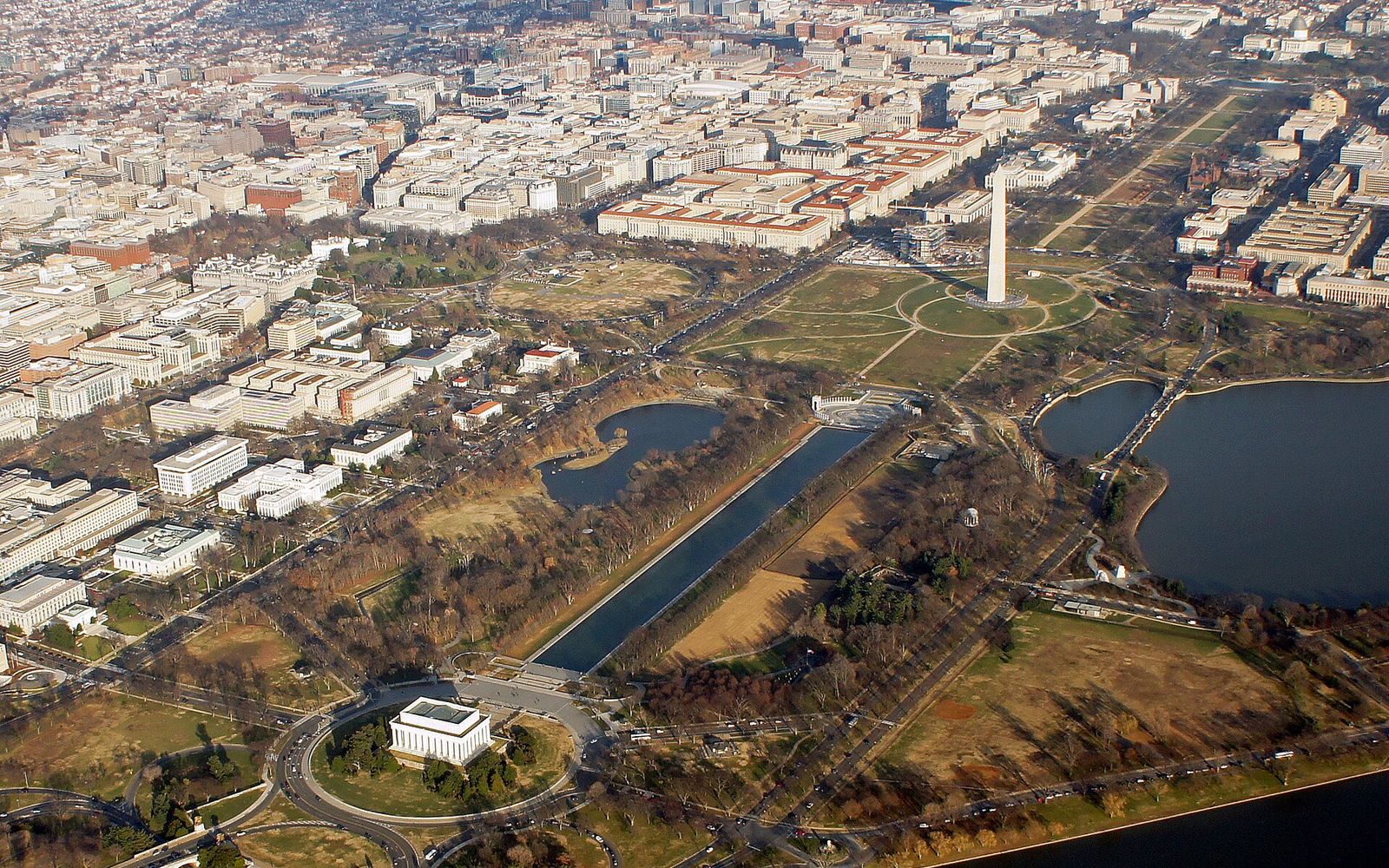
The Mall is the 3 km stretch of grass between the Capitol and the Lincoln Memorial, and it is the reason you came. Walking it end to end with stops takes 2-3 hours and costs nothing. The Lincoln Memorial, the Vietnam Veterans Memorial wall, the Korean War Veterans Memorial and the World War II Memorial sit close together on the west end. Our tip: do the memorials after dark. They are lit, the crowds thin out and it is cooler in summer.
Washington Monument
The 169 m obelisk has an elevator to an observation level with the best view over the Mall and the White House. Tickets are free but you pay a small reservation fee (about €1, $1) on recreation.gov. Allow an hour. Same-day tickets go fast, so book online the day before when the next batch opens, or turn up first thing.
US Capitol and the Library of Congress
The Capitol tour is free, takes about an hour and gets you into the Rotunda and the old Crypt. Book online ahead, especially in spring. An underground tunnel connects to the Library of Congress Jefferson Building, which is frankly the more beautiful of the two: the Great Hall and the reading room overlook are among the finest interiors in the country. Free, with timed passes, so book that too.
National Museum of African American History and Culture
If you only see one Smithsonian, many people would make it this one. Start at the bottom, in the history galleries below ground, and work upwards; it is emotionally heavy and brilliantly done. You need at least 3-4 hours. Entry is free but timed passes are sometimes required, so check the website before you go.
National Museum of Natural History
Dinosaur hall, the Hope Diamond and the giant elephant in the rotunda. It is the most visited museum on the Mall, which means it is also the most crowded by late morning. Go first thing, see the fossils and gems, and get out before the school groups arrive. Free, 2-3 hours.
National Air and Space Museum
The Mall building, after years of renovation, has the Wright Flyer and the Apollo 11 command module. Free timed passes are usually needed. The bigger collection is actually at the Udvar-Hazy Center near Dulles Airport, home of the Space Shuttle Discovery and an SR-71 Blackbird. Worth it for aviation fans; slightly awkward to reach without a car.
National Gallery of Art
The only Leonardo da Vinci painting in the Americas (Ginevra de' Benci) hangs in the West Building, along with Vermeer, Rembrandt and a strong Impressionist collection. The East Building does modern art and has a rooftop terrace with a big blue rooster sculpture. Free, 2-3 hours, and much calmer than the Smithsonians next door.
United States Holocaust Memorial Museum
One of the most powerful museums in the city. The permanent exhibition takes 2-3 hours and is not suitable for young children. Free, but timed passes are needed for the permanent exhibition in busy months, from March to August. Plan something light for afterwards.
National Archives
The original Declaration of Independence, Constitution and Bill of Rights, in a dim rotunda. The documents are faded and you shuffle past in a queue, so expect 45 minutes to an hour, not a whole morning. Free; reserving a timed entry online (for a small fee) skips the general line in high season.
White House
You will see it through a fence from Lafayette Square on the north side or the Ellipse to the south. Public tours exist but must be requested through a member of Congress (or your embassy, for foreigners) weeks or months ahead, and are often cancelled. Take the photo, spend 20 minutes, move on.
Georgetown
The oldest neighbourhood, with Federal-style townhouses, cobbled side streets and the C&O Canal towpath. Walk up from M Street to the quieter residential lanes around N Street and Dumbarton Oaks gardens (small fee for the gardens in season). The Exorcist steps at Prospect and 36th Street are a quick photo. Allow half a day, and go on a weekday if you hate crowds on the waterfront.
Arlington National Cemetery
Across the river in Virginia, one Blue Line metro stop away. See the Kennedy graves with the eternal flame and the Changing of the Guard at the Tomb of the Unknown Soldier. Free, though it is a big, hilly site, so allow 2-3 hours and wear proper shoes. The paid tram (about €17, $18) helps in summer heat.
Smithsonian American Art Museum and National Portrait Gallery
Two museums sharing one building in Penn Quarter, with the glass-roofed Kogod Courtyard in the middle. The presidential portraits, including the Obama portraits, are the draw. Free, open later than the Mall museums, so it is a good rainy afternoon or early evening option.
Things to do in Washington DC
Once the museums have worn you out, the city is better than its reputation for evenings and weekends.
- Rent a Capital Bikeshare bike and ride the Mall and the Tidal Basin. A single ride costs a few dollars; it is the fastest way between monuments.
- Walk the C&O Canal towpath from Georgetown. Flat, shaded, and the start of a trail that runs for hundreds of kilometres.
- Kayak on the Potomac from the Key Bridge Boathouse in Georgetown, around €20-25 ($22-28) an hour, with views of the Kennedy Center and Roosevelt Island.
- Browse Eastern Market on Capitol Hill at the weekend, when the flea market and farmers stalls spread out onto 7th Street SE.
- Catch a game: the Nationals play baseball at Nationals Park in Navy Yard, with cheap upper-deck seats on weekdays.
- Go out on U Street and 14th Street, for jazz at Blues Alley in Georgetown or live music at the 9:30 Club.
- Hang out at The Wharf in Southwest, the redeveloped waterfront with free concerts, fire pits and the old Maine Avenue Fish Market.
Washington DC for free (or almost)
This is the cheapest major US city to sightsee in. Every Smithsonian museum, the National Gallery, the Capitol, the Library of Congress, the Archives and all the monuments are free. Budget money for food and beds, not for tickets.
- The National Zoo in Woodley Park is a Smithsonian and free (pass required in some seasons); the giant pandas came back in 2024.
- The Kennedy Center has a free rooftop terrace with Potomac views, and free performances on the Millennium Stage (check the current schedule).
- The US Botanic Garden conservatory at the foot of the Capitol is free and air-conditioned.
- Theodore Roosevelt Island has wooded trails a short walk across the Key Bridge.
- The Supreme Court building is free to visit and sometimes has lectures in the courtroom when the court is not sitting.
Washington DC itinerary: 3 days
| Day | Morning | Afternoon | Evening |
|---|---|---|---|
| Day 1 Capitol Hill and the east end of the Mall | Capitol tour (booked ahead), then the tunnel to the Library of Congress. Peek at the Supreme Court next door. | Lunch at Eastern Market (crab cake or a blueberry buckwheat pancake at Market Lunch, cash and queues), then the National Gallery of Art or Natural History. | Dinner in Navy Yard or at The Wharf, a short ride south. |
| Day 2 Monuments and the big museums | Washington Monument at opening, then the African American History museum right next door. | Holocaust Museum or Air and Space, then the White House from the Ellipse. | Walk west to the WWII Memorial, the Lincoln Memorial at sunset, Vietnam and Korean memorials, and on to Jefferson and FDR around the Tidal Basin if you still have legs. Dinner on U Street with a half-smoke at Ben's Chili Bowl or Ethiopian in Shaw. |
| Day 3 Arlington and Georgetown | Metro to Arlington Cemetery for the Kennedy graves and the Changing of the Guard. | Walk or take a quick ride over to Georgetown: lunch, the residential streets, Dumbarton Oaks and the canal towpath. | Sunset from the Kennedy Center terrace or a drink on the Georgetown waterfront, then dinner in Dupont Circle or Logan Circle. |
What is overrated (and what to do instead)
- The International Spy Museum. Fun, but around €35 ($38) when there are world-class museums for free a few hundred metres away. Do it only with spy-obsessed kids, otherwise spend that money on dinner.
- Trying to "do" the White House. The tour is hard for foreigners to get, and the fence view takes 20 minutes. The Washington Monument viewing level gives you a better look at the grounds.
- Shopping on M Street, Georgetown. It is the same chain stores you have at home. Walk two blocks uphill instead, or down to the canal.
- Cramming six museums into a day. Museum fatigue is real. Two big ones a day is the realistic maximum; pick depth over a checklist.
When to visit Washington DC
The best months are April-May and late September-October: mild temperatures, trees in leaf and outdoor terraces open. The cherry blossoms usually peak in late March or early April and bring huge crowds and the year's highest hotel prices, so book months ahead if you want them.
Summer is hot and seriously humid, often above 32°C, with afternoon thunderstorms; the Mall has little shade. It is also school-trip and family season. Winter is cold, sometimes snowy, but the quietest and cheapest time, and the museums are indoors anyway. Hotels can also be cheaper at weekends than midweek, since business travel drives weekday prices. Avoid inauguration years in January and big protest weekends unless that is why you are there.
Where to stay in Washington DC: best areas
Hotels in DC are expensive, so choose by metro access rather than postcode prestige.
- Penn Quarter and Downtown: walking distance to the Mall, the Archives and plenty of restaurants. Best for a first visit. About €200-350 ($220-380) a night.
- Dupont Circle: leafy, lively, good restaurants and bars, on the Red Line. Good for couples. About €180-300 ($200-330).
- Capitol Hill and Navy Yard: quieter rowhouse streets near Eastern Market, with newer hotels by the ballpark. €170-300 ($190-330).
- Arlington (Rosslyn or Crystal City), Virginia: across the river, often cheaper with easy metro rides and quick access to Reagan Airport. €130-220 ($140-240).
- Shaw and U Street: best for nightlife and food, with some hostels for budget travellers. Dorms from about €45-60 ($50-65).
What to eat in Washington DC
The local icon is the half-smoke, a smoky, half-beef half-pork sausage, ideally ordered with chili and onions at Ben's Chili Bowl on U Street (go for the history; the food is fine, not spectacular). Ask about mumbo sauce, a sweet-tangy red sauce served on wings at carry-outs across town.
DC has one of the largest Ethiopian communities outside Africa, so eat injera with doro wat or a vegetarian combo in Shaw or around U Street. Being close to Chesapeake Bay, crab cakes and blue crabs are a staple; Maine Avenue Fish Market at The Wharf is the no-frills place for steamed crabs and oysters. The city also does excellent Salvadoran pupusas (Columbia Heights and Mount Pleasant) and has José Andrés restaurants like Jaleo for Spanish tapas.
Avoid the food trucks and cafeterias lining the Mall at peak lunch: overpriced and mediocre. The museum cafés are similar, with the Mitsitam café at the National Museum of the American Indian the notable exception.
- Cheap lunch: half-smoke, pupusas or a market sandwich, about €12-18 ($13-20).
- Sit-down lunch: €20-30 ($22-33) with tax and tip.
- Mid-range dinner: €45-70 ($50-75) per person with a drink. Add 18-20% tip and about 10% tax to menu prices.
Airport to city centre and getting around
DC has three airports, and which one you land at changes your journey a lot.
- Reagan National (DCA): the closest. Blue or Yellow Line metro to downtown in 15-20 minutes for about €2-3 ($2-3). Taxi or Uber €20-30 ($22-33).
- Dulles (IAD): where most international flights land. The Silver Line metro runs straight from the terminal to downtown in about 50-60 minutes for around €6 ($6-7). Uber or taxi €60-80 ($65-90) and 40-60 minutes depending on traffic.
- Baltimore-Washington (BWI): often the cheapest flights. A free shuttle runs to BWI rail station, then MARC commuter train (weekdays mainly, around €8, $9) or Amtrak to Union Station in 30-40 minutes.
In the city, the Metro is clean and simple, with fares around €2-6 ($2-7) depending on distance and time. Pay by tapping a contactless card or phone, or load a SmarTrip card. An unlimited 1-day pass costs about €12-13 ($13.50) and a 3-day pass about €31 ($34), only worth it if you ride a lot. Metrobuses cost about €2 ($2). Much of the centre is walkable, and Capital Bikeshare docks are everywhere.
How much a trip to Washington DC costs
Daily budgets per person, excluding flights:
| Level | Per person per day | What it covers |
|---|---|---|
| Shoestring: about €90-130 | $100-140 | Hostel dorm, free museums, cheap lunches and carry-outs, walking and metro. |
| Mid-range: about €230-350 | $250-380 | Share of a 3-star hotel, sit-down meals, a few drinks, one paid activity and the odd Uber. |
- Typical extras: beer €8-10 ($8-11), coffee €4-6 ($4-6), Arlington tram €17 ($18).
Day trips from Washington DC
- Mount Vernon: George Washington's estate on the Potomac. Yellow Line to Huntington, then a Fairfax Connector bus, about an hour; or a seasonal boat from The Wharf or Alexandria. Tickets around €30 ($32); allow half a day.
- Old Town Alexandria: brick colonial streets, waterfront and good restaurants, 20 minutes on the Yellow or Blue Line to King Street, then a free trolley down King Street.
- Baltimore: Inner Harbor, the excellent National Aquarium and crab houses. MARC or Amtrak from Union Station in 40-60 minutes.
- Annapolis: sailing town with the US Naval Academy, about an hour by car or bus. A full day.
- Harpers Ferry and Shenandoah: rivers, hiking and Civil War history. Harpers Ferry takes about 1.5 hours by train (limited service) or car; Shenandoah National Park needs a car and a full day.
Common mistakes and scams
- Not booking timed passes. The Capitol, Library of Congress, Washington Monument and some Smithsonians use free timed entry. Turning up without one in spring often means no entry.
- Paying for "tickets" to free sights. Some resellers charge for Capitol or monument entry. Book only through official sites like visitthecapitol.gov and recreation.gov.
- Underestimating the walking. The Mall looks compact on a map and is not. Bring water in summer.
- Forgetting tax and tip. Menu and hotel prices exclude tax, and tipping 18-20% in restaurants is expected.
- Standing on the left on Metro escalators. Locals will let you know.
- Petty crime: DC is generally fine in tourist areas, but watch phones on the Metro and at busy stations, and use your judgement late at night in quieter parts of the city.
Washington DC FAQ
How many days do you need in Washington DC?
Three days covers the main monuments, two or three big museums a day and a neighbourhood or two. Add a fourth for Mount Vernon, Alexandria or Baltimore.
Are the museums in Washington DC really free?
Yes, all the Smithsonian museums, the National Zoo and the National Gallery of Art are free. Some need free timed passes at busy times, so check before you go.
Is Washington DC expensive to visit?
Accommodation and restaurants are expensive, but sightseeing is mostly free. Expect to spend most of your budget on your hotel.
What is the best time to see the cherry blossoms?
Peak bloom usually falls in late March or early April and lasts only a few days. Go to the Tidal Basin at sunrise to avoid the worst crowds.
Can you visit the White House?
Public tours must be requested through a member of Congress, or your embassy if you are not a US citizen, well in advance. Most visitors see it from Lafayette Square or the Ellipse.
Do you need a car in Washington DC?
No. The Metro, buses, bikeshare and walking cover everything in the city, and parking is expensive. Only rent one for Shenandoah or rural day trips.
Which airport is best for Washington DC?
Reagan National is closest to the centre by far, but Dulles has most international flights and BWI often has the cheapest fares. All three connect by public transport.
Is Washington DC worth visiting?
For the traveller who wrote this guide, yes: Washington DC is the rare big-name capital where most of the headline sights cost nothing. 3 days are enough for the essentials. Budget: Daily budgets per person, excluding flights: Shoestring: about €90-130 ($100-140).
What to see in Washington DC in one day?
If you only have one day, follow day 1 of this itinerary: Capitol Hill and the east end of the Mall. Morning: Capitol tour (booked ahead), then the tunnel to the Library of Congress.
What to see in Washington DC in two days?
With two days, follow days 1 and 2 of this itinerary. Day 1: Capitol Hill and the east end of the Mall. Morning: Capitol tour (booked ahead), then the tunnel to the Library of Congress. Day 2: Monuments and the big museums. Morning: Washington Monument at opening, then the African American History museum right next door.
What to do in Washington DC in 3 days?
With three days in Washington DC, this is the guide's route: Day 1, Capitol Hill and the east end of the Mall; Day 2, Monuments and the big museums; Day 3, Arlington and Georgetown. The table above has the full plan for each day.
Where to stay in Washington DC?
The 3 hotels with the best real guest scores, according to top3hotels.com, are budget: HighRoad Washington DC (Northwest, score 8.8, from €121 a night); best value: Arlo Washington DC (Northwest, score 9.1, from €216 a night); luxury: The Royal Sonesta Washington DC Capitol Hill (Northwest, score 9, from €354 a night). The nightly price is indicative and changes with the dates.
How do you get around Washington DC?
Blue or Yellow Line metro to downtown in 15-20 minutes for about €2-3 ($2-3).
What are the must-see places in Washington DC?
According to this guide: The National Mall and the memorials; Washington Monument; US Capitol and the Library of Congress; National Museum of African American History and Culture; National Museum of Natural History; National Air and Space Museum; National Gallery of Art; United States Holocaust Memorial Museum. Each one is explained in the "What to see" section.
Photo: Wikipedia · · Wikimedia Commons · Guide updated 21 Nov 2026