Gran Canaria is two islands pretending to be one. The south (Playa del Inglés, Maspalomas, Puerto de Mogán) is sun, sea and package-holiday concrete. The rest is a proper city, Las Palmas, with a 500-year-old quarter and one of Europe's best urban beaches, plus a volcanic interior of pine forest, cliff-edge roads and villages where lunch costs half what it does on the coast. Most visitors only see the first island. That's the mistake this guide is here to fix.
It suits almost everyone: beach people, hikers, families, winter sun seekers and anyone after a cheap flight in January. You need 5 days to do it properly: two based in Las Palmas, one in the mountains, one in the south, one up the north coast. Rent a car for at least two of those days. The buses are good, but the mountain roads are where the island gets interesting.
What to see in Gran Canaria: the places worth your time
Vegueta, Las Palmas
Vegueta is the old colonial quarter where Las Palmas was founded in 1478: cobbled lanes, wooden balconies and painted façades around Plaza de Santa Ana. Give it half a day. Wandering is free. Climb the Catedral de Santa Ana tower (there's a lift) for the best view over the rooftops to the port, about €3-4 on top of the cathedral ticket. Our tip: go in the morning before the cruise groups arrive.
Casa de Colón
Columbus probably stopped here on his way to the Americas, and this lovely house with its carved courtyard tells the story of the voyages and Canarian links to the New World. Allow an hour. Entry is a few euros and often free on certain days, so check before you go. Even if you skip the exhibits, look at the doorway on Calle Colón.
Museo Canario
This is the place to understand who lived here before the Spanish arrived: the indigenous Canarians, their mummies, pottery and a striking wall of skulls. It's old-fashioned but fascinating. Allow an hour, about €5. Do it before visiting Cueva Pintada and Roque Bentayga, as it makes both make sense.
Playa de Las Canteras
Three kilometres of golden sand right in the city, protected by a natural reef called La Barra that turns the water into a calm pool at low tide. It's free, and you'll want a full afternoon. Snorkel near La Barra at low tide, then walk the promenade at sunset towards the Auditorio Alfredo Kraus at the southern end, where the surfers are. The northern end (La Puntilla) has the cheaper fish restaurants.
Triana
Next door to Vegueta, Triana is the shopping street: Calle Mayor de Triana is pedestrianised and lined with modernist façades. Allow an hour or two, combined with Vegueta. The Gabinete Literario on Plaza Cairasco is worth a look for the building alone.
Roque Nublo
The island's symbol is an 80-metre rock monolith on top of a ridge at around 1,800 metres. It's free, and the walk from the La Goleta car park takes about 1.5 hours return on a well-marked path. Get there early: the car park fills by mid-morning, and access rules have been tightened in recent years, so check for any parking limits or booking requirements before driving up. On a clear day you can see Mount Teide on Tenerife.
Pico de las Nieves and Roque Bentayga
Pico de las Nieves is the high point you can drive to, at nearly 2,000 metres, with a viewpoint looking straight at Roque Nublo. It's free and you only need 20 minutes. Roque Bentayga, a few kilometres away, has a small interpretation centre and the remains of an indigenous sacred site. Our tip: come for sunset at the Pico, but bring a jacket. It can be 10 degrees colder than the coast.
Tejeda
Tejeda is a white village clinging to the edge of the central crater, regularly voted one of Spain's prettiest. Spend an hour, maybe lunch. Buy bienmesabe (an almond cream) and almond biscuits at Dulcería Nublo, which is famous for good reason. The view from the main street over the caldera is free and spectacular.
Dunas de Maspalomas
Here you get around four square kilometres of Sahara-style sand dunes running down to the sea, protected as a nature reserve. Entry is free. Allow two hours, and stick to the marked paths, because walking off them can get you fined. Go early or late. At midday the sand is scorching and the light is flat. Approach from the viewpoint behind the Riu hotel in Playa del Inglés for the classic panorama.
Puerto de Mogán
Nicknamed "Little Venice", it's a marina village of whitewashed houses with bougainvillea and small canals. It's pretty and very touristy. Give it two or three hours. Go on a Friday for the big market, or on any other day if you hate crowds. Eat one street back from the harbour, as the front-row restaurants charge for the view.
Teror
Teror is a hill town in the north with the best-preserved balconied street on the island (Calle Real de la Plaza) and the Basílica de Nuestra Señora del Pino, the island's patron saint. Allow two hours. The Sunday market sells chorizo de Teror, a soft, spreadable pork sausage you eat in bread. That's the reason to go on a Sunday.
Agaete and Puerto de las Nieves
This is a fishing port on the wild northwest coast, with fish restaurants and natural rock pools. Half a day is enough. The famous rock "Dedo de Dios" lost its finger in a 2005 storm, so don't come for that. Come for the grilled fish, and drive up the Valle de Agaete, where they grow coffee, the only commercial coffee in Europe.
Cueva Pintada, Gáldar
This is a cave decorated with geometric painted patterns, inside an excavated indigenous village. It's the best archaeological site on the island. Entry is about €6, and visits are guided at set times, so book ahead. Allow 1.5 hours.
Barranco de Guayadeque
A deep ravine in the east where people still live in caves, and where you can eat in cave restaurants. Allow half a day with lunch. It's free to drive in. Order grilled meat and papas at one of the cave restaurants at the top of the ravine.
Things to do in Gran Canaria
The sights only get you so far. These are the things that make a trip:
- Snorkel at Sardina del Norte near Gáldar. It's a small, clear-water cove with lots of fish and very few tourists.
- Surf a lesson at Las Canteras. The southern end, La Cícer, is the beginner spot. Group lessons cost about €30-40.
- Hike a section of the Camino de Santiago de Gran Canaria, or the walk around the Caldera de Bandama. Going round the rim takes about 1.5 hours, and the crater viewpoint at Pico de Bandama is free.
- Visit the Arehucas rum distillery in Arucas and try ron miel (honey rum). Then see the over-the-top neo-Gothic Iglesia de San Juan Bautista next door.
- Thursday night tapas in Vegueta. Bars around Calle Mendizábal run cheap tapa-and-drink deals. It's loud, local and great fun.
- Go to Carnaval in February. Las Palmas throws one of the biggest carnivals in Spain, with drag queen gala included. Book months ahead.
- Stargaze from the summit. The interior is a protected dark-sky area, so tours from the south cost about €50-70, or you can drive up yourself.
- Swim in the Las Salinas natural pools in Agaete. They're free, calm and carved into black lava.
Gran Canaria for free (or almost)
A lot of the best stuff costs nothing. The beaches are public, the dunes are free, and the Roque Nublo and Bandama hikes cost only the petrol. Wandering Vegueta and Triana is free, and the Jardín Canario, a big botanical garden of native plants south of Las Palmas, is free too.
- Sunset on the Las Canteras promenade
- Mercado de Vegueta for a look (and a cheap coffee)
- Teror's Sunday market
- The viewpoints at Pico de las Nieves, Tejeda and Mirador del Balcón on the west coast road
- Museums on free-entry days. Check each one, as Casa de Colón and others often have them.
Gran Canaria itinerary: 5 days
Day 1: Old Las Palmas
Morning: Mercado de Vegueta for breakfast, then the cathedral and its tower, and Casa de Colón. Afternoon: Museo Canario, then walk up Calle Mayor de Triana. Evening: tapas in Vegueta, or dinner on Calle Pérez Galdós.
Day 2: Las Canteras and the port
Morning: swim and snorkel at La Barra at low tide. Afternoon: lunch at the Mercado del Puerto, then a surf lesson or a long walk to the Auditorio. Evening: sunset on the promenade and grilled fish at La Puntilla.
Day 3: The mountains (car)
Morning: leave Las Palmas early, stop at the Bandama viewpoint, then hike Roque Nublo before 10am. Afternoon: lunch in Tejeda, then Roque Bentayga. Evening: sunset at Pico de las Nieves, then drive down to the south and sleep there.
Day 4: The south
Morning: the Maspalomas dunes early, then walk to the Faro de Maspalomas. Afternoon: drive or take the bus to Puerto de Mogán for a late lunch and a swim. Evening: back to Meloneras for dinner, or a detour through Fataga and its palm-filled ravine.
Day 5: The north coast (car)
Morning: Cueva Pintada in Gáldar (booked), then a snorkel at Sardina del Norte. Afternoon: fish lunch in Puerto de las Nieves and a dip at Las Salinas. Evening: Arucas and Teror on the way back to Las Palmas or the airport.
What is overrated (and what to do instead)
- Playa del Inglés as a base. It's tired, full of 1970s shopping centres and has little Canarian about it. Sleep in Las Palmas or Meloneras instead.
- Puerto de Mogán's harbourfront restaurants. You get average paella at premium prices. Eat in the back streets, or in Agaete, where the fish is better.
- Theme parks and water parks. They're fine with kids, but at €30+ each you're paying to stand in queues on an island full of free natural pools.
- Jeep "safari" tours. They cost €50-80 for the same mountain road you could drive yourself in a €30-a-day rental car, at your own pace.
When to visit Gran Canaria
Any time. Coastal temperatures sit between about 20 and 27°C all year, which is why Northern Europeans flood in from November to March. Winter is high season in the south, so prices go up, especially around Christmas and Carnaval. Summer is hotter, with Spanish families on holiday in July and August.
The best balance is April-June and October: warm sea, fewer crowds and cheaper flights. Two warnings. The north, including Las Palmas, often sits under a cloud blanket locals call the panza de burro, especially in summer, while the south stays sunny. Occasionally there's also calima, a dusty Saharan wind that turns the sky orange and kills the views for a few days.
Where to stay in Gran Canaria: best areas
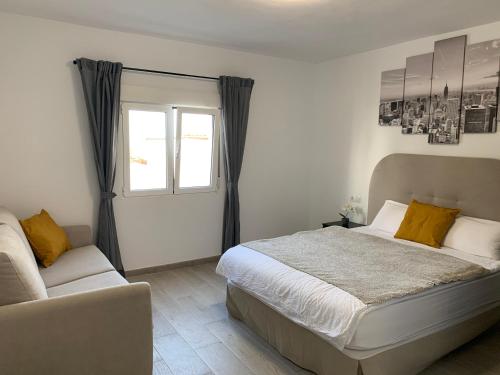
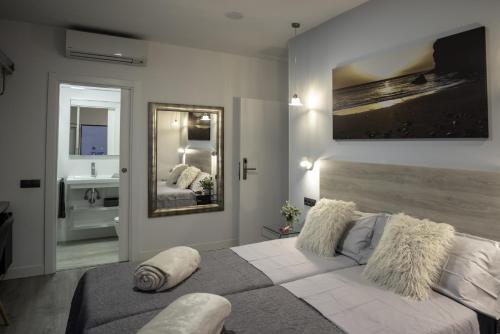
- Las Canteras / Santa Catalina (Las Palmas): our top pick. You get a city beach, real restaurants, good bus links and year-round life. It suits couples, solo travellers and remote workers. Expect €70-140 per night for a double.
- Vegueta / Triana: character and culture, with boutique hotels in old houses, but you'll walk 30 minutes or take the bus to the beach. Around €80-150.
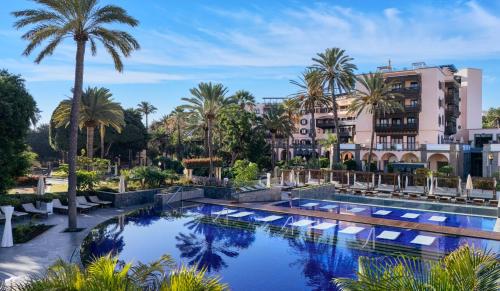
- Meloneras / Maspalomas: a polished resort area near the dunes, with big hotels and a nice promenade. Good for families and beach holidays. Around €100-250.
- Puerto de Mogán: quiet and pretty, with the sunniest weather on the island, but dead at night. Around €90-180.
- Agaete: rural, with a wild coast and a slow pace. Good for hikers with a car. Around €60-110.
What to eat in Gran Canaria
Canarian food is simple and very good when it's done right. Start with papas arrugadas con mojo: small salt-crusted potatoes with red (spicy) and green (coriander) sauces. You'll get them everywhere, and they'll be better in the mountains than in the resorts.
- Queso de flor de Guía: sheep's cheese curdled with thistle flowers, made in the north. Order it grilled with palm honey.
- Pescado fresco: look for cherne (wreckfish) or vieja (parrotfish), grilled or salted, with papas.
- Ropa vieja: chickpeas with shredded meat.
- Carne de cabra: slow-cooked goat stew, best in mountain bars.
- Sancocho canario: salted fish with potatoes, sweet potato and mojo.
- Gofio: toasted grain flour, stirred into soups or desserts.
- Bienmesabe and ron miel for dessert. Drink Tropical beer, or a local wine from the Monte Lentiscal area.
A menú del día at lunch in a local bar costs about €12-15. Dinner with a main, a shared starter and a drink runs about €25-35 per person. Fish sold by weight in port restaurants adds up fast, so ask the price per kilo before they weigh it.
Airport to city centre and getting around
Gran Canaria Airport (LPA) is on the east coast, roughly halfway between Las Palmas and the south. The blue Global buses run from outside arrivals:
- To Las Palmas: line 60 to San Telmo station takes about 30 minutes and costs around €3. A taxi costs about €35-40.
- To Playa del Inglés / Maspalomas: line 66 takes about 40 minutes and costs around €4-5. A taxi costs about €40-50.
- Car hire: about €25-40 per day outside peak season, and very cheap in low season. Book ahead in winter.
Inside Las Palmas, the yellow city buses (guaguas) cost about €1.50 a ride. Between towns, Global buses cover the whole island. Line 30 and the express line 91 link Las Palmas with the south in about an hour. Global sells a rechargeable card that gives discounts on fares, and many buses take contactless payment, so check current fares when you arrive. For the mountains, rent a car. Interior buses exist but are infrequent.
How much a trip to Gran Canaria costs
- Shoestring (€50-70 per day): hostel or a cheap room in Las Palmas (€25-40), menú del día lunches, supermarket breakfast, buses and free beaches.
- Mid-range (€110-170 per day): a double room at €80-120 split, a car for a couple of days, a sit-down dinner, a museum or a surf lesson.
- Extra costs to plan: car hire at €30 per day plus fuel, guided tours at €50-70, and the ferry to Tenerife at €40-60 each way.
Day trips from Gran Canaria
- Tenerife: the Fred. Olsen ferry from Agaete to Santa Cruz de Tenerife takes about 1 hour 20 minutes, with a free bus link from Las Palmas to Agaete. It's doable as a long day, but you'll only scratch the surface.
- Fuerteventura: ferries from Las Palmas to Morro Jable take a few hours, so it's better as an overnight. Fly with Binter if you're short on time.
- Lanzarote: about 40 minutes by plane with Binter. It's a real option for a one- or two-night add-on.
- Güigüí beach: on the island, but it feels like a trip. It's a remote west-coast beach reached by a tough hike of about 3-4 hours return from Tasartico, or by boat from Mogán.
Common mistakes and scams
- Staying only in the south. You'll leave thinking the island is just hotels and buffets.
- Timeshare touts in Playa del Inglés and Puerto Rico with "scratch cards" and free prizes. Walk on.
- Car-hire insurance upsells. Big-name desks at the airport push expensive extra cover. Local firms like Cicar and AutoReisen usually include full insurance with no deposit.
- Leaving valuables in hire cars at trailheads and beach car parks. Break-ins happen.
- Underestimating the mountain roads. They're narrow with sharp bends and cyclists. Allow double the time Google Maps says.
- Ignoring the sea. The north and west coasts have strong currents. Swim where locals swim, and respect red flags.
- Restaurant bread and olives that appear unasked are usually charged. Send them back if you don't want them.
Gran Canaria FAQ
How many days do you need in Gran Canaria?
Five days is the sweet spot for seeing Las Palmas, the mountains, the south and the north coast. With three days, pick Las Palmas plus one mountain day and one beach day.
Is it better to stay in Las Palmas or Maspalomas?
Choose Las Palmas for food, culture and a city beach, and Maspalomas or Meloneras for guaranteed sun and a resort holiday. If you can, split your stay between the two.
Do you need a car in Gran Canaria?
Not for Las Palmas or the south, which are well connected by bus. For Roque Nublo, Tejeda and the north coast, a car saves hours.
What is the best beach in Gran Canaria?
Las Canteras is the best all-rounder. Maspalomas is best for the dunes, and Güigüí is best if you want a beach almost to yourself.
Is Gran Canaria warm in winter?
Yes. Days are usually 20-24°C on the coast in winter, warmer in the south. The mountains can be cold and occasionally see frost.
Is Gran Canaria expensive?
Less than most of mainland Spain's resort coasts. Canarian taxes are lower, so drinks and fuel are cheap, and a menú del día still costs around €12-15.
Can you visit Tenerife from Gran Canaria in a day?
Yes. The fast ferry from Agaete takes about 1 hour 20 minutes. It's a long day, though, so focus on one area, such as Santa Cruz and La Laguna.
Photo: Wikipedia · · Wikimedia Commons · Guide updated 21 Nov 2026