Alicante is a working Spanish city that happens to have a beach in the middle of it, a castle on a rock above that beach and a long marble promenade where everyone seems to be eating ice cream at 11pm. It is not a resort like Benidorm, and that is the point: locals still outnumber visitors for most of the year, the rice is serious and prices are fair. It does get packed and sticky in August, and the old town can feel thin if you expect Seville-level monuments.
It suits beach-and-food weekends, couples, budget travellers chasing cheap flights and anyone who wants sun in winter. Three days is the right amount: one for the castle and old town, one for the beaches, and one for Tabarca island or a day trip. Two days works if you skip the island. More than four and you will be using Alicante as a base for the rest of the Costa Blanca, which is a perfectly good plan.
What to see in Alicante: the places worth your time
Castillo de Santa Bárbara
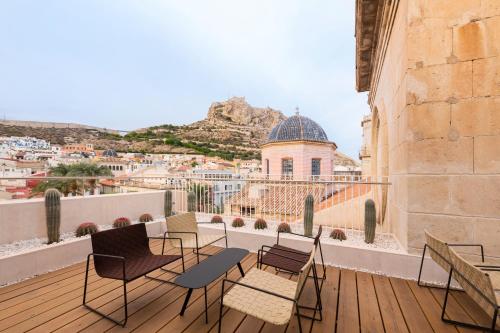
The castle on Mount Benacantil is the one thing in Alicante you should not skip. It is one of the largest medieval fortresses in Spain, entry is free, and the views over the port, the city and the coast run all the way to Tabarca on a clear day. Give it 1.5 to 2 hours.
Our tip: take the lift up (the entrance is in a tunnel on Avenida de Jovellanos, opposite Postiguet beach; it costs a few euros) and walk down through the Santa Cruz neighbourhood. Walking up at midday in summer is a mistake you only make once. Go first thing or for sunset.
Barrio de Santa Cruz
This tiny cluster of whitewashed houses with blue doors and potted geraniums sits on the slope below the castle. It takes 20 minutes to wander and is free. People live here, so keep the noise down and do not poke your camera into doorways. It is the best way down from the castle, ending in El Barrio.
El Barrio (the old town)
The old quarter between the castle and Rambla de Méndez Núñez is quiet by day and loud by night, with narrow streets full of bars around Calle Labradores and Calle San Pascual. By day, look for the Concatedral de San Nicolás and the Basílica de Santa María, Alicante's oldest church, built on the site of a mosque. Both are small; an hour covers the area. Come back after 11pm on a Friday to see what it is really for.
Explanada de España
The promenade along the port, with its wavy red, black and cream marble mosaic (around six and a half million tiles) and double row of palms, is Alicante's living room. It is free and takes 15 minutes to walk, though you will walk it ten times. Evenings are best, when families come out and street stalls set up. Skip the restaurants facing it (more on that below).
Playa del Postiguet
The city beach sits right below the castle, five minutes from the old town. Golden sand, calm water and showers, all free. It is fine for a swim between sights, but it gets wall-to-wall in July and August. Go before 10am or after 6pm, when the castle throws a bit of shade.
Playa de San Juan
This is the real beach: about 7km of wide sand, clean water and a long promenade, a 20-minute tram ride north. There is always space, even in August if you walk away from the tram stops. Give it half a day. The tram (line 4) costs about €1.50-2 each way.
MARQ (Archaeological Museum)
Alicante's best museum and one of the better archaeology museums in Spain, with Iberian, Roman and medieval finds presented with lots of video and lighting tricks. Entry is about €3, and you need 1.5 hours. It is next to the Mercado tram stop, so it is perfect for a hot afternoon or a rainy day.
MACA (Museum of Contemporary Art)
Next to the Basílica de Santa María, MACA mixes a 17th-century building with a sleek modern extension and holds works by Miró, Dalí, Picasso, Chillida and Sempere. Entry is free, and an hour is enough. Worth it for the air conditioning alone in summer.
Mercado Central
The modernist market on Avenida de Alfonso X el Sabio is where Alicante shops for fish, salted tuna, olives and turrón. Free to wander, 45 minutes. Go in the morning when the fish counters are full; it winds down after lunch and is closed on Sundays. Grab a coffee and a tapa at the bars inside or around the market at weekends.
Castillo de San Fernando
Alicante's second castle, on Tossal hill, is smaller, scruffier and almost always empty. It is free, takes 45 minutes including the climb, and has a great view back at Santa Bárbara and the bay. Go late afternoon, and check it is open before you climb.
Rambla de Méndez Núñez and Calle Castaños
The Rambla is the main north-south street, and the lanes off it are where Alicante eats. Calle Castaños, near the Teatro Principal, is lined with tapas terraces. It is more local than the seafront, though not exactly undiscovered. A slow evening here is better value than any port-side menu.
Paseo del Puerto and Marina
The walk along the marina towards the Panoramis area and the end of the pier is free and good for sunset. The views of the castle lit up from the water are the best in town. Allow 45 minutes.
Things to do in Alicante
- Take the boat to Tabarca. A tiny walled island with clear water and a single village; boats leave from the port, about €25 return, one hour each way. More below.
- Eat a proper arroz a banda at a sit-down lunch that lasts two hours. That is the local sport.
- Go out late in El Barrio. Bars fill up around midnight and run until 3am or later. Starting at 9pm will leave you drinking alone.
- Snorkel or kayak along the coast. Operators at Postiguet and San Juan rent paddleboards and kayaks from about €15 an hour.
- See the Hogueras de San Juan (around 20-24 June) if your dates fit: giant satirical sculptures across the city, fireworks, and the whole lot burned on the night of the 24th. Book accommodation months ahead.
- Drink a horchata with fartons on a hot afternoon. Valencian, sweet and very good when it is cold.
- Ride the coastal tram to Villajoyosa or Benidorm for sea views on the cheap.
Alicante for free (or almost)
Alicante is one of the cheapest cities on the Spanish coast for sightseeing, because the headline attractions cost nothing.
- Castillo de Santa Bárbara (free if you walk up, a few euros by lift)
- Castillo de San Fernando, free
- MACA, free
- Explanada, Santa Cruz and El Barrio, free
- Postiguet, San Juan and Albufereta beaches, free
- Mercado Central, free to browse
- Basílica de Santa María and the Concatedral, usually free or a small fee
- MARQ, about €3, the best value ticket in town
For cheap eating, buy bread, salted tuna and tomatoes at the market and take them to the beach, or stick to bars that serve the menú del día at lunch.
Alicante itinerary: 3 days
Day 1: Castle, old town and Explanada
Morning: take the lift up to Santa Bárbara early, before the heat and the tour groups. Walk down through Santa Cruz into El Barrio, stopping at the Basílica de Santa María and MACA.
Afternoon: long lunch around the Concatedral or Calle Castaños, then a swim at Postiguet or an hour in the MARQ if it is too hot.
Evening: walk the Explanada and the marina for sunset, tapas on Calle Castaños, then drinks in El Barrio after 11pm.
Day 2: Market and San Juan beach
Morning: Mercado Central for coffee and a browse, then the tram from Mercado or Luceros to Playa de San Juan.
Afternoon: beach, then rice for lunch at one of the restaurants on the San Juan promenade (book at weekends).
Evening: tram back, climb Castillo de San Fernando for the late light, dinner around the Rambla.
Day 3: Tabarca (or a day trip)
Morning: first boat to Tabarca from the port. Walk the village walls and swim before the day-trippers arrive.
Afternoon: caldero (the island's fish and rice dish) for lunch, then back to Alicante mid-afternoon. If the sea is rough or you have done boats before, go to Elche instead.
Evening: horchata or ice cream on the Explanada, a last dinner in El Barrio.
What is overrated (and what to do instead)
- Restaurants on the Explanada. Photo menus, microwaved paella and waiters waving you in. Walk two streets inland to Calle Castaños or El Barrio and pay less for better food.
- Postiguet in August. Towel-to-towel by noon. Take the tram to San Juan or Albufereta, where you will actually find space.
- Walking up to the castle at midday. No shade, steep, brutal in summer. Use the lift up and walk down in the morning or evening.
- Paella for dinner. Locals eat rice at lunch. A paella ordered at 9pm on the seafront is almost always a tourist product. Have rice at lunchtime and tapas at night.
When to visit Alicante
The best months are May, June, September and October: warm sea, around 25-28°C, and fewer crowds. Alicante is one of the sunniest cities in Europe, and winter (December to February) sits around 16-18°C by day, which makes it a cheap winter escape, though too cold for most people to swim.
July and August are hot (often 30°C+ with high humidity), crowded and the most expensive. The other big peak is the Hogueras in late June, when hotel prices jump. Easter is busy too. The cheapest flights and rooms are November to February, excluding Christmas.
Where to stay in Alicante: best areas
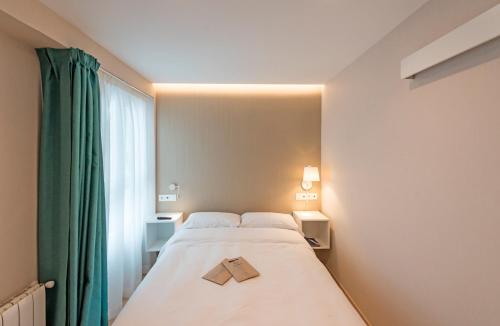
- Old town / El Barrio: everything on foot, full of character, but noisy at weekends until late. Good for nightlife. About €70-130 per night for a double.
- Centro (around the Rambla, Mercado and Calle Castaños): the best all-rounder. Walk to the beach, the market and the restaurants, with quieter streets. About €70-140.
- Seafront and Postiguet: sea views and the beach at your door, at a premium. About €110-200.
- Playa de San Juan: for a beach holiday, families and a quieter pace. 20 minutes by tram from the centre. Apartments from about €80-160.
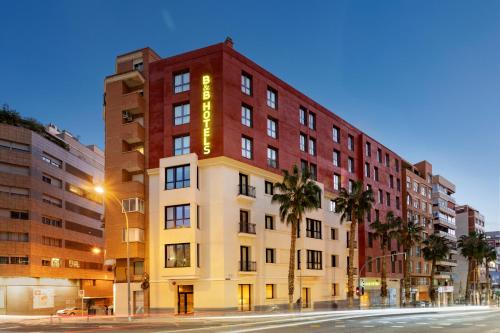
- Around the train station / Benalúa: cheaper and practical, less pretty. About €55-95.
Our tip: if you are light sleepers, stay in Centro rather than El Barrio itself.
What to eat in Alicante
Alicante is rice country, and the local style is thinner and drier than the Valencian paella most visitors know.
- Arroz a banda: rice cooked in a rich fish stock, served with alioli. The one to order.
- Arroz del senyoret: seafood rice with everything already peeled, for the lazy.
- Arroz con costra: from nearby Elche, rice with sausage and chickpeas baked under an egg crust.
- Caldero: fish stew with rice, the classic on Tabarca.
- Salazones: salted tuna (mojama) and fish roe, with almonds and a cold beer. Buy them at the market.
- Coca: flatbread with tuna, tomato or pine nuts.
- Turrón: the almond nougat from Jijona and Alicante, either hard or soft.
- Horchata and granizado de limón for the heat.
Rice is ordered for a minimum of two people and takes 20-30 minutes, so plan for that. A menú del día at lunch costs about €13-18 with a drink. A rice lunch with wine runs €25-35 per person. An evening of tapas costs about €20-30, and a beer or caña about €2-3 away from the seafront.
Airport to city centre and getting around
Alicante-Elche airport is about 12km from the centre, and the bus is the easiest way in.
- Bus C-6: runs from the airport to the centre (Plaza del Puerto area and Luceros) every 20 minutes or so. About 30-40 minutes, around €4. Pay by card on board.
- Taxi: about 20 minutes, roughly €25-30 to the centre, with an airport supplement. The rank is outside arrivals.
- Uber/Cabify: available, similar to a taxi.
The centre is walkable. For San Juan, Villajoyosa and Benidorm, use the TRAM d'Alacant (single fares from about €1.50). City buses run all around Alicante. If you will take several rides, get a rechargeable Móbilis card, which brings each trip down and works on both trams and buses.
How much a trip to Alicante costs
- Shoestring: €50-70 per day. Hostel or cheap room (€25-40 split), menú del día lunch, market picnic, free castles and beaches, tram rides.
- Mid-range: €110-170 per day. Central hotel double (€80-130 per person halved), rice lunch, tapas dinner, Tabarca boat, a museum or two.
- Extras: Tabarca boat €25, MARQ €3, castle lift a few euros, airport bus about €4.
Day trips from Alicante
- Tabarca island: boat from Alicante port, about one hour, roughly €25 return (or shorter, cheaper crossings from Santa Pola). Half or full day.
- Elche: UNESCO-listed palm grove, Europe's largest, plus the Huerto del Cura garden. Commuter train (Cercanías) or bus, about 30 minutes. Half a day.
- Villajoyosa: a fishing town with brightly painted houses on the seafront and the Valor chocolate factory. Tram line 1, about 50 minutes. Half a day.
- Altea: a white hilltop old town with a blue-domed church. Tram line 1 to Benidorm, then change to line 9; about 1.5 hours in total. Full day.
- Guadalest: a castle village on a rock above a turquoise reservoir. No good public transport, so you will need a car (about one hour) or an organised tour.
Common mistakes and scams
- Eating on the seafront. Not a scam exactly, but a reliable way to pay double for frozen food.
- Bag theft on the beach. Postiguet and San Juan see opportunistic thefts. Never leave your phone and wallet on the towel while you swim.
- Pickpockets in the Explanada crowds and at the Hogueras. Use a zipped bag.
- Rosemary sellers and fake petitions near the old town: say no and keep walking.
- Eating dinner at 7pm. Half the kitchens are not open. Locals eat lunch at 2pm and dinner at 9-10pm.
- Ignoring the sun. The Mediterranean sun burns even in April. Wear sunscreen and drink water.
- Not booking Hogueras accommodation. Late June prices triple and rooms vanish.
- Unlicensed airport "taxis". Use the official rank or the C-6 bus.
Alicante FAQ
How many days do you need in Alicante?
Three days is ideal: one for the castle and old town, one for the beaches, and one for Tabarca or Elche. Two days covers the essentials if you are short on time.
Is Alicante worth visiting?
Yes, if you want a real Spanish city with a beach, good rice and low prices. It is not packed with major monuments, so do not expect Barcelona.
Is the Santa Bárbara castle free?
Yes, entry is free. The lift from the Postiguet side costs a few euros, or you can walk up for free.
What is the best beach in Alicante?
Playa de San Juan, 20 minutes by tram, for space and clean water. Postiguet is the most convenient, but it is the most crowded.
How do I get from Alicante airport to the city centre?
Take the C-6 bus, which costs about €4 and takes 30-40 minutes. A taxi costs roughly €25-30.
Can you swim in Alicante in winter?
The air is mild (about 16-18°C by day), but the sea drops to around 14-15°C. Most people only swim from May to October.
Is Alicante safe?
Alicante is very safe. The main risks are petty theft on beaches and in crowds, so keep an eye on your bag.
Is Alicante better than Benidorm?
For culture, food and a local feel, Alicante wins easily. Benidorm is a purpose-built resort of high-rises and nightlife; it is worth seeing as a curiosity on the tram, but not as a base.
Photo: Diego Delso · CC BY-SA 3.0 · Wikimedia Commons · Guide updated 21 Nov 2026