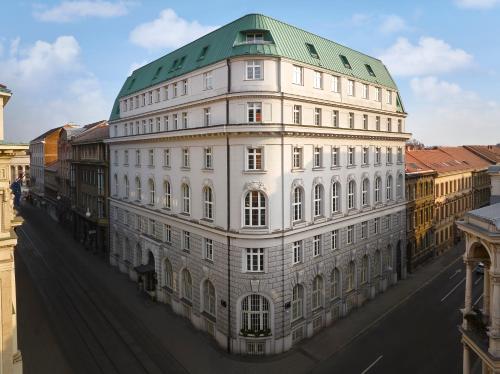
Zagreb is the Croatian city most people skip on the way to the coast, and that's partly why it's worth a stop. It has no beach and no Game of Thrones sets. What it does have is a compact Austro-Hungarian centre, a morning market that locals actually use, cafés where people stretch one coffee over two hours, and prices noticeably lower than Dubrovnik or Split. It suits people who like walking, eating and sitting outside, and travellers who find the coast too crowded in summer.
Two days is the right amount. That covers the Upper Town, the Lower Town, Mirogoj, a couple of museums and plenty of time in cafés. Add a third day if you want a day trip to Plitvice Lakes or Samobor. A week here would be too long unless Zagreb is your base for exploring the region.
What to see in Zagreb: the places worth your time
Ban Jelačić Square
The main square is the city's meeting point and the hub of the tram network, so you'll pass through it a dozen times whether you plan to or not. It takes five minutes to see: the statue of Ban Jelačić on horseback, the Manduševac fountain and a lot of blue trams. Free. Locals meet "pod satom" (under the clock) on the square's west side, which is useful to know when giving directions.
Dolac Market
Dolac is the city's main open-air market, one level up from the main square, with red umbrellas, farmers selling cheese, fruit, honey and flowers, and an indoor hall below for meat and fish. It's the best free thing in Zagreb. Allow 45 minutes. Our tip: go between 8 and 10am, buy a portion of sir i vrhnje (fresh cow's cheese with sour cream) from the women in the dairy section, and keep in mind that most stalls pack up by early afternoon.
Zagreb Cathedral
The neo-Gothic cathedral with twin spires dominates the skyline, but it's been under restoration since the 2020 earthquake, and scaffolding and access limits have been part of the deal for years. Free to look at from outside; check whether the interior is open before you plan around it. Five to fifteen minutes is enough. The best view of the spires is from the Kaptol square side in late afternoon light.
Upper Town (Gornji Grad)
This is the old hilltop town of cobbled lanes, government buildings and gas street lamps that are still lit by hand at dusk. Wander it for one to two hours. It's free and very quiet after dark, which is part of the charm. Walk up via the Stone Gate and come down on the funicular, or the other way round.
St Mark's Church
The church with the tiled roof showing the coats of arms of Zagreb and Croatia is the city's most photographed building. The square around it holds the parliament and government, so police are a permanent fixture and the interior is rarely open. Ten minutes, free. The early morning is best for photos before tour groups arrive.
Stone Gate (Kamenita Vrata)
The last surviving medieval gate of the Upper Town contains a small chapel with a painting of the Virgin Mary that, according to local legend, survived the fire of 1731. People stop to light candles and pray, so keep your voice down. Free, five minutes, and it sits on the natural route from Tkalčićeva up to St Mark's.
Lotršćak Tower and the Strossmayer Promenade
The tower at the top of the funicular is where the Grič cannon fires every day at noon. Stand nearby and you'll jump. The tree-lined promenade beside it has the best free view over the Lower Town rooftops. The tower climb costs a few euros, but the promenade view is almost as good. In summer the promenade hosts a pop-up evening event with drinks and music.
Zagreb Funicular
One of the shortest funiculars in the world, at about 66 metres, linking Tomićeva street to the Upper Town in under a minute. It costs about €1 one way. It's a novelty rather than a necessity, since the stairs beside it take two minutes, but it's fun once.
Museum of Broken Relationships
This is Zagreb's most famous museum: objects donated by people after breakups, each with a short story attached. Some are funny, some are devastating. Allow an hour, and entry is about €7-8. It's small and gets crowded at midday in summer, so go at opening time or late afternoon.
Mirogoj Cemetery
Mirogoj is one of Europe's most beautiful cemeteries: a long arcade with green domes, ivy-covered walls and graves of every faith side by side. It's free and peaceful, and an hour or so is enough. Take bus 106 from Kaptol near the cathedral (about 10 minutes), or walk 25 minutes uphill. Autumn and the days around All Saints' (1 November), when thousands of candles are lit, are the best time to visit.
The Green Horseshoe (Lenuci Horseshoe)
The Lower Town is laid out around a U-shaped chain of parks and squares: Zrinjevac, Strossmayer Square, King Tomislav Square with the yellow Art Pavilion, the Botanical Garden and Marulić Square. Walking the whole loop takes about an hour and a half and costs nothing. Zrinjevac, with its music pavilion and plane trees, is the prettiest stretch.
Croatian Museum of Naïve Art
This small Upper Town museum covers the self-taught peasant painters of the Hlebine school, whose glass paintings are unlike anything you'll see elsewhere. Allow 45 minutes, and tickets cost around €5-6. It's a good option on a rainy day, and it never feels crowded.
Mimara Museum
A big private collection of paintings, glass and antiquities sits in a grand building on Roosevelt Square. Some attributions have long been questioned by experts, which makes it oddly entertaining. Allow 1-2 hours, at around €8. It's only worth it if you like classic museums. Otherwise skip it.
Maksimir Park
Maksimir is a large 18th-century English-style park with lakes, oak woods and the city zoo, about 15 minutes east of the centre by tram (lines 4, 7, 11 or 12). It's free, and the zoo costs extra. Come for a long walk or a run, not for landscaping highlights. The football stadium of Dinamo Zagreb is across the road.
Things to do in Zagreb
The best things to do in Zagreb are less about monuments and more about the rhythm of the city. These are the ones we'd prioritise.
- Do the Saturday "špica". Between about 10am and 2pm on Saturdays, locals dress up, shop at Dolac and then sit in the cafés around Preradovićev trg (Flower Square), Bogovićeva and Tkalčićeva to see and be seen. Order a coffee and watch.
- Eat štrukli properly. These cheese-filled pastry parcels are boiled or baked with cream, and the baked version is the one to try. La Štruk, near the Upper Town, does nothing else and does it well, for about €8-10.
- Ride up to Sljeme. The Sljeme cable car on Medvednica mountain gets you above 1,000 metres in around 20 minutes, with hiking trails and mountain huts serving bean stew at the top. Medvedgrad fortress is a good hike on the same mountain.
- Swim or cycle at Jarun. Jarun Lake, southwest of the centre (tram 5 or 17), is where locals go to swim, row, cycle and drink in lakeside bars in summer.
- Visit Advent in Zagreb. From late November to early January the city fills with Christmas markets, ice rinks and food stalls, and Zrinjevac becomes a lit-up avenue. It's genuinely good, though crowded at weekends.
- Catch a Dinamo match. Tickets at Maksimir are cheap for domestic league games. Sit away from the north stand if you want a calm evening.
- Drink craft beer or wine by the glass. Zagreb has a solid craft beer scene and plenty of wine bars pouring Graševina, Malvazija and Plavac Mali. A glass usually costs €3-6.
Zagreb for free (or almost)
A lot of what to see in Zagreb costs nothing, which makes it one of the easiest capitals in Europe on a tight budget.
- Dolac Market, the Upper Town, St Mark's Church and the Stone Gate
- The Strossmayer Promenade view and the noon cannon at Lotršćak
- Mirogoj Cemetery (free, and the bus is cheap)
- The Green Horseshoe parks and the Botanical Garden (free entry, but check seasonal opening)
- Maksimir Park and Jarun Lake
- Watching the lamplighter in the Upper Town at dusk
- The Advent markets (free to enter, and mulled wine costs around €3-5)
Many museums have free entry days. The details change, so check the museum websites before you go.
Zagreb itinerary: 2 days
Day 1: Upper Town, Kaptol and Dolac
Morning: Start at Ban Jelačić Square, then walk up to Dolac Market around 8:30am for cheese, fruit and burek from a nearby bakery. Walk across to the cathedral, then up Tkalčićeva street, which is quiet in the morning.
Afternoon: Go through the Stone Gate to St Mark's, then visit the Museum of Broken Relationships and the Naïve Art museum. Be on the Strossmayer Promenade at noon for the cannon. Have lunch with štrukli at La Štruk, then take the funicular down.
Evening: Come back up to the Upper Town at dusk for the gas lamps, then have dinner and drinks on Tkalčićeva or in the streets around Preradovićev trg.
Day 2: Mirogoj, the Lower Town and a park
Morning: Take bus 106 from Kaptol to Mirogoj early, when it's at its most peaceful. Back in town, have coffee on Bogovićeva.
Afternoon: Walk the Green Horseshoe: Zrinjevac, the Art Pavilion, the Botanical Garden and Marulić Square. Add the Mimara Museum if it's raining, or take a tram to Maksimir or Jarun if it's sunny.
Evening: Eat a traditional dinner of turkey with mlinci or sarma, then go for craft beer or a wine bar. If you have a third day, head to Plitvice or Samobor.
What is overrated (and what to do instead)
- Tkalčićeva at night for dinner. It's pleasant for a drink, but many restaurants on the strip serve average food at tourist prices. Eat one street over, or in the Lower Town, and keep Tkalčićeva for drinks.
- The cathedral as a highlight. With restoration still ongoing, it isn't the experience older guides describe. Look from outside and spend the time at Mirogoj instead.
- Taking the funicular as transport. It's a 60-second novelty. Ride it once for fun, but don't queue for it.
- Organised "Zagreb in 3 hours" tours. The centre is small and easy to walk. A free walking tour, tipped, is better value than paid group tours.
When to visit Zagreb
May, June and September are the best months: warm weather and café terraces in full swing, without the July heat. Summer regularly passes 30°C and can feel muggy, and many locals leave for the coast in August, so some restaurants close and the city feels half-empty. That can be either nice or dull, depending on what you want.
December is high season for Advent, with a festive atmosphere and higher hotel prices, especially at weekends. January to March is grey, cold and the cheapest time to visit, with hotels often 30-40% below peak. April and October are good compromises: mild weather, fewer people and decent prices.
Where to stay in Zagreb: best areas
- Donji Grad (Lower Town): This is the best base for most people, with walking distance to everything, trams on every corner and plenty of apartments. Expect about €70-130 a night for a double room or apartment.
- Gornji Grad and Kaptol (Upper Town): Quiet and atmospheric, with fewer options and some cobbled uphill walks with luggage. It suits couples. Expect €90-160.
- Around the main railway station: This area is practical for early departures and the airport bus, and a little cheaper. It's safe, if less charming. Expect €55-100.
- Trešnjevka: A residential area west of the centre, 10-15 minutes by tram, with local cafés and lower prices. It suits budget travellers and longer stays. Expect €45-80.
Hostel dorm beds run roughly €18-30. Prices jump during Advent weekends and major concerts, so book early for December.
What to eat in Zagreb
Zagreb food is continental rather than Mediterranean: think hearty, creamy and Central European, closer to Vienna than to Split. These are the dishes to order.
- Zagorski štrukli: Pastry filled with fresh cheese, best baked with cream.
- Purica s mlincima: Roast turkey with mlinci, thin flatbread soaked in the roasting juices.
- Zagrebački odrezak: A breaded veal escalope stuffed with ham and cheese.
- Sarma: Cabbage rolls with minced meat, a winter favourite.
- Grah: Bean stew, often with sausage, which makes a cheap and filling lunch.
- Burek: Flaky pastry with cheese or meat from any bakery, for about €2-3. Eat it for breakfast.
- Kremšnita: A custard cream slice, best in Samobor. Vincek on Ilica is the classic Zagreb cake shop.
- Ćevapi: Grilled minced meat sausages, Bosnian in origin, served everywhere.
Look for "marenda" or "gablec", a cheap set lunch at local places (roughly €8-12), usually written on a board outside. A mid-range dinner with a main and a glass of wine costs about €20-30 per person. A coffee is around €2-3, and a draught beer is €3-5.
Airport to city centre and getting around
The easiest way from Zagreb Airport (Franjo Tuđman) to the city is the Pleso Prijevoz airport shuttle bus to the main bus station. It takes about 30-40 minutes and costs around €8, with departures timed to flights. From the bus station, trams run to the centre in about 10 minutes.
- City bus 290: This is the cheapest option, at a couple of euros with a ZET ticket. It runs to Kvaternikov trg, then you take a tram. It takes around an hour in total.
- Uber or Bolt: Expect about €20-30 to the centre, taking 25 minutes. This is cheaper and more predictable than flagging an airport taxi.
- Taxi: Official taxis are fine, but agree on the meter. Expect around €25-35.
In town, the tram network run by ZET covers almost everything, and most visitors only need trams for Mirogoj (actually a bus), Maksimir and Jarun. Single tickets are cheap and time-based. Buy them at kiosks (Tisak), from machines or via the app, then validate on board. A day ticket costs a few euros. The Zagreb Card (24 or 72 hours) includes transport and museum discounts, and it's worth it only if you plan several paid museums.
How much a trip to Zagreb costs
- Shoestring: €50-70 a day. This covers a hostel bed, burek and market food, a gablec lunch, one paid museum, trams and a couple of beers.
- Mid-range: €110-170 a day per person (sharing a room). This covers a central apartment or hotel, sit-down lunch and dinner with wine, two museums, coffees and an Uber or two.
- Extras: A Plitvice day trip by bus plus entry costs €50-70, more in peak season. The Sljeme cable car is a few euros each way.
Day trips from Zagreb
- Plitvice Lakes National Park: This is the big one. It's about 2-2.5 hours by bus each way, and entry is much pricier in summer (around €40) than in winter. Book a timed ticket online in season and catch the first bus. Leave a full day.
- Samobor: A pretty small town with a river and the famous kremšnita, about 30-40 minutes by bus from the main bus station. A half day is enough.
- Varaždin: A baroque former capital with a fairy-tale castle, about 1.5 hours by bus or train. Good for a relaxed full day.
- Trakošćan Castle: A hilltop castle on a lake in Zagorje. It's awkward by public transport, so it works best by car or tour, at about 1.5 hours each way.
- Ljubljana: The Slovenian capital is around 2-2.5 hours by bus or train. You can do it as a day trip, but it's better as your next stop.
Common mistakes and scams
Zagreb is a safe, low-hassle city, so most of the problems here are about wasted time and money rather than serious scams.
- Only giving Zagreb half a day. People pass through between the airport and Plitvice and leave thinking it's dull. One full day is the minimum.
- Riding trams without validating. Inspectors do check, and fines are steep compared with a ticket costing under €1.
- Unofficial taxis at the bus and train stations. Use Uber, Bolt or a clearly marked taxi with a meter.
- Showing up at Dolac in the afternoon. By then the market is mostly packed away.
- Arriving at Plitvice without a timed ticket in summer. Entry slots sell out, and you can be turned away or made to wait hours.
- Exchanging money. Croatia uses the euro, so there's no need. Avoid standalone ATMs like Euronet, which charge high fees, and use bank ATMs instead.
- Strip clubs and "friendly" bar invitations late at night. Overcharged bills are the classic trick here as anywhere, so just say no.
Zagreb FAQ
How many days do you need in Zagreb?
Two days covers the main things to do in Zagreb comfortably. Add a third if you want a day trip to Plitvice Lakes or Samobor.
Is Zagreb worth visiting?
Yes, especially if you like cafés, markets and walkable old towns. It's cheaper and calmer than the coast, though it isn't a beach destination.
What currency does Zagreb use?
Croatia has used the euro since 2023. Cards are widely accepted, but carry some cash for markets and bakeries.
Is Zagreb expensive?
It's cheaper than Dubrovnik and Split and most Western European capitals. A coffee costs about €2-3, a local lunch €8-12 and a mid-range dinner €20-30.
Can you do a day trip to Plitvice from Zagreb?
Yes. Buses take about 2-2.5 hours each way. Book a timed park ticket in advance during summer and take an early bus.
Is Zagreb safe for tourists?
Very. Violent crime against visitors is rare. Use normal care with bags in crowded trams and at the Advent markets.
What is Zagreb famous for?
It's known for its Advent Christmas markets, the Museum of Broken Relationships, St Mark's tiled roof, Mirogoj Cemetery and its café culture, especially the Saturday špica.
Do people speak English in Zagreb?
Yes, widely, especially younger people and anyone working in hospitality. Learning "hvala" (thank you) still goes a long way.
Photo: Paula Borkovic · CC BY-SA 4.0 · Wikimedia Commons · Guide updated 21 Nov 2026