Bari is a working port city that spent decades with a bad reputation and has turned into one of the most enjoyable bases in southern Italy. The old town, Bari Vecchia, is still lived in: women make pasta on the doorsteps, kids play football against 11th-century churches, and laundry hangs over alleys barely wider than a shoulder. Around it sits Puglia, the heel of Italy, with whitewashed hill towns, cone-roofed trulli, baroque Lecce and a coastline of clear water and rocky coves.
It suits travellers who care more about food and atmosphere than ticking off famous museums. Puglia has no Colosseum, and that is the point. You need 5 days to see Bari properly and hit the big names (Polignano a Mare, Alberobello, Lecce, plus Matera or Trani) by train. With a car and a week, add the Salento coast in the far south. Two days in Bari alone is plenty for the city itself.
What to see in Bari and Puglia: the places worth your time
Bari Vecchia
The old town is the reason to come to Bari, a tangle of limestone lanes squeezed onto a peninsula between the old and new ports. Walk it without a plan for two hours, then come back in the evening when families drag chairs into the street. It is free. Our tip: enter from Piazza Mercantile and leave via the seafront wall (Muraglia) for the best views over the water.
Basilica di San Nicola
This pale Romanesque basilica holds the relics of Saint Nicholas, yes, that Santa Claus, stolen from Turkey by Bari sailors in 1087. It is a major pilgrimage site for Orthodox Christians, so you will hear Russian and Greek in the crypt. Entry is free and 30-45 minutes is enough. Go early in the morning, before tour groups and weddings.
Strada Arco Basso (the orecchiette street)
On this lane near the castle, local women roll orecchiette by hand at tables outside their front doors and sell bags of it for about €5-8 per kilo-ish portion. It has become a photo stop, but the pasta is real and so are the women. Buy something before you take pictures; that is the unwritten deal.
Castello Normanno-Svevo
Bari's chunky castle, rebuilt by Frederick II in the 13th century, sits at the edge of the old town with a moat and a gypsotheca (plaster cast collection) inside. Entry is about €10 and an hour covers it. It is fine rather than essential; if time is short, admire it from outside.
Cattedrale di San Sabino
The cathedral is quieter and more austere than San Nicola, with a beautiful rose window and an underground area showing earlier churches and mosaics. The church is free; the crypt and excavations cost a few euros. Allow 30 minutes.
Lungomare and Molo San Nicola
Bari's seafront promenade runs for kilometres south from the old town, lined with grand Fascist-era buildings. At Molo San Nicola, by the Nderr'a la lanze area, fishermen sell raw sea urchins, octopus and mussels straight from crates on weekend mornings. A plate of raw seafood with a Peroni costs around €10-20. Go on a Saturday or Sunday late morning for the full scene.
Polignano a Mare
Polignano is a small town built on limestone cliffs, with a pebble cove, Lama Monachile, wedged between the houses. It is 30 minutes from Bari by train for about €3. Half a day is enough. Avoid weekends in summer, when the beach is shoulder to shoulder; the view from the Ponte Borbonico over the cove is free and better than lying on the stones.
Monopoli
Ten minutes past Polignano on the same line, Monopoli is bigger, less hyped and, in our opinion, more pleasant to spend an evening in. It has a working fishing harbour, a cathedral, and small beaches like Cala Porta Vecchia right under the walls. Combine it with Polignano and have dinner here, where prices are a little lower.
Alberobello
Alberobello is the town of trulli, the dry-stone houses with conical roofs, and a UNESCO site. The Rione Monti quarter is almost entirely souvenir shops; the Aia Piccola quarter across the road is where people still live and is far calmer. Allow 3-4 hours. Get there first thing or stay for sunset when day-trippers leave. The Trullo Sovrano, a two-storey trullo you can enter, costs a few euros.
Locorotondo and Martina Franca
These two hill towns in the Valle d'Itria are what Alberobello was before coach tours. Locorotondo is a circular white town with views over vineyards and trulli scattered across the fields; Martina Franca has baroque palazzi and good butchers' grill restaurants (fornelli pronti). Both are on the same Ferrovie del Sud Est line as Alberobello. Give each 1-2 hours.
Ostuni
The "white city" sits on a hill above olive groves running to the sea, and from below it looks almost unreal. Inside, it is steep lanes, staircases and a Gothic cathedral at the top. Two to three hours is enough. The best photo is from the viewpoint on Viale Oronzo Quaranta, just below the old town, late in the afternoon.
Lecce
Lecce is the baroque capital of the south, carved from honey-coloured stone that glows in the evening. Don't miss the facade of Basilica di Santa Croce, Piazza del Duomo and the half-excavated Roman amphitheatre in Piazza Sant'Oronzo. It is about 1.5 hours from Bari by fast train (from about €12). It deserves a night if you can; as a day trip it still works.
Trani
Trani's white Romanesque cathedral stands right on the edge of the sea, one of the most striking church settings in Italy. The harbour around it is lined with seafood restaurants. It is 30-40 minutes north of Bari by train (about €3-4). Half a day, ideally ending with an aperitivo on the port.
Things to do in Bari and Puglia
The best things to do in Bari and Puglia revolve around eating, swimming and doing what locals do in the evening. Some ideas:
- Join the passeggiata on Via Sparano. Bari's main shopping street in the Murat district fills with families walking slowly between 7 and 9 pm. Grab a gelato and follow the flow.
- Take a pasta-making class. Several cooking schools in Bari and the Valle d'Itria teach orecchiette and cavatelli, usually €50-90 with lunch included.
- Swim at a proper beach. Bari's city beach, Pane e Pomodoro, is free and fine for a dip, but the water is clearer south of Monopoli (Capitolo area) and in the Salento.
- Do a masseria lunch. Fortified farmhouses across the countryside serve long Sunday lunches with their own olive oil and cheese. Expect €35-60 per person.
- Go to an olive oil mill. Puglia produces a huge share of Italy's olive oil. Tastings near Ostuni and Fasano cost around €15-25.
- Watch something at Teatro Petruzzelli. Bari's opera house, rebuilt after a 1991 fire, has opera and concerts. Cheapest seats can be under €30.
- Visit the Grotte di Castellana. A big cave system between Bari and Alberobello. The full tour is about €20 and takes around two hours; you go by guided visit only.
Bari and Puglia for free (or almost)
Much of what makes Bari and Puglia good costs nothing. Both of Bari's main churches are free, the Lungomare and the Muraglia walk are free, and so is wandering every old town in the region.
- Street food is the budget hero: a slice of focaccia barese at Panificio Fiore in Bari Vecchia costs around €2-3.
- Sgagliozze (fried polenta squares) and popizze (fried dough balls) sold from doorways cost a couple of euros a cone.
- Regional trains are cheap: Bari to Polignano is about €3, Bari to Trani about €3-4.
- Free public beach stretches exist almost everywhere; you only pay at lidos (beach clubs).
- Sunset from Ostuni's viewpoint or Trani's harbour costs nothing.
Bari and Puglia itinerary: 5 days
This Bari and Puglia itinerary uses Bari as a base and public transport. With a car you could sleep in the Valle d'Itria for two nights instead.
Day 1: Bari
Morning: Start at Basilica di San Nicola, then the cathedral and Strada Arco Basso. Focaccia at Panificio Fiore for an early snack. Afternoon: Castello Normanno-Svevo if you like castles, otherwise walk the Muraglia and the Lungomare. Evening: Aperitivo in Piazza Mercantile, then dinner in the old town, followed by the passeggiata on Via Sparano.
Day 2: Polignano a Mare and Monopoli
Morning: Train to Polignano, early. Walk the old town and the cliff viewpoints, swim at Lama Monachile before it fills. Afternoon: Train ten minutes on to Monopoli, swim at Cala Porta Vecchia. Evening: Seafood dinner by the harbour, last train back to Bari (check times).
Day 3: Valle d'Itria
Morning: Ferrovie del Sud Est train to Alberobello (about 1.5 hours). See Aia Piccola first, then Rione Monti. Afternoon: Continue to Locorotondo for the view, and to Martina Franca if energy allows. Evening: Dinner at a fornello pronto in Martina Franca, where you pick raw meat at the counter and they grill it, before heading back.
Day 4: Lecce
Morning: Early fast train to Lecce. Santa Croce, Piazza del Duomo and the amphitheatre. Afternoon: Pasticciotto (custard pastry) and coffee, then wander the centro storico. Evening: Stay for the stone at golden hour and dinner; either sleep here or take a late train back.
Day 5: Matera or Trani
Morning: Matera (technically in Basilicata) by the FAL train, about 1.5 hours, for the cave districts of the Sassi. Afternoon: Walk Sasso Caveoso and Sasso Barisano. Evening: Back in Bari for raw seafood or a final plate of assassina. If you prefer something lighter, swap Matera for an easy half day in Trani.
What is overrated (and what to do instead)
- Grotta Palazzese in Polignano. The restaurant inside a sea cave is famous on Instagram, but dinner runs well over €200 per person and the food is not the point. Have a drink somewhere with a cliff view and eat in Monopoli.
- Rione Monti in Alberobello at midday. It is a souvenir mall made of trulli. Go to Aia Piccola, or see the trulli in the countryside around Locorotondo.
- Lama Monachile as a beach. It is tiny, pebbly and crammed in summer. Look at it from the bridge and swim elsewhere.
- Bari's city beaches for a beach holiday. They are fine for a quick swim, not for a day. Head south to Monopoli or the Salento.
When to visit Bari and Puglia
The best months are May, June and September: warm sea, long days and no August madness. July is hot (often 33°C or more) but manageable, while August is the peak of Italian holidays, when lido sunbeds sell out, hotel prices jump and beaches in the Salento are packed.
October is still warm enough for a swim in the first half and much cheaper. Winter (November to March) is mild, quiet and the cheapest for flights and hotels, but many beach towns shut down and Polignano feels empty. Bari itself is good year-round. The Festa di San Nicola in early May brings processions and fireworks to Bari, a great time to be in the city if you book early.
Where to stay in Bari and Puglia: best areas
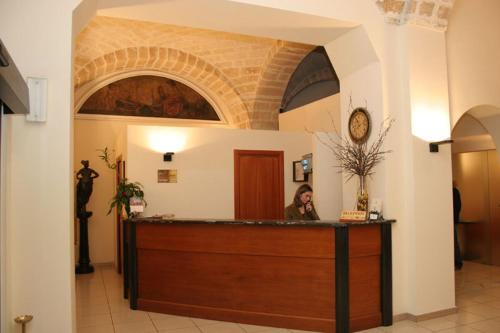
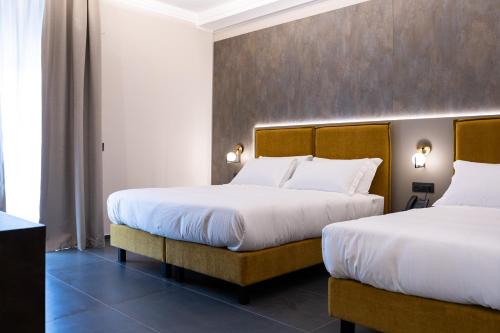
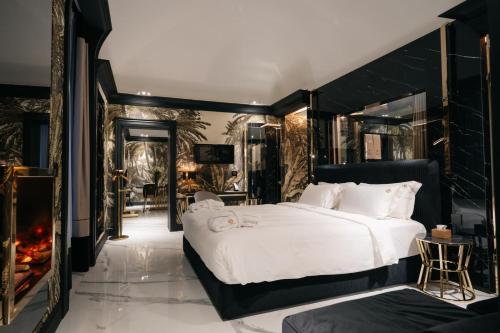
- Bari Vecchia: for atmosphere and walking everywhere. Expect noise at night and narrow stairs. About €70-130 per night for a double in a B&B.
- Murat (Bari): the grid of streets around Via Sparano, close to Bari Centrale station. The most practical base for day trips by train. About €60-120.
- Monopoli: smaller, prettier, by the sea and on the train line. Good for a slower trip. About €80-150, much more in August.
- Valle d'Itria (Locorotondo, Martina Franca, or a trullo/masseria): for drivers who want countryside. Trullo stays run from about €90; masserie from €150 to far more.
- Lecce centro storico: base for the Salento and the southern beaches. About €70-140.
What to eat in Bari and Puglia
Puglia is one of the best places to eat in Italy, and much of it is cheap. Order these:
- Orecchiette alle cime di rapa: ear-shaped pasta with turnip greens, anchovy and chilli. The regional classic.
- Spaghetti all'assassina: spaghetti cooked in tomato sauce in an iron pan until charred and crispy. Bari's own, and worth it.
- Focaccia barese: thick, oily, topped with cherry tomatoes and olives.
- Panzerotti: fried half-moons stuffed with tomato and mozzarella. Mind the lava inside.
- Riso, patate e cozze: a baked layered dish of rice, potatoes and mussels.
- Crudo di mare: raw sea urchins, octopus and prawns, eaten at the port.
- Burrata and stracciatella: from Andria and the Murgia, absurdly fresh here.
- Bombette: small pork rolls with cheese, grilled in the Valle d'Itria.
- Pasticciotto: Lecce's custard tart, best warm in the morning.
A street-food lunch costs €5-10. A trattoria lunch with pasta, a glass of wine and water is about €15-25. Dinner with antipasti, primo, secondo and wine runs €30-45 per person; seafood restaurants on the coast can hit €50-70. Drink local wine: Primitivo and Negroamaro reds, or chilled rosato in summer.
Airport to city centre and getting around
Bari's Karol Wojtyla airport is about 10 km from the centre. The easiest option is the Ferrotramviaria train to Bari Centrale: around 20 minutes and about €5. The AMTAB city bus 16 is cheaper (about €1-1.50) but slower, around 35-40 minutes. Taxis cost roughly €25-30 to the centre.
Brindisi airport is the alternative for Lecce and the Salento; buses link it to Lecce in about 40 minutes.
Inside Bari you walk almost everywhere; the old town and Murat sit next to each other. For the region, Trenitalia covers the coast (Trani, Polignano, Monopoli, Ostuni, Lecce), Ferrovie del Sud Est runs to Alberobello, Locorotondo and Martina Franca, and FAL goes to Matera. Check that FSE services are not replaced by buses on Sundays and holidays. There is no regional pass worth buying for most travellers; single tickets are cheap. A car (from about €30-60 a day, much more in August) makes masserie, Castel del Monte and remote beaches far easier.
How much a trip to Bari and Puglia costs
Puglia is noticeably cheaper than the Amalfi Coast or Tuscany, except in August. Rough daily budgets per person:
- Shoestring (€60-90 a day): hostel or shared B&B room €30-45, street food and one trattoria meal €20-25, regional trains €5-15, free sights and public beaches.
- Mid-range (€120-200 a day): double room €40-70 per person, two sit-down meals €45-60, a paid sight or lido sunbed €10-25, trains or a shared car rental €15-30.
- Extras: lido sunbed and umbrella for two €20-40 (up to €60+ in August), cooking class €50-90, Grotte di Castellana about €20.
Day trips from Bari and Puglia
- Matera: the Sassi cave districts, one of the most extraordinary towns in Europe. FAL train from Bari, about 1.5 hours, or a bus. Full day.
- Castel del Monte: Frederick II's octagonal castle on a hill, UNESCO listed, around €10 entry. Best by car (about 1 hour); public transport is awkward. Half day.
- Trani: cathedral by the sea and a lovely port. Train 30-40 minutes. Half day.
- Ostuni: train to Ostuni station (about 1 hour), then a short bus or taxi up to town. Half to full day.
- Otranto and the Salento coast: crystal water and cliffs like the Grotta della Poesia near Roca Vecchia. Best from Lecce by car or local bus; too far for a relaxed day from Bari.
Common mistakes and scams
- Driving into a ZTL. Old towns like Lecce, Ostuni, Polignano and Bari have limited traffic zones with cameras. Fines arrive months later via your rental company, often €80-100 each.
- Leaving things in a parked car. Break-ins happen around Bari and at beach car parks. Leave the car empty.
- Pickpockets. Bari's reputation is much better than it was, but watch bags around Bari Centrale and on crowded buses.
- Unpriced seafood. Fish sold by weight can produce a shocking bill. Ask the price per etto (100 g) before ordering.
- Assuming Sunday trains run. FSE services thin out or turn into buses on Sundays. Check before you plan Alberobello.
- Turning up in August without bookings. Lidos, masserie and rental cars sell out. Book weeks ahead or avoid the month.
- Coperto confusion. A cover charge of €2-3 per person is normal and legal, not a scam. Tipping is optional; rounding up is fine.
Bari and Puglia FAQ
How many days do you need in Bari and Puglia?
Five days covers Bari plus Polignano, Alberobello, Lecce and Matera or Trani. With a week you can add the Salento beaches and slow down.
Is Bari worth visiting?
Yes. Bari Vecchia is one of the most authentic old towns in Italy, the food is excellent and cheap, and it is the best transport hub for the region.
Do you need a car in Puglia?
Not for the main towns, which are all reachable by train. A car helps for masserie, Castel del Monte and the best beaches in the Salento.
Is Bari safe for tourists?
Generally yes. Use normal city caution against pickpocketing and car break-ins, but the old town is busy and friendly in the evenings.
What is the best base in Puglia?
Bari for train day trips, Monopoli for a seaside base, the Valle d'Itria if you drive, and Lecce for the far south.
When is the best time to visit Puglia?
May, June and September give warm sea and fewer crowds. August is the busiest and most expensive month.
How do I get from Bari airport to the city?
The Ferrotramviaria train reaches Bari Centrale in about 20 minutes for around €5. Bus 16 is cheaper but slower, and a taxi is about €25-30.
Can you do Alberobello as a day trip from Bari?
Yes, the Ferrovie del Sud Est train takes about 1.5 hours. Add Locorotondo on the same line to make the day worth it.
Photo: Martin Falbisoner · CC BY-SA 4.0 · Wikimedia Commons · Guide updated 21 Nov 2026