Ljubljana is a capital city that behaves like a university town. The old centre is car-free, the river is lined with café terraces, and you can walk from the castle to the best bar street in fifteen minutes. It isn't grand like Vienna or loud like Budapest. It's green, tidy, relaxed and good value for a European capital, and the architecture of Jože Plečnik gives it a look you won't find anywhere else.
It suits couples, slow travellers, food people and anyone who wants a city break without the stress. You need 2 days to see the city properly. Add a third if you want a day trip to Lake Bled or the Postojna caves, which most people do. Staying a week in the city itself would be overkill unless you're using it as a base for the rest of Slovenia.
What to see in Ljubljana: the places worth your time
Prešeren Square and the Triple Bridge
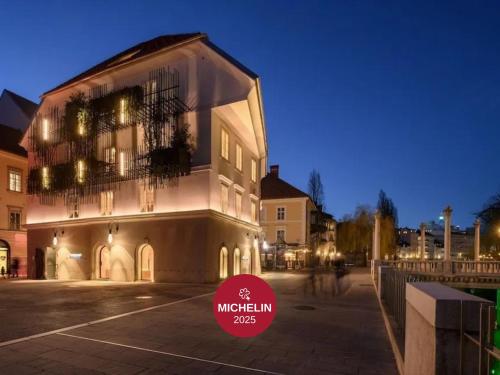
This is the city's meeting point and the place to start: a pink Franciscan church, a statue of the national poet France Prešeren, and Plečnik's Triple Bridge fanning across the river. It's free, and 20 minutes is enough. Our tip: come back after dark, when the bridges are lit and the crowds have moved to the riverside bars.
Ljubljana Castle
The castle sits on the hill above the old town. Honestly, the view from the Outlook Tower is the best part, more than the exhibitions inside. A ticket with the funicular costs roughly €16-18, and you should allow 1.5-2 hours. Walk up the path from Študentovska ulica (15 minutes, free) and take the funicular down if your knees complain. The courtyard is free to enter if you only want the atmosphere.
Central Market and Plečnik's Colonnade
The open-air market between the Triple Bridge and the Dragon Bridge sells cheese, honey, dried meats and whatever's in season, under a long riverside colonnade designed by Plečnik. Go in the morning (it's busiest on Saturday and closed on Sunday) and budget 45 minutes. There's a milk vending machine inside the covered hall. Fill a bottle for about €1, which is very Slovenian.
Dragon Bridge
Four bronze dragons guard this Art Nouveau bridge, and the dragon is the city's symbol, so expect it on every fridge magnet. It's free, takes 10 minutes and works as a stop between the market and Metelkova. The dragons look best in the late afternoon light.
Ljubljana Cathedral (St Nicholas)
From outside it's plain, but inside you get a baroque ceiling that's out of proportion to the size of the city. Look at the bronze side doors too. One shows the history of Slovenia, the other the history of the Ljubljana diocese. Entry is free or close to it, and 20 minutes covers it. Avoid Mass times.
Metelkova
A former army barracks squatted in the 1990s and now an autonomous cultural zone covered in graffiti, mosaics and odd sculptures. By day it's free and quiet (30 minutes). At night it's the city's alternative club scene, with cheap drinks and gigs. Respect the "no photos of people" vibe. The art hotel Celica, a converted prison, is next door and worth a look.
Tivoli Park
This is the city's big green lung, starting ten minutes from Prešeren Square. Walk the Jakopič Promenade, where large photo exhibitions hang outside year-round, then head up Rožnik hill if you want a proper walk. It's free, and you can stay anything from an hour to half a day. Tivoli Castle at the end of the promenade houses a graphic arts centre.
Nebotičnik
Built in the 1930s, this was once one of the tallest buildings in Europe. Today it has a rooftop café and terrace with a 360° view that includes the castle, which the castle tower obviously can't. There's no ticket, you just buy a coffee for about €3-4. Go at sunset and expect a short wait for the lift.
Plečnik House and Trnovo
Plečnik shaped half the city, and his house in Trnovo shows you how the man lived and worked. Visits are by guided tour only, cost about €8-10 and take an hour. Book ahead because groups are small. Afterwards walk along the Trnovo embankment and over the Trnovo Bridge, which has birch trees growing on it.
National and University Library (NUK)
Plečnik's masterpiece from outside: brick and stone walls with a deliberate rough texture, and door handles shaped like horse heads. The grand reading room is usually only open to visitors on certain guided tours in summer, so check before you go. The building and the staircase take 15 minutes and cost nothing.
National Gallery and Museum of Modern Art
These are two separate museums opposite each other near Tivoli. The National Gallery covers Slovenian art up to the 20th century, including the Impressionists you've never heard of (Grohar is the one to look for). Each costs around €8-10, and an hour is plenty for one. Pick the National Gallery if you only have time for one.
Ljubljanica river and Breg
The riverbanks, especially Cankarjevo nabrežje and the Breg embankment, are where the city actually lives. They're free, and you'll walk them five times without trying. Sit with a coffee and watch the people. The bars on the left bank by the Cobblers' Bridge get the evening sun.
Things to do in Ljubljana
Sightseeing here doesn't take long, so the best things to do in Ljubljana are mostly about eating, drinking and being outdoors.
- Odprta kuhna (Open Kitchen): a street food market on Pogačar Square, next to the Central Market, on Fridays from spring to autumn. Plates cost €6-12. Go early because the good stalls sell out.
- River boat ride: about 45 minutes for roughly €12-15. It's pleasant rather than essential. Take one at sunset.
- Stand-up paddleboarding on the Ljubljanica: several operators rent boards and run tours in summer for about €30-40. It's a different angle on the city.
- Hike Šmarna Gora: the locals' favourite hill on the northern edge of town, with a church and a hut serving ričet (barley stew) at the top. City bus 8 gets you close, and the climb takes about an hour.
- Wine tasting: Slovenian wine is underrated and rarely exported. A tasting of 5-7 wines costs about €25-40. Try Rebula and the orange wines from Brda and Vipava.
- Cycling with BicikeLJ: the city bike scheme is cheap once you register, and the centre is flat. Ride out along the river to Špica.
- Concert at Cankarjev dom or the Philharmonic: tickets are often €15-30, and the Slovenian Philharmonic is one of the oldest orchestras in the world.
Ljubljana for free (or almost)
A lot of Ljubljana costs nothing, which helps make it one of the better-value capitals in Western Europe.
- Walk up to the castle on foot and wander the courtyard for free.
- Do a free walking tour that leaves from Prešeren Square (tip €10-15 if it was good).
- See the Jakopič Promenade photo exhibition in Tivoli, outdoors and always free.
- Explore Metelkova by day.
- Browse the Central Market and grab a €2-3 burek.
- Walk the Plečnik trail: Triple Bridge, Cobblers' Bridge, NUK, the market colonnade and the Trnovo Bridge.
- Take a coffee with a view at Nebotičnik for the price of an espresso.
- Drink from the public fountains, as the tap water is excellent.
Ljubljana itinerary: 2 days
Day 1: Old town, castle and river
Morning: Start at Prešeren Square and the Triple Bridge, then go to the Central Market while it's in full swing. Step into the Cathedral next door. Walk up to the castle via Študentovska ulica and do the Outlook Tower before the tour groups arrive.
Afternoon: Ride the funicular down and have lunch in the old town (Mestni trg and Stari trg). Wander Stari trg and Gornji trg, cross the Cobblers' Bridge and head to Kongresni trg. Look at the University building and the NUK library on your way to Trnovo for Plečnik House if you've booked it.
Evening: Have a drink on the Trnovo embankment, then dinner along the river. If it's Friday, eat at Open Kitchen instead. Finish at the bars around the Cobblers' Bridge.
Day 2: Parks, art and alternative Ljubljana
Morning: Have coffee near Prešeren Square, then walk up Čopova ulica (the main shopping street) and on to Tivoli Park. Walk the Jakopič Promenade and climb Rožnik if you have the energy.
Afternoon: Spend an hour in the National Gallery, then cross to the Dragon Bridge and walk on to Metelkova. Take a river boat ride or rent a paddleboard in summer.
Evening: Watch the sunset from the Nebotičnik terrace. Have dinner with Slovenian wine, then go back to Metelkova if you fancy a late night, or call it a day by the river.
With a third day, go to Lake Bled early or to the Postojna Cave and Predjama Castle (see day trips below).
What is overrated (and what to do instead)
- The castle exhibitions. The puppet museum and the history display are fine, but people mostly pay for the tower. Instead, walk up for free and go to Nebotičnik for a view that includes the castle.
- Riverside restaurants right by the Triple Bridge. You pay for the location, the food is average and the service is rushed. Walk two minutes into the side streets or towards Trnovo.
- The Love Lock Butchers' Bridge. It's pretty enough, but it's just a bridge with padlocks and some odd sculptures. Glance at it on the way past and don't make it a stop.
- The Lake Bled "pletna" boat plus the island church plus the castle in one rushed afternoon. It adds up to €40+ and a lot of queuing. Instead, walk around the lake (about 6 km, 1.5 hours), then pick one of those extras.
When to visit Ljubljana
The best time is May-June and September. The weather is warm, the terraces are full and there are fewer crowds than in July and August. Summer brings 28-32°C days, festivals and the Ljubljana Festival, but also the highest hotel prices. Book accommodation early for July and August.
Autumn is lovely and cheaper, though fog often sits on the city in November. Winter is cold (often around 0°C) and grey, but the December markets and lights along the river are pretty and prices drop outside the holidays. January to March is the cheapest and quietest period. Spring is changeable, so pack a layer and an umbrella.
Where to stay in Ljubljana: best areas
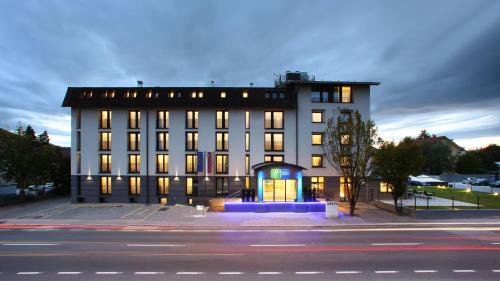
- Old Town (Stari trg, Mestni trg): beautiful and central, with everything a walk away. Rooms can be small and nights can be loud. Expect about €110-200 a night for a double in high season.
- Center (around Prešeren Square, Čopova, Slovenska cesta): best for first-timers and short stays, with good hotels and apartments. Expect €90-170.
- Trnovo and Krakovo: calm, leafy and residential, ten minutes' walk from the centre. Good for couples and slow travellers. Mostly apartments at €70-130.
- Tabor and Metelkova area: close to the bus and train stations and the nightlife. Hostels start around €25-35 for a dorm bed (Hostel Celica is the famous one), and private rooms run €60-100.
- Bežigrad: north of the centre, cheaper and well connected by bus, but less charming. Rooms cost €60-100.
What to eat in Ljubljana
Slovenian food is hearty Central European with Italian and Balkan influences. Here's what to order:
- Kranjska klobasa: the protected Carniolan sausage, served with mustard, horseradish and bread. Klobasarna in the old town does it well for about €6-8.
- Štruklji: rolled dumplings, sweet or savoury. The tarragon or cottage cheese versions are the classics.
- Idrijski žlikrofi: small potato-filled dumplings from Idrija, often served with a meat sauce (bakalca).
- Jota: a sour stew of beans, sauerkraut and potatoes. It's perfect in winter.
- Ajdovi žganci: buckwheat spoonbread, usually with cracklings or sour milk.
- Prekmurska gibanica: a layered cake with poppy seeds, walnuts, apple and cottage cheese. Order one slice and share it.
- Potica: a rolled nut cake, classic at Christmas but sold year-round.
- Burek: greasy, flaky, filled with meat or cheese, and the late-night food of choice. It costs about €3.
Many restaurants offer a weekday set lunch (malica or "dnevno kosilo") with soup, a main and sometimes salad for about €8-13. That's the best-value meal in the city. A sit-down dinner with a main and a glass of wine runs €20-35 a person in a regular gostilna, and €50+ in the better restaurants. A local beer (Laško or Union) costs about €3.50-5, a glass of wine €3-5 and a coffee €1.50-2.50.
Airport to city centre and getting around
Ljubljana Jože Pučnik Airport is at Brnik, about 26 km north of the city. These are your options:
- Public bus: the cheapest option at about €4-5. It takes around 45-50 minutes to the main bus station, but departures are sparse, especially at weekends, so check the timetable.
- Shuttle vans (GoOpti, Markun and others): about €10-15 per person if booked online, taking 30 minutes, with drop-off at your hotel.
- Taxi: about €35-45 and 25-30 minutes.
Many budget travellers fly into Venice, Trieste, Zagreb or Treviso instead and take a FlixBus or a shuttle. That's often far cheaper overall, so it's worth comparing fares.
In the city you'll walk almost everywhere. City buses (LPP) need an Urbana card, which you top up at kiosks and machines. A ride costs about €1.30, and you can change buses within 90 minutes at no extra cost. Cash isn't accepted on board. In the pedestrian centre, small electric "Kavalir" carts give free rides to people who need them. The Ljubljana Card (roughly €40-60 for 24-72 hours) covers the castle, museums, a boat ride and buses. It only pays off if you plan to see a lot in a day or two.
How much a trip to Ljubljana costs
- Shoestring: €55-75 a day. That covers a hostel dorm (€25-35), a market breakfast, a set lunch (€10), burek or street food for dinner, free sights and walking.
- Mid-range: €130-200 a day per person (sharing a double). That gets you a central hotel or a good apartment (€100-160 per room), two sit-down meals with wine, the castle, a boat ride and the odd taxi.
- Day trip extras: Bled by bus is about €15 return plus extras, and Postojna Cave is €30-45 depending on the combo ticket.
Day trips from Ljubljana
- Lake Bled: buses run about hourly from the main bus station and take roughly 1 hour 15 minutes, for about €7 each way. It's crowded in summer, so arrive by 9 am and walk round the lake to Ojstrica or Osojnica for the classic view. Plan a full day, or half if you're quick.
- Lake Bohinj: about 2 hours by bus, it's quieter, wilder and better for swimming than Bled. Combine it with the Savica waterfall or the Vogel cable car. This is our pick if you like nature more than postcards.
- Postojna Cave and Predjama Castle: Postojna is about 1 hour by bus or train, with a little cave train inside. Predjama, a castle built into a cliff, is 10 km further. A shuttle connects them in summer. Plan a full day, and buy the combo ticket online.
- Škocjan Caves: a UNESCO site with a huge underground canyon, less commercial than Postojna. Take the train to Divača, then a shuttle or a 30-minute walk. Go if you only have time for one cave.
- Piran: a Venetian-style town on Slovenia's short coastline, about 2.5 hours by bus. It's a long day, so it's best if you stay over.
Common mistakes and scams
Ljubljana is very safe and scams are rare, but there are a few traps to watch for.
- Eating on the Triple Bridge waterfront: it's not a scam, just poor value. Check the menu prices before you sit down.
- Arriving without a highway vignette: if you rent a car abroad and drive into Slovenia, you need an e-vignette for motorways. The fines are steep. Buy it online from the official site, not from third-party resellers who add fees.
- Trying to pay cash on the bus: you can't. Get an Urbana card first.
- Doing Bled and Postojna on the same day: it's possible on a tour but exhausting. Pick one per day.
- Unlicensed taxis at the airport or late at night: use the official taxi rank or book through a known company, and agree the price or check the meter is on.
- Underestimating Sundays: the market and many shops close, so plan your market visit for another day.
- Booking a fancy tour to Bled: the public bus is easy and costs a fraction of the price.
Ljubljana FAQ
How many days do you need in Ljubljana?
Two days is enough for the city itself. Add one or two more for day trips to Lake Bled, Bohinj or the Postojna caves.
Is Ljubljana worth visiting?
Yes, especially if you like walkable cities, good food and the outdoors. Don't expect blockbuster museums. Its appeal is the atmosphere, the river and Plečnik's architecture.
Is Ljubljana expensive?
It's cheaper than Vienna or Venice but pricier than Zagreb or Budapest. Set lunches at around €10 and free sights keep costs down.
What currency is used in Ljubljana?
Slovenia uses the euro. Cards are accepted almost everywhere, but carry a little cash for markets and burek stands.
Can you do Lake Bled as a day trip from Ljubljana?
Easily. Hourly buses take about 1 hour 15 minutes and cost around €7 each way, with no tour needed.
Is Ljubljana walkable?
Very. The centre is largely car-free and compact, and most sights are within 20 minutes of Prešeren Square.
What is Ljubljana famous for?
It's known for its dragon symbol, the Triple Bridge, its castle, the architect Jože Plečnik and being one of the greenest capitals in Europe.
Is the Ljubljana Card worth it?
Only if you'll visit the castle, two or more museums and take the boat ride within its validity. Otherwise, pay as you go.
Photo: Tournasol7 · CC BY 4.0 · Wikimedia Commons · Guide updated 21 Nov 2026