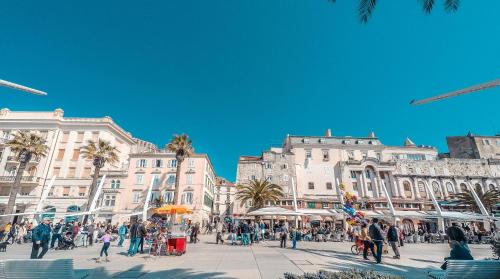
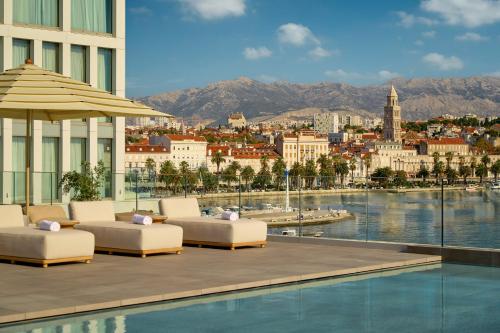
Split is a working Croatian city built inside, on top of and around a Roman emperor's retirement home. People hang laundry from 1,700-year-old walls, kids kick footballs past Roman columns and the best breakfast spot might be a bakery tucked into a medieval doorway. It is also the main ferry hub for the Dalmatian islands, so half the visitors are passing through on their way to Hvar or Brač. That makes the old town busy in summer, but it rewards anyone who stays a few nights instead of a few hours.
It suits couples, friends on a budget, island-hoppers and anyone who wants history and a swim on the same afternoon. Three days is the right amount: one for the palace and old town, one for Marjan Hill and the beaches, and one for a day trip to Trogir, Krka or an island. With two days you will see the centre but rush everything else. With more than four, use Split as a base and spend the extra days on the islands.
What to see in Split: the places worth your time
Diocletian's Palace
This is the reason Split exists. Emperor Diocletian built it around 305 AD, and today it is not a ruin you visit but the old town itself, with about 3,000 people still living inside its walls. Entry to the streets is free, and you can walk the whole thing in an hour, though you will want longer. Our tip: come at 7am, when it is just delivery vans, cats and church bells. By 10am in July the alleys are shoulder to shoulder.
The Peristyle and the Vestibule
The Peristyle is the palace's central courtyard, ringed by granite columns and guarded by a 3,500-year-old Egyptian sphinx Diocletian brought back. Step through into the Vestibule, the round domed hall with an open roof, where klapa groups (traditional Dalmatian a cappella singers) often perform. The acoustics are excellent. It is free; if you stay for a song, drop a couple of euros or buy a CD.
Cathedral of St Domnius and the bell tower
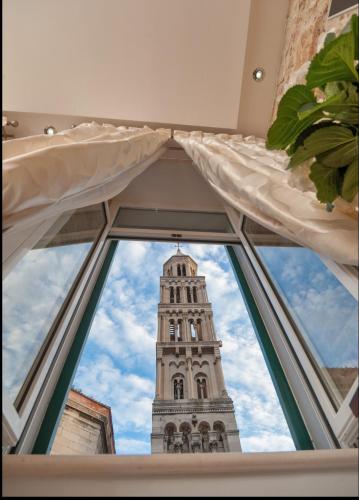
Diocletian built this as his own mausoleum, and in a neat bit of historical revenge it became a cathedral dedicated to a saint he had executed. The combined ticket (cathedral, crypt, treasury, baptistery and bell tower) costs about €10-15. Climb the bell tower: the stairs get narrow and slightly unnerving near the top, but the view over the red roofs, the port and the islands is the best in the old town. Go early, as the tower queue builds fast.
Temple of Jupiter
A short walk west of the Peristyle, down an alley so narrow you can touch both sides, this small temple (later the cathedral's baptistery) has a superb coffered stone ceiling and a statue of St John by Ivan Meštrović. It is included in the cathedral combo ticket. Allow 15 minutes. The alley outside is officially one of the narrowest streets in the city, and it does make a good photo.
Palace substructures (the cellars)
The vaulted basement halls under the palace survived almost intact because medieval residents used them as a rubbish dump, which protected them. Entrance is from the Riva side. The central corridor is free and lined with souvenir stalls; the excavated halls on either side cost about €10. Game of Thrones fans will recognise them as Daenerys's throne room in Meereen. Allow 30-45 minutes, and it is a cool refuge on a hot afternoon.
Gregory of Nin statue and the Golden Gate
Outside the palace's north entrance, the Golden Gate, stands Meštrović's giant bronze of Grgur Ninski, a 10th-century bishop who fought for Mass in Croatian rather than Latin. Rubbing his big toe supposedly brings luck, which is why it shines gold. Free, five minutes. It looks best in late afternoon, when the sun hits the gate.
Narodni trg (Pjaca) and Fruit Square
Just west of the palace walls, Narodni trg, known locally as Pjaca, was the medieval centre of town, paved in white stone and lined with Venetian Gothic buildings and the old town hall. A few steps south, Fruit Square (Trg braće Radić, everyone calls it Voćni trg) has a statue of the poet Marko Marulić and a Venetian tower. Both are free and both cafés charge a premium for the setting. Take a coffee here once, then drink it elsewhere.
The Riva
The waterfront promenade between the palace and the port, lined with palm trees and white café terraces. It is where the whole city comes for the evening walk, the korzo. Free to wander; the cafés charge €3-5 for a coffee, which is fine for people-watching, but do not eat a full meal here (more on that below). Sunset with the ferries sliding out is the time to go.
Marjan Hill
A forested peninsula west of the centre, used by locals for running, walking and swimming. Climb the stone steps from the end of Varoš to Vidilica café-viewpoint (15 minutes, steep), which gives the classic panorama over the old town and port. Keep going to the Telegrin summit (about 45 minutes more) for a view out to the islands. Free. Go early morning or late afternoon; midday in summer is brutal and there is little shade on the steps.
Green Market (Pazar)
The open-air market just east of the palace's Silver Gate sells fruit, vegetables, cheese, dried figs, lavender and cheap clothes. Go in the morning, when locals do their shopping and the produce is freshest. Free to browse; a bag of cherries or figs costs a few euros. It is the best place to buy picnic food for Marjan or a ferry.
Fish market (Peškarija)
On Marmontova street, just west of the old town, Split's fish market runs in the morning and winds down by midday. It smells strongly, though less than you expect, supposedly thanks to a sulphur spring underneath. Free. Even if you are not cooking, it is a good look at what is in season, and it tells you which restaurants nearby are buying fresh.
Meštrović Gallery
Ivan Meštrović was Croatia's greatest sculptor, and this villa he designed on the road to Marjan houses a large collection of his work, with a garden of bronzes facing the sea. Entry is about €10-15, and it often covers the nearby Kaštelet chapel with his wooden reliefs of the life of Christ. Allow 1.5 hours. It is a 25-minute walk along the coast or a short ride on bus 12 from the centre. Few tour groups make it here, which is half the appeal.
Varoš
The old fishermen's and farmers' quarter on the slope west of the centre, all steep stone lanes, small houses and potted plants. It has no headline sights, just the feel of the city before tourism. Free, an hour of wandering, and it leads straight onto the Marjan steps. Some of the better-value konobas are tucked in here too.
Things to do in Split
The palace is the headline, but what makes Split good is how locals use the city: in the sea, on the hill and at the café table.
- Play picigin at Bačvice. This shallow sandy beach, 10 minutes east of the old town, is the home of picigin: people standing waist-deep, keeping a small ball in the air with dramatic dives. Watch, or ask to join.
- Swim on Marjan. Kašjuni beach on the south side of Marjan is pebbly, clear and calmer than Bačvice. Bene, on the north side, has shade and is popular with families.
- Kayak or paddleboard around Marjan. Half-day sea kayak tours run from about €35-45 and stop at coves you cannot reach on foot.
- Do the korzo. Join the evening promenade along the Riva and up Marmontova. It is what the city does every night from about 8pm.
- Watch a Hajduk Split match. The football club is close to a religion here. Poljud stadium tickets are cheap (often €10-25) and the atmosphere is loud.
- Take a cooking class or wine tasting. Dalmatian reds like Plavac Mali and the local Pošip white are worth learning about. Several wine bars in the old town run tastings for €25-40.
- Catch a summer festival. The Split Summer Festival puts on open-air opera and theatre in the Peristyle in July and August. Ultra Europe, a huge electronic music festival, takes over the city in early-to-mid July (book accommodation early or avoid those dates).
Split for free (or almost)
A lot of the best of Split costs nothing. Walking the palace streets, the Peristyle, the Vestibule, the free corridor of the substructures, Pjaca, the Riva, Varoš and the whole of Marjan Hill are all free. So are the beaches: Bačvice, Kašjuni and Bene have no entry fee, though sunbeds cost €15-30 a day in summer.
For almost free, buy bread, cheese, tomatoes and figs at the Green Market and picnic at Vidilica, or listen to klapa in the Vestibule for the price of a tip. A burek (filled pastry) from a bakery costs €3-4 and makes a good breakfast. Tap water is safe to drink, and public fountains around the old town will refill your bottle.
Split itinerary: 3 days
Day 1: Diocletian's Palace and the old town
Morning: Be at the Peristyle by 7:30 before the cruise groups arrive. Climb the cathedral bell tower first, then the cathedral, crypt and Temple of Jupiter. Afternoon: Escape the heat in the substructures, then walk out of the Golden Gate to rub Gregory of Nin's toe. Grab lunch west of the palace, then wander Pjaca and Fruit Square. Evening: Sunset drink on the Riva, then dinner in a konoba in Varoš or on the quieter lanes of the old town's north side.
Day 2: Markets, Marjan and the beach
Morning: Fish market and Green Market, then buy a picnic. Walk up through Varoš to Vidilica and on to Telegrin if you are keen. Afternoon: Descend to Kašjuni for a swim, then walk or take bus 12 to the Meštrović Gallery on the way back. Evening: Picigin at Bačvice as the sun goes down, then drinks at the beach bars in Bačvice or the Firule area.
Day 3: Day trip and a final evening
Morning: Leave early for Trogir, Krka or an island (see day trips below). Afternoon: Explore, swim, eat lunch where you are. Evening: Back in Split for a farewell dinner. If it is summer, check whether there is an open-air performance in the Peristyle.
What is overrated (and what to do instead)
- Eating on the Riva. Prices are high and the food is aimed at people who will never return. Have a coffee there for the view, then eat in Varoš, Matejuška or the back lanes.
- Game of Thrones tours. A few minutes were filmed in the substructures and nearby Klis. Unless you are a serious fan, the regular palace walk with a good historical guide is far more interesting.
- Bačvice at midday in August. It is small, packed and hot. Go early morning or after 6pm, or head to Kašjuni instead.
- The Blue Cave on a peak-season day trip. The cave on Biševo is lovely, but in July and August you can queue in a boat for an hour to see it for a few minutes. If you go, pick May, June or September.
When to visit Split
The best time to visit Split is late May to June or September, when the sea is warm enough to swim (around 20-24°C), the days are sunny, and crowds and prices are lower than in midsummer. July and August are hot (often 30-35°C), very crowded and the most expensive time of year, with cruise ships adding thousands to the old town on some days.
October is still mild and good for sightseeing, though swimming becomes a matter of personal courage. From November to March, Split is quiet, cheaper (accommodation can drop by half) and often rainy, with the bura wind sometimes blowing hard. Many island restaurants and some ferry routes reduce service in winter. For the cheapest flights and rooms with decent weather, aim for April, May or October.
Where to stay in Split: best areas
- Old town (inside or next to the palace): for first-timers who want to walk everywhere. Atmospheric but noisy at night, and you may haul bags up stairs. €120-250 a night in summer for a double, less in spring.
- Varoš: five minutes from the old town, quieter, close to Marjan. Good for couples. €90-180.
- Bačvice and Firule: for beach lovers and those who want nightlife. Close to the ferry and bus stations. €80-170.
- Meje: the leafy, upmarket slope towards Marjan and the Meštrović Gallery. Calm, with sea views. €120-250.
- Žnjan and Spinut: residential areas further out, best for families or tight budgets with a car or bus pass. €60-120.
Hostel beds in the centre run about €25-50 in summer. Apartments are the norm here, and many owners will meet you at the bus station.
What to eat in Split
Dalmatian food is simple and seafood-heavy, built on olive oil, garlic, herbs and good fish. Look for places called konoba (traditional taverns) and check the daily board.
- Pašticada: beef slow-cooked in wine, prunes and spices, served with gnocchi. The signature Split dish.
- Crni rižot: black risotto with cuttlefish ink. Your teeth will be black for a while.
- Buzara: mussels or scampi cooked in wine, garlic and breadcrumbs. Mop up the sauce with bread.
- Peka: lamb or octopus slow-baked under an iron bell in embers. Many konobas need you to order it a day ahead.
- Grilled fish: sold by the kilo. Ask the weight and price before it hits the grill.
- Soparnik: a thin Swiss chard pie from the hinterland, good as a snack.
- Fritule: little fried doughnuts, often with sugar and lemon zest.
Our tip: gablec (or marenda), the cheap daily lunch menu locals eat, usually a stew or fish dish for €8-12. A normal sit-down lunch costs €15-25, and a dinner with wine at a good konoba €30-50 per person. Grilled fish dinners can easily reach €60-80. Local house wine is often good and cheap.
Airport to city centre and getting around
Split Airport is about 25 km west of the city, near Trogir. The easiest way into town is the airport shuttle bus, which runs to the main bus station by the port in about 30-40 minutes for roughly €8-10. Local bus 37 is cheaper (around €4-5) and stops on the main road outside the airport, but it is slow and ends at the suburban station north of the centre. A taxi or Uber costs about €35-50 and takes 30 minutes without traffic.
In town, you will walk almost everywhere. The old town is pedestrian-only. Promet Split runs the city buses (single ticket about €1-2 inside the city zone), useful for Meštrović Gallery, Klis or Poljud. Uber and Bolt both work and are usually cheaper than street taxis. Ferries and catamarans to the islands leave from the port beside the old town, run by Jadrolinija and private companies like Kapetan Luka and TP Line.
How much a trip to Split costs
- Shoestring: €60-90 a day. Hostel bed, bakery breakfast, market picnic or gablec lunch, cheap dinner, free sights and beaches, one paid attraction.
- Mid-range: €150-250 a day per person. Double room or apartment shared, sit-down lunch and dinner with wine, a couple of paid sights, a day trip or ferry.
- Extras to budget for: island catamaran €10-30 each way, Krka entry €20-40 in summer, organised boat tours €60-120.
Croatia uses the euro, and summer prices are now close to Western Europe. Out of season, everything gets noticeably cheaper.
Day trips from Split
- Trogir: a tiny walled town on an island, full of Romanesque and Renaissance buildings and the excellent Cathedral of St Lawrence. Bus 37 takes about 50 minutes; in summer a boat from the Riva takes about an hour. Allow half a day.
- Krka National Park: waterfalls and wooden walkways over lakes, about 1-1.5 hours by car or tour bus. Swimming under the falls is no longer allowed. Go early and check the seasonal ticket prices.
- Hvar Town: the glamorous island harbour with a fortress, lavender and expensive cocktails. Catamaran about 1 hour. Full day.
- Bol on Brač: home to Zlatni Rat, the famous pointed pebble beach. Catamaran to Bol about 1 hour, or car ferry to Supetar (50 minutes) and a bus across the island. Full day.
- Klis Fortress: a dramatic medieval fortress on a ridge above Split, about 20-30 minutes on bus 22. Half a day, and the view over Split is superb.
Common mistakes and scams
- Wearing swimwear in the old town. Split fines people walking around shirtless or in bikinis in the centre. Cover up off the beach.
- Using standalone ATMs. The blue and yellow Euronet machines charge high fees and push bad conversion rates. Use bank ATMs and always pay in euros, not your home currency.
- Not asking the price of fish. Fresh fish is priced per kilo, and a big one can turn a €40 dinner into a €120 one.
- Not booking ferries in summer. Catamarans to Hvar and Bol sell out in July and August. Buy online a few days ahead, and arrive early for car ferries.
- Unmetered taxis at the port and bus station. Agree a price or use Uber or Bolt.
- Visiting the palace at 11am on a cruise day. Check cruise schedules and sightsee early or late.
Split FAQ
How many days do you need in Split?
Three days is ideal: one for Diocletian's Palace, one for Marjan Hill and the beaches, and one for a day trip. Two days works if you are heading on to the islands.
Is Split worth visiting?
Yes. A Roman palace that people still live in is rare anywhere, and Split pairs it with beaches, good food and easy island access.
Is Split expensive?
In July and August, it is close to Western European prices, especially for accommodation and seafood. Spring and autumn are much better value, and markets and lunch menus keep food costs down.
Can you swim in Split?
Yes. Bačvice is the sandy town beach, while Kašjuni and Bene on Marjan Hill have clearer water and fewer people. The sea is warm enough from June to early October.
How do I get from Split airport to the city?
The airport shuttle bus takes 30-40 minutes to the port bus station for about €8-10. Taxis and Uber cost around €35-50.
Is Split or Dubrovnik better?
Split is cheaper, more of a lived-in city and better for island-hopping. Dubrovnik has the more famous walls but is pricier and more crowded per square metre.
Do you need a car in Split?
No. The centre is walkable and buses and ferries cover the main day trips. A car only helps for Krka or exploring the coast on your own schedule.
Photo: Matti Blume · CC BY-SA 4.0 · Wikimedia Commons · Guide updated 21 Nov 2026