Luxembourg City is smaller, steeper and much prettier than most people expect. It's a banking capital built on top of a medieval fortress, with an upper town of cobbled squares and cafés and deep green river valleys below where old stone neighbourhoods line the Alzette. In twenty minutes you can walk from bankers in suits at Place d'Armes to ducks paddling past the Neumünster Abbey. It's clean, safe, multilingual (Luxembourgish, French, German, and English works everywhere) and expensive. That last part matters.
The city suits couples, slow walkers, history fans and anyone tacking on a short stop between Brussels, Paris and the Rhine. It doesn't suit party seekers or travellers on a tight budget. Two days is the right amount of time: one for the old town and fortifications, one for the valleys, museums and Kirchberg. Add a third day if you want Vianden or the Mullerthal, which we recommend.
What to see in Luxembourg: the places worth your time
Chemin de la Corniche
This is the single best walk in the city. The rampart path runs along the old walls above the Grund, and the Council of Europe once called it "the most beautiful balcony in Europe". That's a stretch, but not by much. It's free and takes 20-30 minutes at a stroll. Our tip: walk it from Plateau du Saint-Esprit towards the Bock early in the morning, when the light hits the valley and the tour groups haven't arrived.
Bock Casemates
The Casemates are a network of tunnels cut into the rock under the old fortress, used for defence and as shelters during the Second World War. They're damp, atmospheric and full of gun holes with dramatic views over the Alzette. Expect about €8-10 and 45 minutes. The casemates usually close in winter and sometimes for renovation, so check the hours before you plan your day around them. The Pétrusse Casemates are the smaller alternative and are usually visited on guided tours.
Grund
Grund is the old lower town by the river, with stone houses, footbridges and a handful of pubs. Walk down from the Corniche, or take the free public lift from Plateau du Saint-Esprit. Allow an hour to wander, longer if you stop for a drink. It's at its best in the evening, when the walls are lit and locals take over the terraces.
Neumünster Abbey
This former abbey in Grund, later used as a prison, is now a cultural centre with exhibitions, concerts and a café terrace by the river. Entry to the courtyard and most exhibitions is free. Twenty minutes is enough unless something is on. The view up to the Corniche from the bridge beside it is the classic postcard shot.
Place Guillaume II and the Grand Ducal Palace
Place Guillaume II, which locals call the Knuedler, is the main square. It hosts markets on Wednesday and Saturday mornings. Round the corner, the Grand Ducal Palace on Rue du Marché-aux-Herbes is a striking Renaissance facade with guards out front. Inside visits only run in summer through the tourist office, they sell out, and cost about €15-20. From outside, ten minutes is plenty.
Notre-Dame Cathedral
The cathedral is a late Gothic church with Renaissance touches, plus a crypt holding the grand ducal tombs. It's free and takes 20 minutes. It's worth a look for the stained glass and the quiet, but it won't knock you over if you've just come from Cologne or Reims.
Pfaffenthal panoramic lift
The glass lift drops 70 metres from the Pescatore park area in the upper town down to Pfaffenthal, and the platform at the top hangs out over the valley. It's free, takes five minutes, and has one of the best viewpoints in Luxembourg. Combine it with the funicular on the other side of the valley up to Kirchberg, also free.
Adolphe Bridge and the Pétrusse Valley
The Pont Adolphe is a big stone arch bridge from the early 1900s. It's also the city's best free photo, ideally seen from the Pétrusse valley below. Under the road deck there's a suspended cycle and pedestrian path. The valley itself is a long green park, good for a 45-minute walk between the old town and the Gare area.
Lëtzebuerg City Museum
If you only visit one museum, choose this one. It tells the city's story from Roman times to the bank towers, and a huge glass lift overlooks the valley. Tickets are about €5 and you'll need 1-1.5 hours. Go here before the casemates and the fortress layout suddenly makes sense.
National Museum of Archaeology, History and Art (MNAHA)
It sits on the Fish Market, the oldest corner of town. The collections run from Gallo-Roman mosaics to modern art, and the permanent galleries are generally free. Allow 1-2 hours. It's a strong rainy-day option.
Fort Thüngen and the Dräi Eechelen Museum
The restored fortress in Kirchberg is nicknamed "Three Acorns" after the stone acorns on its towers. The museum covers the fortress history and is cheap or free depending on exhibitions. It's next door to MUDAM, so do them together. The walk over from Pfaffenthal is short but steep.
MUDAM
The contemporary art museum was designed by I. M. Pei, the Louvre pyramid architect. The building is arguably more impressive than many of the shows. Entry is about €8-10 and a visit takes 1-1.5 hours. The café is good. Skip it if contemporary art leaves you cold.
Kirchberg and the Philharmonie
Kirchberg is the European quarter, home to the EU institutions, glass towers and the white-columned Philharmonie. As a neighbourhood it's sterile, but the architecture is interesting for half an hour and concert tickets can be surprisingly affordable. The tram runs straight through it.
Things to do in Luxembourg
Once you've seen the walls and the valleys, these are the experiences that make a short trip feel like more than a checklist.
- Drink Crémant on a terrace in Grund or Clausen. Crémant de Luxembourg is the local sparkling wine and costs about €8-10 a glass. It's excellent value compared with Champagne.
- Go on a pub crawl through Rives de Clausen. This is a former brewery site turned bar strip, busy on Friday and Saturday nights.
- Browse the Saturday market on Place Guillaume II. You'll find local cheese, sausages, flowers and Moselle wine.
- Take a free ride across the country. Trains, buses and trams are free for second class, so a day in the countryside costs nothing to get to.
- See a concert at the Philharmonie or Neumünster. Check the programme before you go.
- Cycle the valleys with the public Vel'OH! bikes. Short rides are cheap, and the river paths are flat even though the city isn't.
- Time your trip for Schueberfouer. This huge funfair runs from late August into early September and is a local institution, with rides, grilled fish and Gromperekichelcher.
- Visit in December for the Winterlights markets around Place d'Armes and Place de la Constitution, which are less overwhelming than the big German ones.
Luxembourg for free (or almost)
Luxembourg is expensive, but a lot of the best stuff is free. Nearly everything you'd want to do on foot costs nothing:
- All public transport in second class: trains, buses, trams, the funicular and the lifts.
- The Chemin de la Corniche, the Grund, the Pétrusse valley and the views from Place de la Constitution, where the Gëlle Fra monument stands.
- Notre-Dame Cathedral and the courtyard of Neumünster Abbey.
- The permanent collections at MNAHA.
- The Pfaffenthal panoramic lift.
- Wenzel's Circular Walk, a signposted loop through the fortifications and valleys that takes about 1.5-2 hours.
The Luxembourg Card (roughly €15-20 for one day, a little more for two or three) covers dozens of museums and attractions across the country. It only pays off if you're doing three or more paid sights in a day or heading to Vianden castle.
Luxembourg itinerary: 2 days
Day 1: Old town and fortifications
Morning: Start at Place d'Armes, then walk to Place Guillaume II and the Grand Ducal Palace. Spend an hour in the Lëtzebuerg City Museum to get your bearings.
Afternoon: Head to the Fish Market and MNAHA if you're in a museum mood. Then visit the Bock Casemates, walk the Chemin de la Corniche, and descend into Grund. Have coffee at Neumünster Abbey.
Evening: Have dinner and drinks in Grund. Walk back up via the lift at dusk to see the walls lit up.
Day 2: Valleys, bridges and Kirchberg
Morning: Walk from Place de la Constitution down into the Pétrusse valley and under the Adolphe Bridge. Loop back up to the cathedral.
Afternoon: Take the Pfaffenthal lift down, cross the valley, and ride the funicular up to Kirchberg. Visit Fort Thüngen and MUDAM, then return by tram.
Evening: Have drinks at Rives de Clausen, or catch a concert at the Philharmonie if you booked one.
If you have a third day, go to Vianden or the Mullerthal (see day trips below).
What is overrated (and what to do instead)
- The Gëlle Fra monument. It's a fine memorial with the best viewpoint in town, but people expect a landmark and find a gilded statue on a column. Spend the time in the valley under it instead.
- The palace interior tour. It's expensive, summer-only and booked out. You'll get more from the City Museum.
- Eating on Place d'Armes. The terraces charge a premium for average food. Walk five minutes into the side streets or down to Grund.
- The tourist "petit train". It's pricey for a short loop. The free lifts and funicular give better views.
When to visit Luxembourg
The best time is May to September, when the terraces are open, the casemates are running and the valleys are green. Summer highs sit around 22-25°C, and the weather is pleasant rather than hot. June is our favourite month. The National Day on 23 June brings fireworks and street parties.
Winter is cold, grey and often wet, but the Christmas markets help. Some sights reduce their hours or close entirely. The city is a business destination, so weekday hotel prices are often higher than weekend prices. This is the opposite of most capitals. Weekends in spring and autumn are the cheapest and quietest. August is calm because locals go on holiday, but some restaurants close.
Where to stay in Luxembourg: best areas
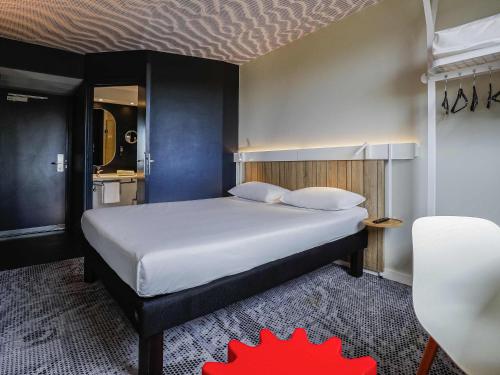
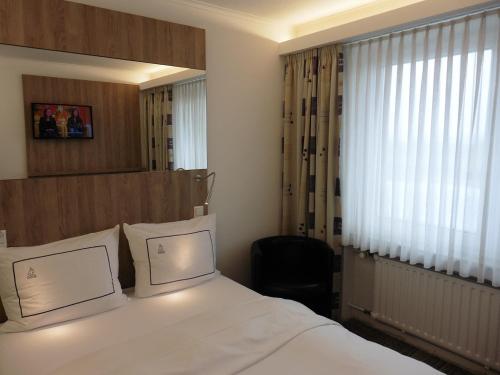
- Ville Haute (old town): This is the most convenient area, with everything walkable. It suits first-timers. Expect about €150-250 a night for a mid-range hotel.
- Grund: It's atmospheric, with few hotels and lovely evenings. The catch is the steep walk back up, although the lift helps. Expect about €140-220.
- Gare: This area has the best budget and mid-range choice and is next to the station. It's 15 minutes on foot or one tram stop to the old town. The streets right around the station feel seedy at night. Expect about €100-160.
- Kirchberg: This is business-hotel land. It's quiet and lifeless in the evening, but weekend deals can be good. It's on the tram line. Expect about €110-180.
- Limpertsberg and Belair: These are residential, calm areas with apartments and a few small hotels. They suit longer stays. Expect about €110-170.
The youth hostel in Pfaffenthal is the cheapest decent bed in the city, with dorms at roughly €35-45.
What to eat in Luxembourg
The local cuisine is hearty, somewhere between German and French, with very good wine from the Moselle. These are the dishes to order:
- Judd mat Gaardebounen: smoked pork collar with broad beans in cream sauce. This is the national dish.
- Bouneschlupp: green bean soup with potatoes and bacon.
- Gromperekichelcher: crispy potato fritters with apple sauce. These are a fairground and market classic.
- Kniddelen: flour dumplings with bacon and cream.
- Rieslingspaschtéit: pork pie set with Riesling jelly. You'll find it at bakeries.
- Quetschentaart: plum tart, best in late summer.
- To drink: Crémant, Moselle Riesling or Auxerrois, and local beers like Bofferding, Diekirch and Simon.
Prices hurt. A lunch "plat du jour" costs about €15-22 and is the best-value meal in the country. Dinner for two with wine in a mid-range place runs about €80-120. A beer is €5-7 and a coffee €3-4. For cheap eats, use bakeries, supermarket food halls and the Cloche d'Or or Kirchberg malls. Tipping is not expected beyond rounding up.
Airport to city centre and getting around
Luxembourg Airport (Findel) is only about 6 km from the city, and the trip is free by public transport. Your options:
- Bus 16 runs to the centre and Gare. It takes about 20-30 minutes and is free.
- Tram: the tram line was being extended to the airport. Check whether it's running when you travel. If it is, it's free and the easiest option.
- Taxi: taxis in Luxembourg are notoriously expensive. Expect about €30-40 to the centre.
Getting around is easy. All trains, buses and trams are free nationwide in second class. You don't need a ticket, a pass or an app. The tram runs from the Gare area through the centre to Kirchberg. The free lifts and the Pfaffenthal funicular solve most of the hills. You can walk the old town in a morning.
How much a trip to Luxembourg costs
- Shoestring: about €80-110 a day. That covers a hostel bed (€35-45), supermarket and bakery food plus one plat du jour, free transport and free sights.
- Mid-range: about €200-300 a day per person, sharing a double. That covers a hotel (€150-220 a room), lunch, a sit-down dinner with wine, and one or two paid attractions.
- Extras: casemates €8-10, City Museum about €5, Luxembourg Card €15-20, a glass of Crémant €8-10.
Day trips from Luxembourg
The country is small and the trains and buses are free, so day trips are the best value of the whole trip.
- Vianden: a fairytale castle above a river village. Take the train to Ettelbruck, then a bus, for about 1 hour each way. Castle entry is about €10-12. This is the best day trip in the country.
- Mullerthal and Echternach: nicknamed "Little Switzerland", it has sandstone gorges, mossy forest trails and the abbey town of Echternach. It's about 45-60 minutes by bus. Bring proper shoes.
- The Moselle wine route: visit Remich and Schengen, where the agreement was signed, and taste Crémant at the cooperatives. It's about 45 minutes by bus. Ideal in late summer and early autumn.
- Clervaux: a hill town with a castle housing The Family of Man photo exhibition, which is on UNESCO's Memory of the World register. It's about 1 hour by train.
- Trier, Germany: Germany's oldest city, with the Porta Nigra and Roman ruins. It's about 50 minutes by train. Cross-border tickets are not free, so expect roughly €10-20 return.
Common mistakes and scams
Luxembourg is one of the safest places in Europe, so the risks are mostly to your wallet and your schedule:
- Buying transport tickets. You don't need them. Only first class and cross-border trips cost money. Ignore anyone suggesting otherwise.
- Taking a taxi from the airport out of habit. The free bus is fast.
- Arriving on a Sunday expecting to shop. Many shops close and some restaurants shut on Sunday and Monday.
- Underestimating the hills. Use the lifts and the funicular, and wear decent shoes.
- Booking weekday hotels without comparing weekend rates, which are often noticeably cheaper.
- Wandering around Gare late at night. It isn't dangerous, but there's some drug-related activity near the station, so stay alert.
- Assuming the casemates are open. They close seasonally and for works, so check before planning around them.
Luxembourg FAQ
How many days do you need in Luxembourg?
Two days is enough for Luxembourg City. Add a third day for Vianden or the Mullerthal.
Is public transport really free in Luxembourg?
Yes. Trains, buses and trams are free nationwide in second class, including from the airport. Only first class and cross-border journeys cost money.
Is Luxembourg expensive for tourists?
Yes, especially for hotels and restaurants. Free transport, free walks and lunch menus bring the costs down a lot.
What language do they speak in Luxembourg?
Luxembourgish, French and German are all official. English is widely spoken in the city.
Is Luxembourg worth visiting?
Yes, for a short trip. The fortress setting and valleys are genuinely spectacular, and the countryside is easy to reach for free.
What is Luxembourg famous for?
It's known for its UNESCO-listed old town and fortifications, banking, EU institutions, Moselle wines and castles like Vianden.
Can you do Luxembourg as a day trip?
You can see the old town, the Corniche and Grund in a day from Brussels or Metz. You'll miss the evenings, which are the best part.
Is Luxembourg safe?
Very. Just use normal caution around Gare at night.
Photo: Wikipedia · · Wikimedia Commons · Guide updated 21 Nov 2026