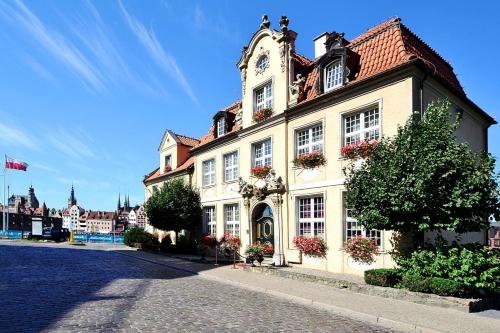
Gdansk is a port city on the Baltic that was almost completely flattened in 1945 and rebuilt brick by brick, and you can feel both of those facts on every street. The Main Town looks like a Hanseatic postcard: tall, narrow merchant houses painted mint and mustard, a brick crane on the river, church towers everywhere. A short walk north are the cranes of the shipyard where Solidarity started and helped bring down communism in Europe. That mix of pretty and serious is what makes it more interesting than most "cute old town" weekends.
It suits history fans, couples, beer drinkers and anyone who wants a cheap-ish city break with a beach on the side, because Sopot and the sea are 20 minutes away by train. You need 3 days: one for the Main Town, one for the two big museums and the shipyard, and one for Westerplatte, Oliwa and Sopot. Two days works if you skip the seaside. Five is too many unless you add Malbork and the Hel Peninsula.
What to see in Gdansk: the places worth your time
Long Lane and Long Market (Ulica Długa and Długi Targ)
This is the Royal Way, the main street of the Main Town, running from the Golden Gate to the Green Gate on the river. It is the most photographed half-kilometre in Poland, lined with rebuilt merchant houses, and it is free. Walk it once by day and once after dark, when the façades are lit and the tour groups have gone. Allow an hour, more if you stop at every doorway.
Neptune's Fountain and Artus Court
The bronze Neptune in the middle of Long Market is the city's symbol, and the building behind him, Artus Court, was where rich merchants met to drink and do business. Inside is one of the largest tiled stoves in Europe, almost 11 metres tall. Entry is around PLN 20-25 (about €5). Give it 30-45 minutes and go early, before the square fills up.
Main Town Hall and its tower
The town hall, with its slim Gothic spire, holds the Museum of Gdańsk and the lavish Red Room, the old council chamber with a painted ceiling. The tower is open in the warmer months and is the best view over Long Market. Expect about PLN 25-35 (€6-8) for museum and tower, around an hour inside.
St Mary's Basilica
One of the largest brick churches in the world, and the scale only hits you once you are inside the bare white nave. Look for the 15th-century astronomical clock behind the altar. The real reason to come is the tower: about 400 steps, a modest fee (around PLN 20, €5) and the best panorama in the city, with the red roofs, the river and the shipyard cranes beyond. Climb it on a clear morning, not a hazy afternoon.
Mariacka Street
The prettiest street in Gdansk runs from St Mary's to the river, with stone terraces (called "przedproża") in front of each house and gargoyle drainpipes. It is lined with amber shops. Walking it is free and takes 10 minutes, but come before 9 am or late evening if you want photos without crowds.
The Crane (Żuraw) and the Motława riverfront
The medieval wooden-and-brick port crane, once powered by men walking inside giant wheels, is the city's other icon. It belongs to the National Maritime Museum, and a ticket is around PLN 20-25 (€5). The riverfront promenade (Długie Pobrzeże) is free and best at sunset from the Granary Island side, looking back at the Crane.
Museum of the Second World War
The best museum in Gdansk and one of the strongest war museums in Europe. The main exhibition is underground and covers the war through civilians as much as soldiers, including occupation, deportations and the Holocaust. Tickets are around PLN 30-35 (€8), and there is usually a free day each week, so check before you go. Allow 3-4 hours minimum; people regularly run out of time. Our tip: start here in the morning and leave the afternoon light.
European Solidarity Centre and the shipyard
The rusty, ship-hull-shaped building next to the shipyard gates tells the story of Solidarity, Lech Wałęsa and the strikes of 1980. The exhibition costs around PLN 30-35 (€8) and takes 2 hours. Outside, see Gate No. 2, the Monument to the Fallen Shipyard Workers (three tall crosses with anchors) and the BHP hall where the August Agreements were signed. The free rooftop terrace has a good view over the cranes.
Westerplatte
The peninsula where the first shots of WWII were fired on 1 September 1939. Today it is ruined guardhouses, a short trail and a large monument on a mound. It is free and moving rather than spectacular, so allow 1.5-2 hours. Getting there by boat from the Motława (around PLN 70-90 return, €16-20) is half the fun; the city bus is much cheaper and quicker.
Granary Island (Wyspa Spichrzów)
Across the river from the Crane, this island was a heap of war ruins for decades and has been rebuilt as hotels, restaurants and flats. It is free to wander, and the riverside here has the classic view of the Main Town. The AmberSky Ferris wheel is around PLN 40 (€9): fine, but St Mary's tower gives a better view for less.
Amber Museum and the Foregate
Housed in the old Prison Tower and Torture House next to the Golden Gate, this museum explains Baltic amber with inclusions (trapped insects and plants) and some wildly ornate pieces. Around PLN 25-30 (€6-7), about an hour. Worth doing before you shop for amber, so you know what you are looking at.
Oliwa Cathedral and Park
In the northern district of Oliwa, this cathedral is known for its huge Rococo organ, with moving angels and stars. Short organ recitals are held most days in season for a few złoty; check the schedule. The French-style park next door is free and lovely in spring. Allow 1.5 hours, and combine it with Sopot as both are on the same train line.
Things to do in Gdansk
The sights cover the history. These are the things that make the trip feel like more than a museum crawl.
- Spend a beach afternoon in Sopot. Wide white sand, a 500-metre wooden pier and seaside Belle Époque villas, 20 minutes by SKM train.
- Take a boat on the Motława. Pirate-style galleon replicas run short trips; touristy but fun, about PLN 40-60 (€10-14).
- Drink local craft beer. Poland's craft scene is excellent and cheap. Look for multi-tap bars in the Main Town and around Wrzeszcz, where a pint is PLN 18-25 (€4-6).
- Browse the Market Hall (Hala Targowa). Near St Catherine's Church, with smoked fish, cheese, sausages and pickles upstairs, and a medieval excavation visible in the basement.
- Climb Grodzisko hill. Old fortifications above the main station, home to the Hevelianum science centre, with a free viewpoint over the whole city.
- Taste Goldwasser. Gdansk's herbal liqueur with flakes of gold leaf. Have one shot for the story; it is sweet.
- Go to St Dominic's Fair. If you are here from late July into August, this huge open-air market takes over the old town for three weeks.
Gdansk for free (or almost)
Most of the best of Gdansk costs nothing, because the city itself is the attraction.
- Walking the Royal Way, Mariacka Street, the riverfront and Granary Island.
- St Mary's Basilica (the nave is free; only the tower costs).
- The shipyard gates, the Solidarity monument and the free ECS rooftop.
- Westerplatte, which is free once you are there; the bus costs a few złoty.
- Grodzisko hill viewpoint.
- Oliwa Park.
- Sopot beach, though the pier charges a small fee in season.
- Museum free days: several city museums have one free day a week, so check the websites when planning your days.
Gdansk itinerary: 3 days
Day 1: Main Town
Morning: Start at the Golden Gate and walk Long Lane to Long Market. Do the Main Town Hall and Artus Court before 11 am. Then climb St Mary's tower.
Afternoon: Pierogi lunch, then Mariacka Street, the Crane and across the footbridge to Granary Island. Fit in the Amber Museum if you have energy.
Evening: Sunset from the Granary Island side of the river, dinner off the main drag, then a craft beer bar.
Day 2: WWII and Solidarity
Morning: Museum of the Second World War, arriving at opening. Bring patience and a snack.
Afternoon: Walk 15 minutes north to the Polish Post Office (a small museum on the 1939 defence) and on to the European Solidarity Centre, the shipyard gates and the monument.
Evening: Market Hall area for a drink, or the shipyard's post-industrial bars and venues around the old docks.
Day 3: Westerplatte, Oliwa and Sopot
Morning: Bus or boat to Westerplatte. Return to the centre, then take the SKM train north.
Afternoon: Get off at Gdańsk Oliwa for the cathedral organ and the park, then continue to Sopot for the beach, the pier and Monte Cassino street.
Evening: Fish dinner in Sopot and a train back. SKM runs late, but check the last train.
What is overrated (and what to do instead)
- Eating on Long Market. The terraces have the view and the worst value: bland pierogi at double the price. Walk two streets away, towards the Market Hall or Ogarna street, and eat better for less.
- The AmberSky Ferris wheel. It is pricey for a view that is lower and less interesting than St Mary's tower. Climb the tower instead.
- Amber shopping on Mariacka. Gorgeous street, inflated prices, and plenty of mass-produced pieces. Visit the Amber Museum first, buy from shops that give certificates, and compare on less central streets.
- The galleon "pirate ship" cruise to Westerplatte as a plan for the whole morning. It is fun for kids but slow. If time is tight, take the bus out and save the boat for a short evening trip.
When to visit Gdansk
The best months are May, June and September: 15-22°C, long days, Sopot warm enough for the beach and hotels not yet at peak prices. July and August are the warmest (around 20-25°C) and busiest, with St Dominic's Fair and full trains to Sopot; book ahead and expect higher prices.
From November to March it is grey, windy and often 0-5°C, but hotels drop sharply and the museums are just as good. The Christmas market on Targ Węglowy in December is worth it. The cheapest and quietest months are January to March. The Baltic is cold year-round, so only expect a real swim in July and August.
Where to stay in Gdansk: best areas
- Main Town (Główne Miasto): for first-timers who want to walk everywhere. Mid-range hotels and apartments are €70-140 a night; hostels €15-25 for a bed. Noisy on summer weekends.
- Granary Island and the riverfront: newer, stylish hotels and aparthotels with river views, €90-180. Best for couples.
- Old Town (Stare Miasto): just north, near the Market Hall and shipyard, slightly cheaper (€60-110) and still 10 minutes on foot from Long Market.
- Wrzeszcz: a residential district with cafés and bars, on the train line between the centre, the airport and Sopot. Good value at €45-80, best for repeat visitors or longer stays.
- Sopot: for a beach holiday with a city day trip, not the reverse. Pricey in summer (€100-200), quiet and cheap in winter.
What to eat in Gdansk
Polish food is hearty and cheap, and Gdansk adds Baltic fish. Start with pierogi: try ruskie (potato and cheese), meat, or seasonal blueberry ones in summer. Order żurek, a sour rye soup with sausage and egg, often served in a bread bowl, and herring (śledź) in oil or cream with onion and a shot of vodka. Along the coast, look for smoked fish like mackerel and flounder, fried cod and fish soup.
Other worthwhile orders are placki ziemniaczane (potato pancakes), kotlet schabowy (breaded pork) and, for something sweet, gofry (waffles) in Sopot or a pączek doughnut. For cheap eats, find a milk bar (bar mleczny), the canteens of communist days, where soup and a main can cost under PLN 30 (€7). Pierogarnia Mandu is a well-known pierogi spot, with queues to prove it.
Rough costs: lunch in a milk bar is PLN 25-35 (€6-8). A sit-down lunch is PLN 50-70 (€12-16). Dinner with a drink in a decent restaurant is PLN 100-150 (€23-35) per person. A local beer is PLN 15-25 (€3.50-6).
Airport to city centre and getting around
Gdańsk Lech Wałęsa Airport is about 12 km west of the centre, and the cheapest route in is public transport for a few euros.
- PKM train: from the airport station to Gdańsk Wrzeszcz, then change to SKM or a regional train to Gdańsk Główny. About 30-40 minutes total, around PLN 5-8 (€1-2). The easiest option for Sopot too.
- Bus 210: direct to the main station area, about 35-45 minutes depending on traffic, using a regular ZTM ticket (around PLN 5, €1).
- Taxi or Bolt/Uber: 20-30 minutes, PLN 60-90 (€14-20). Use the apps or the official rank.
In the city, the Main Town is walkable. Trams and buses (ZTM) cover the rest; buy tickets from machines, by contactless card on board, or in apps like Jakdojade. A 24-hour ticket is around PLN 15-20 (€4), and there are Tricity tickets covering Gdynia as well. The SKM commuter train links Gdańsk, Oliwa, Sopot and Gdynia every 10-15 minutes and is the backbone for day trips; validate paper tickets before boarding.
How much a trip to Gdansk costs
Poland uses the złoty (PLN); €1 is roughly PLN 4.2-4.3. Gdansk is cheaper than Western Europe but pricier than inland Poland, especially in summer.
- Shoestring: €40-55 a day, covering a hostel bed (€15-25), milk bars and market food (€12-15), public transport (€3) and one museum or the tower (€5-8).
- Mid-range: €100-150 a day, covering a double room in the Main Town (€70-120 split by two), restaurant lunch and dinner (€35-45), two museums (€15), beers and the train to Sopot.
- Extras: a Malbork day trip runs €25-35 with train and ticket, and the boat to Westerplatte €16-20.
Day trips from Gdansk
- Malbork Castle: the largest brick castle in the world, built by the Teutonic Knights. Trains from Gdańsk Główny take 30-50 minutes. Tickets with audio guide are around PLN 70-80 (€17-19), and you need 3-4 hours inside. This is the best day trip, so go early.
- Sopot: 20 minutes on the SKM. Expect the pier, the beach, the Crooked House on Monte Cassino street and spa-town villas. Allow half a day.
- Gdynia: 35 minutes on the SKM, a 1920s modernist port city. Visit the museum ship ORP Błyskawica, the tall ship Dar Pomorza, and the Emigration Museum. Allow half a day.
- Hel Peninsula: a thin strip of sand, pine forest and fishing villages. In summer, take the ferry from Gdansk or Gdynia (about 1.5-2 hours) or the train (2+ hours). Allow a full day, and visit only in season.
Common mistakes and scams
- Accepting payment in euros on the card machine. Always choose to pay in PLN. "Your home currency" means a bad exchange rate.
- Changing money at the airport kantor. Rates are poor. Use a card or a kantor in town, and compare buy and sell rates.
- Using the Euronet cash machines. The blue ATMs charge high fees. Use bank ATMs and decline the conversion.
- Buying fake amber. Pressed amber and plastic are common at stalls. Ask for a certificate and avoid "bargains" on the street.
- Taking unofficial taxis. Use apps or marked city taxis with the price list displayed.
- Forgetting to validate train tickets. SKM inspectors fine tourists regularly, so validate paper tickets before boarding.
- Underestimating the WWII museum. Booking it for an hour before lunch is a classic mistake.
Gdansk FAQ
How many days do you need in Gdansk?
Three days is ideal: one for the Main Town, one for the WWII museum and the shipyard, one for Westerplatte, Oliwa and Sopot. Add a fourth for Malbork Castle.
Is Gdansk worth visiting?
Yes. It combines one of the prettiest rebuilt old towns in Europe with two world-class museums and a beach 20 minutes away, at lower prices than most Western cities.
Is Gdansk expensive?
It is moderate. A mid-range traveller spends around €100-150 a day; it is pricier in July and August and noticeably cheaper in winter.
Can you use euros in Gdansk?
Not really. Poland uses the złoty, and while a few tourist places accept euros, the rate is bad. Cards are accepted almost everywhere.
Should I stay in Gdansk or Sopot?
Stay in Gdansk for sightseeing and visit Sopot by train. Choose Sopot only if a summer beach holiday is the main goal.
How do you get from Gdansk to Malbork?
Take a train from Gdańsk Główny; it takes 30-50 minutes, and the castle is a 15-minute walk from Malbork station.
Is Gdansk safe for tourists?
Yes, it is very safe. Watch for pickpockets on crowded Long Market in summer and for card-conversion tricks, which are the main risks.
What is Gdansk famous for?
It is known for amber, its Hanseatic old town, the first battle of WWII at Westerplatte and the Solidarity movement born in its shipyard.
Photo: Scotch Mist · CC BY-SA 4.0 · Wikimedia Commons · Guide updated 21 Nov 2026