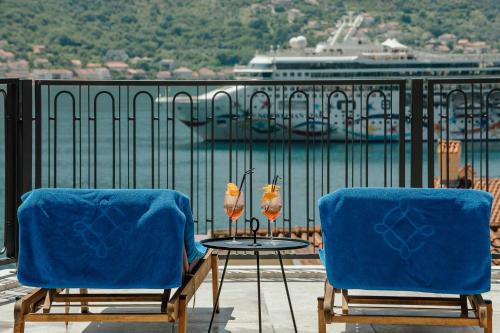
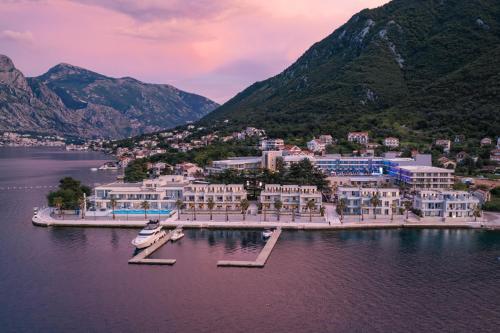
Kotor is a small walled town of marble lanes squeezed between a fjord-like bay and a mountain so steep it looks painted on. The old town takes about an hour to cross even if you stop for every cat. The appeal is the setting: the fortress walls zigzagging up the cliff, the water below and the villages strung along the shore. It suits couples, hikers, photographers and anyone flying into Tivat on a cheap fare. It is less suited to people who hate crowds and come in August on a day when three cruise ships are in port.
You need 3 days. One day covers the old town and the fortress, one covers Perast and the bay, and one covers the mountain road to Lovćen and Njeguši. With only two days you can do it, but you will be rushing. Stay longer and Kotor makes a good base for Budva, Herceg Novi and even Dubrovnik.
What to see in Kotor: the places worth your time
Kotor Old Town (Stari Grad)
The old town is a UNESCO-listed triangle of Venetian-era palaces, churches and squares, and it is free to wander. Enter through the Sea Gate (the main gate, facing the harbour) and leave through the North Gate by the Škurda river. Allow 2-3 hours with stops. Our tip: walk it before 9am or after 6pm, when the cruise groups are gone and the stone is quiet enough to hear your footsteps.
The fortress walls and St John's Fortress (San Giovanni)
This is the single best thing to do in Kotor: climb roughly 1,350 steps up the walls to the ruined fortress about 260 metres above town. The view over the bay is the one on every postcard. Expect 1.5-2.5 hours round trip and a ticket of about €15 in season. Go at opening time in summer (the climb is fully exposed and brutal by 11am) or for the last hour before sunset, and bring water, because the vendors up top charge double.
Church of Our Lady of Remedy
This small church sits about halfway up the fortress climb on a rocky ledge, and it is the natural rest stop. You don't need a separate ticket because it is part of the wall walk. Spend 10 minutes here. If your knees give up, this is the point where you can turn back and still feel you got a decent view.
The Ladder of Kotor (back route)
The old mule path that switchbacks up the mountain behind the fortress is the free alternative to the paid wall climb. The trail starts near the North Gate, across the river, and at one point you can see the fortress through a gap in the walls. Allow 1.5-3 hours depending on how far you go. Wear proper shoes because the stones are polished smooth. Halfway up there is a small farm-house café selling homemade juice and cheese.
Cathedral of St Tryphon
Kotor's Catholic cathedral dates from the 12th century and is the town's most important building. Inside you will find frescoes, a reliquary chapel and an upstairs treasury with views onto the square. Entry is about €3-5 and the visit takes 30-40 minutes. Our tip: head up to the first-floor balcony, which most people skip.
St Nicholas and St Luke's churches
These two churches sit on the same small square, St Luke's Square, a few steps apart. St Nicholas is the large Serbian Orthodox church, with a busy iconostasis and a dim, candle-lit interior. St Luke's is a tiny 12th-century church that served both Catholic and Orthodox congregations for centuries. Both are free or ask for a small donation, and you need about 20 minutes. Cover your shoulders.
Square of Arms (Trg od Oružja)
This is the big square just inside the Sea Gate, home to the clock tower and the old pillar of shame. It is lined with cafés charging square prices. Have one coffee here for the view and drink the rest elsewhere.
Maritime Museum of Montenegro
The museum fills a baroque palace with the bay's seafaring past: ship models, portraits of captains, navigation instruments and old uniforms. Tickets are about €5-6, the visit takes about 45 minutes, and it is a good rainy-day option. It also explains why such a small place produced so many wealthy sea captains.
Cats Museum
This tiny, slightly odd collection of cat postcards, prints and memorabilia exists because Kotor is famous for its street cats. Entry costs a couple of euros and the money helps feed the town's cats. You will be in and out in 15 minutes. It is pure whimsy, but it is cheap and for a good cause.
The city walls by the North Gate and the Škurda river
The stretch of moat and wall by the North Gate is the most photogenic ground-level corner of town. The river water is clear and green, and the mountain rises straight behind it. It is free and takes 15 minutes. Come at golden hour for photos.
Kotor green market
The open market sits just outside the Sea Gate. It sells figs, cherries, local cheese, smoked ham, olive oil and dried herbs. Go in the morning, ideally on a weekday, and bring cash. It is the cheapest way to assemble a picnic for the fortress climb.
Dobrota waterfront
Dobrota is the long residential stretch north of the old town, lined with old captains' houses and small swimming platforms. You can walk there in 20-40 minutes along the shore. It's free, and it is where locals swim, because Kotor itself has no proper beach.
Things to do in Kotor
Once you have seen the sights, these are the ideas that make the trip.
- Swim in the bay. The water is calm and fairly warm from June to September. Use the concrete platforms in Dobrota or Muo rather than the thin strip of pebbles near town.
- Kayak or paddleboard. Rentals and guided tours run from the shore near the old town, at about €15-25 an hour or €35-50 for a tour. The fortress looks even better from the water.
- Take a boat tour to the Blue Cave and Our Lady of the Rocks. Group speedboats cost about €30-50 per person for a half day. Choose a small boat with swim stops, not the big party boats.
- Drive or ride the Kotor serpentine. The road up to Lovćen has 25 hairpin bends and some of the best views in the Balkans. Pull over at the numbered bends for photos.
- Ride the Kotor cable car. The gondola runs from the edge of town up towards Lovćen. It is a big view without a big hike, but the price is steep, so check it before you go.
- Taste Vranac wine. Order a glass of Montenegro's own red grape (white Krstač too) in a wine bar in the old town for about €4-6.
- Watch the sunset from the fortress, then go out for dinner. This is the classic Kotor evening.
Kotor for free (or almost)
Much of Kotor costs nothing, and the best view is free if you are willing to sweat.
- Walk the old town's lanes and squares, entering by the Sea Gate and leaving by the North Gate.
- Hike the Ladder of Kotor trail instead of paying for the wall climb.
- Visit St Luke's and St Nicholas churches.
- Walk the shore to Dobrota or Muo and swim from the platforms.
- Browse the green market, where samples of cheese and ham are common.
- Catch the local bus to Perast for a few euros and see one of the best villages on the bay without a tour.
Kotor itinerary: 3 days
Day 1: Old town and fortress
Morning: start the wall climb as soon as it opens, with water and a snack from the market. Come down by late morning and visit the Cathedral of St Tryphon while it is still cool inside.
Afternoon: have a long lunch, then visit the Maritime Museum and the Cats Museum. Spend the afternoon heat in the shade of the smaller squares, St Luke's and the Square of Flour.
Evening: walk out to the North Gate and the river for golden hour, then eat in the old town once the day-trippers have left.
Day 2: Perast and the bay
Morning: take the bus to Perast (about 25 minutes). Climb the bell tower of St Nicholas church for the view and take a short boat across to Our Lady of the Rocks.
Afternoon: swim from the platforms in Perast, or head back towards Kotor and stop in Dobrota. Alternatively, swap the bus for a half-day boat tour that includes the Blue Cave.
Evening: eat seafood by the water in Dobrota or Prčanj, where prices are a little lower than in the old town.
Day 3: Lovćen and Njeguši
Morning: drive, taxi or take the cable car up towards Lovćen. Climb the steps to the Njegoš Mausoleum for a view that on clear days reaches the Albanian mountains.
Afternoon: stop in Njeguši for smoked ham and cheese, then go down the serpentine back to Kotor with stops at the viewpoint bends.
Evening: if you still have the legs, do a short section of the Ladder of Kotor at sunset. Otherwise, finish with a glass of Vranac in the old town.
What is overrated (and what to do instead)
- Kotor's "beach". The pebbly strip near the old town is cramped and next to the road. Instead, walk to Dobrota or go to Perast for platform swimming.
- Midday in the old town on cruise days. When ships dock, the lanes turn into a slow-moving queue. Check the cruise schedule online and plan your old-town time for mornings and evenings.
- Big group boat tours. Many pack forty people in, rush the Blue Cave and blast music. Instead, choose a small-boat tour or simply take the bus to Perast and pay for a short hop to the islet.
- Square-front restaurants on the Square of Arms. You pay for the location rather than the food. Instead, walk two lanes back, or eat outside the walls.
When to visit Kotor
The best time to visit Kotor is May to early June or September to early October: warm sea, hiking weather and far fewer people. July and August are hot (often above 30°C), humid and packed, and prices for rooms peak. The fortress climb in the midday sun at that time of year is a genuinely bad idea.
November to March is the cheapest time, but it is rainy, because Kotor is one of Europe's wettest towns. Many restaurants close and the town feels empty, though it is atmospheric. April and late October are a good compromise if you don't need to swim.
Where to stay in Kotor: best areas
- Old Town: this is for first-timers who want to step straight into the lanes. Rooms are atmospheric, but bars can be noisy, you will drag your bags over stone, and there is no car access. Expect €70-150 a night for a double, or €20-35 for a hostel bed.
- Dobrota: this suits couples and families who want quiet, swimming platforms and bay views, 20-40 minutes' walk from the old town. Apartments cost €60-130.
- Škaljari: this residential area just south of the old town is near the bus station. It is the best value, but it lacks charm. Rooms cost €40-80.
- Muo and Prčanj: these villages on the opposite shore have small-town calm and views of Kotor itself. They work best with a car or bike. Rooms cost €50-120.
- Perast: this is for a romantic, slower stay, about 25 minutes from Kotor. It is pricey in summer, at €90-200.
What to eat in Kotor
Kotor's food mixes Adriatic seafood with mountain dishes from the interior. Order these:
- Crni rižot: black risotto made with cuttlefish ink.
- Buzara: mussels or shrimp cooked in white wine, garlic and parsley, either red or white.
- Grilled fish: this is priced by the kilo, so ask for the weight before cooking.
- Njeguški pršut and cheese: smoked ham and cheese from Njeguši village.
- Kačamak: a heavy polenta-style dish with cheese and kajmak.
- Ćevapi and pljeskavica: for a cheap grilled-meat lunch.
- Burek: from a bakery for breakfast, with yoghurt.
- Priganice: fried dough with honey.
A bakery breakfast costs €3-5. A simple lunch of ćevapi or pasta runs €10-15. A seafood dinner with wine is about €25-40 per person in the old town, a little less in Dobrota or Škaljari.
Airport to city centre and getting around
The nearest airport is Tivat, about 8 km and 15-20 minutes from Kotor. A taxi costs about €15-20. Agree the price first or use an app, because airport taxis can overcharge. Local buses pass on the main road outside the airport for a couple of euros, but schedules are irregular.
Podgorica airport is about 90 minutes away by transfer (€50-70) or by bus via the capital. Dubrovnik airport is often cheaper to fly into, but it is 1.5-2.5 hours away depending on the border queue. A transfer costs about €70-100 and buses run several times a day.
Kotor itself is walkable. Local buses run along the bay to Perast and Herceg Novi and over to Budva, with single fares of about €2-5 paid to the driver. There is no tourist travel pass. Hire a car (€30-50 a day) only for Lovćen and Njeguši. Parking near the old town is limited and expensive.
How much a trip to Kotor costs
- Shoestring: €50-70 a day covers a hostel bed, bakery breakfast, a picnic lunch, cheap grilled meat for dinner, the bus to Perast, and the free Ladder route instead of the paid wall climb.
- Mid-range: €110-170 a day per person (sharing a double) covers an apartment in Dobrota, the fortress ticket, a seafood dinner with wine, a boat tour, and a car for one day.
- Extras: fortress about €15, Our Lady of the Rocks boat €5-10, cathedral €3-5, kayak hire €15-25.
Day trips from Kotor
- Perast and Our Lady of the Rocks: 25 minutes by local bus or taxi, half a day. It is the best quick trip.
- Lovćen National Park and Njeguši: about 1 hour up the serpentine by car or tour, half to full day. The mausoleum ticket is about €8.
- Budva: 30-40 minutes by bus for about €4. It has beaches and a small old town, and nightlife if you want it.
- Sveti Stefan: about an hour by bus. You can view the island hotel from the public beach and the viewpoint above, but access to the island is restricted.
- Dubrovnik: 2-3 hours each way by bus or tour, depending on the border. It is a long full day, so go early.
Common mistakes and scams
- Climbing the fortress at noon in summer: heatstroke is a real risk. Go at opening or near sunset.
- Unagreed taxi fares: confirm the price before getting in or use an app.
- Fish priced by the kilo: ask the weight and the price before it is cooked, or the bill can be a shock.
- Arriving on a cruise-heavy day without a plan: check the port schedule.
- Booking the cheapest party boat tour: read reviews for group size and time spent at stops.
- Relying on cards everywhere: the market, the buses and some small cafés are cash only.
- Underestimating the Dubrovnik border: summer queues can add hours.
Kotor FAQ
How many days do you need in Kotor?
Three days is ideal: one for the old town and fortress, one for Perast and the bay, and one for Lovćen and Njeguši. Two days works if you skip the mountains.
Is the Kotor fortress climb worth it?
Yes, it is the best view in town. It costs about €15 and takes 1.5-2.5 hours round trip. Go early or late to avoid the heat.
Is Kotor expensive?
It is cheaper than Croatia but pricier than inland Montenegro, especially in the old town in summer. Eating outside the walls and staying in Škaljari keeps costs down.
What currency is used in Kotor?
Montenegro uses the euro, although it is not in the EU. Cards are widely accepted, but carry some cash.
Can you swim in Kotor?
Yes, from roughly June to September. The best spots are the platforms in Dobrota, Muo and Perast rather than the small beach by the old town.
How do I get from Tivat airport to Kotor?
Take a taxi for about €15-20 (15-20 minutes) or a local bus from the main road for a couple of euros. Agree the taxi price first.
Is Kotor worth visiting on a day trip from Dubrovnik?
It works, but you will hit the crowds at their worst and lose hours at the border. Stay at least one night to see the town early and late.
Photo: Gzzz · CC BY-SA 4.0 · Wikimedia Commons · Guide updated 21 Nov 2026