Cadiz is a narrow peninsula almost completely surrounded by the Atlantic, with a 3,000-year-old old town packed onto its tip. It claims to be the oldest continuously inhabited city in Western Europe. It doesn't feel like a museum, though. Washing hangs over the alleys, old men argue in the plazas, and the whole city seems to run on fried fish and sea air. There's very little traffic in the centre, the beaches are inside the city, and prices are noticeably lower than in Seville or Málaga.
It suits people who like walking, eating and sitting by the sea more than ticking off big-name monuments. Two days is the right amount for the city itself. Add a third if you want a day trip to Jerez or Vejer. Families, couples and solo travellers all do well here. If you need nightlife until 7am every night, you'll find it, but this is more of a long-lunch kind of town.
What to see in Cadiz: the places worth your time
Cádiz Cathedral and the Torre de Levante
The golden-domed cathedral on Plaza de la Catedral is the city's landmark, and the climb up its bell tower is the main reason to buy a ticket. The ticket costs about €8 and covers the cathedral, the crypt, the museum and the tower. Allow 1.5 hours. The tower is a ramp rather than stairs, so it's easier than it looks. Go late afternoon for warm light over the rooftops. Our tip: the crypt has an odd echo, so stand in the centre and say something quietly.
Torre Tavira
This 18th-century watchtower is the highest point in the old town. At the top is a camera obscura that projects a live image of the city onto a white dish. It takes about 45 minutes and costs around €8. Sessions run in groups and the commentary is in Spanish and English, so check the timetable and turn up for the next one. Go on a clear day, because on a cloudy day the projection is dull.
Mercado Central de Abastos
The central market on Plaza de la Libertad is where Cadiz shops for fish, and it's worth a visit even if you aren't cooking. Come in the morning (before 1pm) to see the tuna, prawns and urchins. Around the outside is a ring of food stalls called the Rincón Gastronómico, where you can eat oysters, sushi and fried fish standing up. Budget €10-20 and an hour. It's busiest and most fun on Saturday around midday.
La Caleta beach
This small beach sits between two castles and is lined with fishing boats. It's the postcard image of Cadiz and the best sunset spot in town. Swimming is free and the water is calm, although it gets crowded in July and August. The old bathhouse on the beach, the Balneario de la Palma, makes a good backdrop. Arrive an hour before sunset and walk out along the causeway.
Castillo de Santa Catalina
This star-shaped 17th-century fort on the north side of La Caleta is free. Inside you'll find a small art space and some walls you can walk along, with good views of the beach. Give it 30-45 minutes. It pairs naturally with a late-afternoon visit to La Caleta.
Castillo de San Sebastián
The fort at the end of the long causeway from La Caleta is often closed or only partly open. The walk out is the real attraction. The causeway is free and takes about 15 minutes each way, with Atlantic waves on one side and the city skyline on the other. Check whether the castle is open, but don't plan around it. Avoid the walk in strong wind.
Barrio de la Viña
The old fishermen's quarter around Calle Virgen de la Palma is the soul of Cadiz carnival and the best area for a cheap, noisy lunch. It takes an hour to walk and costs nothing. A meal costs about €15-25. Go around 2pm on a weekend, when the street fills up and everyone eats outdoors. Casa Manteca, on the corner of Calle Corralón de los Carros, is the classic stop for chicharrones served on paper with a glass of manzanilla.
Barrio del Pópulo and the Roman Theatre
El Pópulo is the oldest corner of town, entered through medieval arches like the Arco de los Blancos. Behind it is the Teatro Romano, one of the largest Roman theatres in Spain, and entry is free. Allow 45 minutes. The interpretation centre explains a lot more than the ruins do on their own, so don't skip it.
Museo de Cádiz
This museum on Plaza de Mina is the best in town and the cheapest. It's free for EU citizens and about €1.50 for everyone else. The highlight is a pair of Phoenician sarcophagi with human faces, which are rare and well worth seeing. The upstairs art floor includes Zurbarán paintings. Plan on 1-1.5 hours. It's a good choice for a rainy afternoon or the hottest part of a summer day.
Oratorio de San Felipe Neri
This church is where Spain's first constitution, "La Pepa", was signed in 1812, and it's a big deal locally. Entry costs about €5, and 30 minutes is enough. The oval interior and the Murillo painting above the altar make it worthwhile even if you aren't interested in constitutional history.
Yacimiento Arqueológico Gadir
Underneath a puppet theatre on Calle San Miguel are the remains of Phoenician streets and houses, plus a skeleton nicknamed "the Gadir man". Entry is free but visits are guided and capacity is small. Book ahead through the Cadiz tourism site or check on arrival. The visit takes about an hour.
Parque Genovés and Alameda Apodaca
This seafront garden runs along the northwest edge of the old town, with clipped topiary, a small waterfall and dragon trees. It's free. From the park, walk along the Alameda Apodaca promenade towards the Baluarte de la Candelaria. The whole stroll takes about an hour and works well in the morning, before the heat.
Playa de la Victoria
This is the big urban beach in the newer part of the city: 3 km of wide golden sand with a proper promenade. If you want a real beach day, this beach beats La Caleta. Take bus 1 from Plaza de España (about €1.10). It has chiringuitos, showers and lifeguards in summer, and costs nothing unless you rent a sunbed.
Things to do in Cadiz
The best things to do in Cadiz are about rhythm, not attractions. Here's what we'd add to the sightseeing:
- Walk the full sea wall loop. The promenade around the old town peninsula is roughly 5-6 km, taking you from Puerta de Tierra past the Campo del Sur seafront (the bit that looks like Havana) to La Caleta and the Alameda. It takes about 2 hours at an easy pace.
- Eat fried fish from a paper cone in Plaza de las Flores, standing up or perched on a bench. It's the most Cadiz thing you can do for under €10.
- Catch a carnival chirigota. Carnival is in February, but satirical singing groups perform year-round in bars and peñas. Ask around in La Viña.
- Take the catamaran to El Puerto de Santa María. It costs about €3 and takes around 30 minutes, with bay views and a cheap seafood lunch at the other end.
- Try a flamenco show at a peña or bar rather than a tourist dinner show. The Peña Flamenca La Perla near Campo del Sur has a good reputation. Expect €15-25.
- Go surfing or paddleboarding at Playa de Santa María del Mar or Victoria. Lessons cost about €30-40.
- Do a sherry tasting in a bar instead of a bodega. Order manzanilla, fino and an oloroso side by side for a few euros each.
Cadiz for free (or almost)
Most of what's good in Cadiz costs nothing, which is a large part of its appeal. These are free:
- The Roman Theatre, the Gadir archaeological site (book ahead) and the Castillo de Santa Catalina.
- The Museo de Cádiz, which is free for EU passport holders and pocket change for everyone else.
- All the beaches, plus the causeway to San Sebastián.
- Parque Genovés, the Alameda Apodaca and the Campo del Sur seafront.
- Browsing the Mercado Central.
- Sunset at La Caleta, which is the best show in town.
Almost free: a glass of manzanilla at the bar costs €2-3, and tapas run about €3-4 each.
Cadiz itinerary: 2 days
Day 1: Old town, cathedral and La Caleta
Morning: Start at the Mercado Central for breakfast or an early tapa. Walk to Torre Tavira for the camera obscura, then cut through to Plaza de las Flores. Finish the morning at the cathedral and climb the tower.
Afternoon: See the Roman Theatre in El Pópulo, then head down Campo del Sur along the sea wall. Have a late lunch in La Viña around 2:30pm, followed by a siesta.
Evening: Walk to La Caleta, visit the Castillo de Santa Catalina, then go out along the causeway for sunset. Have dinner and drinks back in La Viña or around Calle Zorrilla.
Day 2: Museums, gardens and the big beach
Morning: Visit the Museo de Cádiz on Plaza de Mina, then the Oratorio de San Felipe Neri. Do the Gadir site if you've booked it. Walk through Parque Genovés and along the Alameda.
Afternoon: Take bus 1 to Playa de la Victoria for a beach afternoon and a chiringuito lunch.
Evening: Walk back along the promenade towards Puerta de Tierra, or ride the bus. End with a tapas crawl around Plaza de San Agustín and Calle Plocia, where Taberna El Tío de la Tiza and the wine bars nearby stay lively.
What is overrated (and what to do instead)
- Eating on Plaza de la Catedral. The terraces have great views, average food and inflated prices. Have a drink there if you like, then eat two streets away in La Viña or near the market.
- Organised "old town" walking tours. The city is small and well signposted, and the free sites have decent information panels. A guide only adds a lot if you love history. Otherwise, walk it yourself.
- Castillo de San Sebastián. It's often closed or limited, and the inside is underwhelming. The causeway and the view back are what matter.
- Hiring a car for the city. Parking is painful and nothing is far. Rent one only for day trips.
When to visit Cadiz
The best time to visit Cadiz is May-June or September-October. Expect warm days around 24-28°C, swimmable water and fewer crowds. The Atlantic breeze keeps it cooler than inland Andalusia, so even July and August rarely feel as brutal as Seville. Summer is still the busiest and most expensive time, though, with hotel prices often doubling.
Winter (November to March) is mild at around 15-18°C, with some rain and strong winds, and it's the cheapest time for flights and rooms. The exception is carnival in February, when the city fills up and prices spike. Book months ahead if you want to be there for it. Holy Week (Semana Santa) is also busy.
Where to stay in Cadiz: best areas
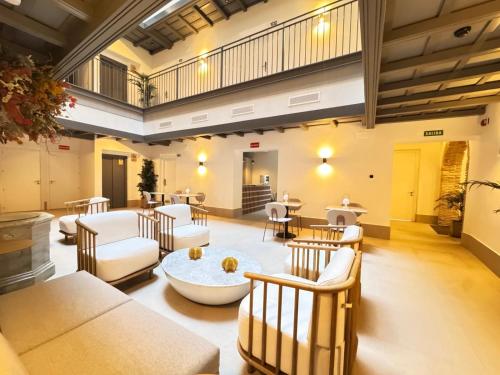
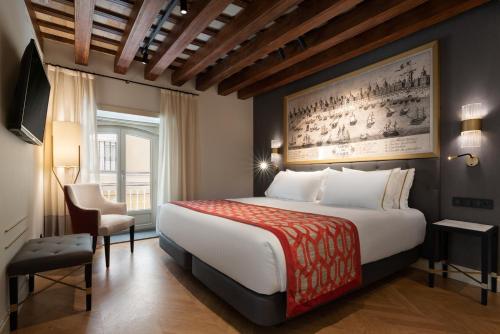
- Old town (Casco Antiguo, around San Francisco and Plaza de Mina): best for first-timers and anyone without a car. You can walk everywhere. Expect €80-150 a night in a double, and €30-40 in hostels.
- La Viña: best for food lovers. It's lively and close to La Caleta, but can be noisy at weekends. Rooms and flats cost €70-130.
- El Pópulo and around the cathedral: atmospheric and central, near the station. Prices run €80-140.
- Playa de la Victoria (new town): best for beach holidays and families. It's modern, with easy parking, and about 15 minutes by bus from the old town. Expect €90-180 in summer and much less off-season.
Our tip: book anything in the old town early for summer and carnival, because supply is limited.
What to eat in Cadiz
Cadiz is a seafood city, and frying is what it does best. Order these:
- Tortillitas de camarones: crisp, lacy fritters made with tiny shrimp. They're the local signature.
- Pescaíto frito: mixed fried fish such as cazón en adobo (marinated dogfish), puntillitas (baby squid) and boquerones. Freiduría Las Flores on Plaza de las Flores is the classic.
- Chicharrones de Cádiz: thin-sliced pressed pork belly with salt and lemon, best at Casa Manteca.
- Atún de almadraba: wild bluefin tuna caught in traditional nets, best in May and June. Try it as tartare or grilled, or as tataki.
- Papas aliñás: potato salad with onion, parsley, sherry vinegar and tuna.
- Erizos (sea urchins): in winter, when they're sold cheaply around La Caleta and the market.
- To drink: manzanilla from Sanlúcar or fino from Jerez, cold.
Tapas cost €3-5 each. A filling lunch of three or four tapas and a drink comes to about €15-20. A sit-down seafood dinner with wine is €30-45 per person. Lunch is the main meal and kitchens open late, so dinner before 9pm will feel early to locals.
Airport to city centre and getting around
The nearest airport is Jerez (XRY), about 40 km away, and the easiest connection is the train. The Jerez Aeropuerto Cercanías station is a short walk from the terminal. Line C1 reaches Cádiz in about 45 minutes for around €4-5. Trains are frequent but not hourly all day, so check the timetable. A taxi costs roughly €60-75.
Seville airport has far more flights and is often cheaper to fly into. Take the airport bus into Seville (about €4-5), then the train from Santa Justa to Cádiz. It takes about 1h45 and costs €15-25. Direct buses also run from Seville to Cádiz. Málaga and Gibraltar work too, but both mean 3+ hours of travel.
In town, you walk. The old town is about 1.5 km across. Urban buses (line 1 and line 7 run along the length of the city to Victoria) cost about €1.10 a ride, or less with a rechargeable card. The regional Consorcio de Transportes card gives discounts on buses and the catamarans to El Puerto and Rota, so it's worth getting if you're doing day trips.
How much a trip to Cadiz costs
- Shoestring: about €50-70 a day. That covers a hostel bed (€30-40), market food and tapas (€15-20), a couple of buses and free sights.
- Mid-range: about €120-180 a day per person (sharing a double). That covers a hotel in the old town (€90-150 per room), a tapas lunch and a seafood dinner (€50), and entry to the cathedral, Torre Tavira and the museum (€20).
- Extras: flamenco €15-25, catamaran €3 each way, train to Jerez about €4.
Day trips from Cadiz
- Jerez de la Frontera: about 35-40 minutes on the Cercanías C1. Go for sherry bodega tours (€20-30), the Alcázar and the Royal Andalusian School of Equestrian Art shows (check dates).
- El Puerto de Santa María: 30 minutes by catamaran. Go for bodegas like Osborne, and the seafood "cocederos" along Ribera del Marisco, where you buy prawns by weight.
- Vejer de la Frontera: about 1 hour by bus. It's a white hilltop village with whitewashed lanes and great food, and it can be combined with the beach at El Palmar.
- Sanlúcar de Barrameda: about 1 hour by bus. Go for manzanilla, the langostinos and tortillitas on Plaza del Cabildo, and the views over to Doñana.
- Bolonia and Baelo Claudia: 1h15 by car. A wild beach with huge dunes sits next to well-preserved Roman ruins. Public transport is poor, so you'll need wheels.
Common mistakes and scams
Cadiz is a safe city with few scams, but a few things catch visitors out:
- Arriving at lunch at 12pm or dinner at 7pm. You'll find empty or closed kitchens. Eat at 2-3pm and from 9pm.
- Ordering seafood "by weight" without asking the price. Prawns, carabineros and percebes are priced per kilo, and the bill can jump. Always ask how much a portion costs.
- Accepting the bread and "aperitivo" without checking. Some terraces charge for them. A quick "¿Se cobra?" settles it.
- Underestimating the wind. When the levante blows, beaches on the east side become sandblasting zones. Check the forecast and head to La Caleta or Victoria accordingly.
- Driving into the old town. The narrow streets, restricted zones and expensive car parks make it a headache. Leave the car at your hotel or in an underground car park outside the walls.
- Beach theft. It's rare but it happens at Victoria in summer. Don't leave phones on towels while you swim.
Cadiz FAQ
How many days do you need in Cadiz?
Two days is enough to see the old town, the cathedral and the beaches at a relaxed pace. Add a third day for a trip to Jerez, El Puerto or Vejer.
Is Cadiz worth visiting?
Yes, especially if you like seafood, sea views and walkable cities. It's cheaper and less crowded than Seville and has real city beaches.
Is Cadiz better than Seville?
They're very different. Seville has bigger monuments and more nightlife, while Cadiz is smaller, breezier and has beaches. Many people do both, since they're under two hours apart by train.
Can you swim in Cadiz?
Yes. La Caleta is calm and central, and Playa de la Victoria is the big lifeguarded beach. The water is coolish Atlantic, at its warmest from August to September.
What is the best airport for Cadiz?
Jerez is the closest, about 45 minutes by train. Seville usually has more and cheaper flights, and the transfer takes around 1h45 by bus and train.
Is Cadiz expensive?
Not by Spanish coastal standards. Tapas cost €3-5 and most sights are free or under €10, although hotels get expensive in summer and during carnival.
When is Cadiz Carnival?
It takes place in February, with dates changing each year in line with Lent. It's one of the biggest carnivals in Spain, so book accommodation months ahead.
Do you need a car in Cadiz?
No. The city is walkable, and the train, buses and catamarans cover the main day trips. A car only helps for remote beaches like Bolonia.
Photo: Wikipedia · · Wikimedia Commons · Guide updated 21 Nov 2026