Turin is the Italian city that people forget to visit, which is exactly why it's worth it. It was Italy's first capital, and it still looks the part: long porticoed streets, grand baroque squares, royal palaces and cafés that have been serving hot chocolate since before Italy existed. It is elegant rather than pretty-postcard, a bit reserved, and much cheaper and calmer than Milan, Florence or Venice. Add some of the best food in the country and the habit of a long evening aperitivo, and you have a city that rewards people who like eating, walking and museums more than ticking off famous selfies.
It suits couples, food lovers, museum people and anyone who's done the big Italian names and wants something less crowded. Three days is the right amount: two for the centre and the big museums, one for the hills, the river and either a royal palace or a food-focused day trip. With only a weekend you can cover the highlights, but you'll be rushing the Egyptian Museum, which would be a shame.
What to see in Turin: the places worth your time
Museo Egizio (Egyptian Museum)
This is the main reason many people come, and it deserves it: it's the most important collection of Egyptian antiquities outside Cairo. The statue gallery, the intact tomb of Kha and Merit and the Book of the Dead papyri are the highlights. Give it at least 2.5 to 3 hours. Tickets are about €18-20. Our tip: book a timed slot online and go first thing or in the last couple of hours; mid-morning is when the school groups arrive.
Mole Antonelliana and the National Cinema Museum
The odd spire on every Turin postcard houses one of Europe's best film museums. You lie on red recliners in the huge central hall while films play on giant screens, and the displays on early cinema and film posters are excellent even if you're not a film buff. Allow 2 hours, about €15 for the museum, about €10 for the glass panoramic lift, or a combo for around €20. Book the lift slot in advance because the queue can eat an hour.
Piazza Castello, Palazzo Madama and the Musei Reali
Piazza Castello is the city's central square. Palazzo Madama has a baroque front and a medieval castle behind it, and the tower view alone justifies the ticket of about €10. Next door, the Musei Reali (Royal Palace, Armoury, Sabauda Gallery and the archaeology museum) cost about €15 on one ticket. You need half a day to do the royal complex properly. The Royal Armoury is the part people remember.
Turin Cathedral and the Shroud Chapel
The Duomo is small, Renaissance and free, and sits right next to the royal palace. The real Shroud of Turin is locked away and shown only on rare special occasions. What you'll see is a replica and an explanation. Fifteen minutes is enough unless the restored Guarini chapel (visited through the Musei Reali) is open on your ticket.
Piazza San Carlo and Via Roma
Turin's "living room" is a symmetrical baroque square with twin churches and two of the city's historic cafés, Caffè San Carlo and Caffè Torino. In front of Caffè Torino there's a brass bull in the pavement. Locals grind a heel on its, ahem, delicate area for luck. Free, and 20 minutes is plenty, though it's lovely lit up at night.
Via Po, Piazza Vittorio Veneto and the Murazzi
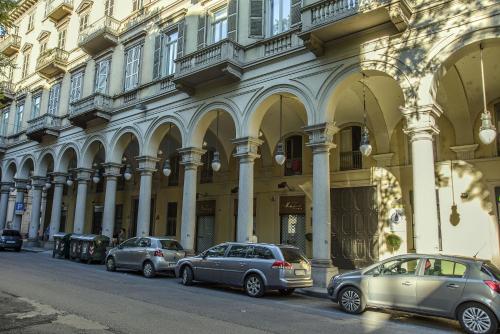
Via Po runs from Piazza Castello to the river under almost continuous arcades, lined with old bookshops and university bars. It opens out into Piazza Vittorio Veneto, one of the largest squares in Europe, with the Gran Madre church framed across the Po. Walk down to the Murazzi riverside at sunset. Free.
Monte dei Cappuccini
This is the best view in Turin: the whole city, the Mole and, on a clear day, the Alps behind. Cross the bridge from Piazza Vittorio Veneto, pass the Gran Madre and walk up for about 15 minutes. Free. Go late afternoon in winter or early morning in summer, when the haze is lower and the mountains show up.
Basilica di Superga
A grand hilltop basilica with royal tombs and a memorial to the 1949 Torino football team plane crash. The fun part is getting there: tram 15 to Sassi, then the old Sassi-Superga rack railway, which climbs through the woods in about 20 minutes (a few euros each way, and it often runs mainly at weekends, so check). The dome climb costs a few euros and the view is even bigger than Cappuccini's. Allow half a day.
Parco del Valentino and the Borgo Medievale
Turin's riverside park is where the city jogs, picnics and walks dogs. Inside it is the Borgo Medievale, a 19th-century replica medieval village built for an exhibition. It's slightly kitsch but charming, and the village is free to wander. The castle part has a small fee. Combine it with lunch in San Salvario next door. Allow 1.5 to 2 hours.
Porta Palazzo market
This is one of the largest open-air markets in Europe, and the most real slice of Turin you'll find: vegetable stalls shouted over in a dozen languages, covered halls for meat and cheese, and a fish pavilion. It runs Monday to Saturday mornings. On Saturdays the Balon flea market spreads through the streets behind it. Free, and bring cash. Keep an eye on your phone.
Quadrilatero Romano
The old Roman grid west of Piazza Castello is now the best area for aperitivo and casual dinners, with narrow streets around Via Sant'Agostino, Via Barbaroux and Piazza Emanuele Filiberto. There's nothing specific to "see". You come here at 7pm and stay.
Venaria Reale
Savoy's Versailles is a vast palace with the spectacular white Galleria Grande and huge gardens. It's technically outside the city but is part of most Turin trips. The bus takes about 40 minutes from the centre, and a combined ticket costs around €20 (check current prices, as exhibitions change). Budget half a day, more if the weather is good for the gardens.
Lingotto and the Pinacoteca Agnelli
The former Fiat factory has a famous test track on the roof, where cars once drove laps above the city. It's now a garden with views, and a small gallery of the Agnelli family's paintings (Canaletto, Matisse, Picasso) sits in a glass box on top. Metro line 1 takes you to Lingotto. It's worth it if you like architecture or cars. Combine it with the Museo dell'Automobile nearby (about €15), which is genuinely good even for non-petrolheads.
Things to do in Turin
Turin is a city for sitting, eating and drinking as much as sightseeing. These are the things we'd prioritise once you've done the big museums.
- Drink a bicerin at Caffè al Bicerin: espresso, hot chocolate and cream layered in a small glass, served in a tiny café opposite the Santuario della Consolata. It costs about €7-8. Don't stir it.
- Do aperitivo properly: from around 6.30pm, a drink (often vermouth or a spritz) comes with a buffet or plates of snacks for €10-15. Vermouth was invented in Turin, so try a local one like Carpano or Cocchi neat with an orange slice.
- Go on a chocolate crawl: gianduiotti (hazelnut chocolates) were born here. Try Guido Gobino, Pfatisch or Stratta.
- Sit in a historic café: Caffè Mulassano in Piazza Castello (claims to have invented the tramezzino sandwich), Baratti & Milano, or Caffè Fiorio on Via Po.
- Night out in San Salvario or Vanchiglia: San Salvario's streets around Largo Saluzzo fill up with students and cheap bars, while Vanchiglia is a little more grown-up.
- Watch a match: Juventus play at the Allianz Stadium on the edge of town, and Torino at the Stadio Olimpico Grande Torino. The Torino derby atmosphere is fierce.
- Walk the arcades in the rain: there are roughly 18km of porticoes, so a wet day barely matters.
Turin for free (or almost)
A lot of Turin's best moments cost nothing. The views from Monte dei Cappuccini, the riverside walk along the Po and Parco del Valentino, Porta Palazzo market and the arcades of Via Po and Via Roma are all free. So are the cathedral, the Gran Madre and the Santuario della Consolata, a baroque church that's packed with naive votive paintings and one of the most atmospheric interiors in the city.
State museums, including the Musei Reali, are free on the first Sunday of the month. That means queues, so arrive early. If you're doing four or more paid sights, look at the Torino+Piemonte Card, which covers most big museums and some transport. Do the maths first, because it only pays off if you're busy. Aperitivo is the other budget hack: a €10-12 drink with a decent buffet can easily replace dinner.
Turin itinerary: 3 days
Day 1: Royal Turin and the centre
Morning: start in Piazza Castello with a coffee at Mulassano, then do Palazzo Madama and climb its tower. Pop into the cathedral. Afternoon: Musei Reali (focus on the Armoury and the palace rooms), then walk down Via Roma to Piazza San Carlo and spin on the bull. Evening: aperitivo in the Quadrilatero Romano and dinner there. Finish with a nightcap on Via Po.
Day 2: Egypt, cinema and the view
Morning: Museo Egizio at opening time, booked ahead. Afternoon: lunch nearby, then the Mole Antonelliana, with the cinema museum first and then your pre-booked lift slot. Evening: walk Via Po to Piazza Vittorio Veneto, cross the river and climb Monte dei Cappuccini for sunset. Dinner in Vanchiglia afterwards.
Day 3: Markets, river and hills
Morning: Porta Palazzo market, then a bicerin at Caffè al Bicerin a few minutes' walk away. Afternoon: either take tram 15 and the rack railway up to Superga, or swap this for Venaria Reale if you prefer palaces to views. Evening: stroll Parco del Valentino at golden hour and have dinner in San Salvario.
What is overrated (and what to do instead)
- Queuing for the Mole lift without a booking. Waiting an hour for a 60-second ride is poor value. Book a slot, or skip it and get a better free view from Monte dei Cappuccini.
- Coming for the Shroud. You won't see it outside rare public showings. The cathedral is a quick stop, not a destination.
- Shopping on Via Roma. The arcades are handsome, but the shops are the same chains as at home. Go to Via Lagrange and the side streets for chocolate, wine and independent shops instead.
- Eating on Piazza Castello. You pay for the location. Walk five minutes into the Quadrilatero or San Salvario and you'll eat better for a third less.
When to visit Turin
The best months are April to June and September to October: mild, often sunny, with clear days when the Alps appear behind the city. October and November bring white truffle season in nearby Alba, which is a big draw for food lovers, though hotels near the Langhe get pricier.
Summers are hot and humid, often over 30°C, and in August many family-run restaurants close for holidays. Winters are cold and foggy, with grey days and occasional snow. On the plus side, prices are at their lowest (outside Christmas and big trade fairs), the museums are quiet and hot chocolate makes sense. Hotel rates spike during major events such as the Salone del Libro in May and any big ATP tennis or trade fair weeks, so check dates before booking.
Where to stay in Turin: best areas
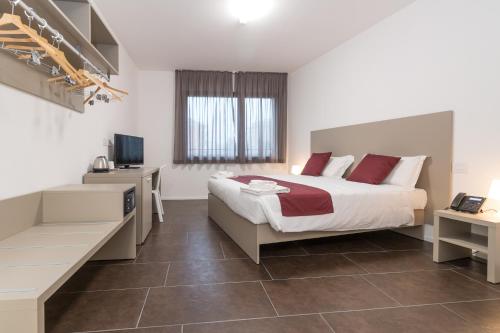
- Centro (around Piazza Castello and Via Roma): best for first-timers. Everything is walkable and it's safe and grand. Expect €100-180 a night for a double in a good hotel.
- Quadrilatero Romano: best for food and nightlife within the old centre, with lots of apartments and B&Bs. Expect about €80-150. Ask about street noise on weekends.
- San Salvario: next to Porta Nuova station and Parco del Valentino, with a young crowd, cheap eats and bars. It's lively and fun at night, and loud in places. Expect €60-120.
- Vanchiglia and Borgo Po: quieter and more residential, close to the Mole and the river, and good for couples and repeat visitors. Expect €70-130.
- Crocetta: elegant, calm and residential, south of the centre. It suits families or anyone who wants to sleep well, and is a short metro or tram ride in. Expect €70-120.
Hostels and basic guesthouses go from about €30-45 for a dorm bed. The streets right around Porta Nuova station can feel a bit seedy at night. They're fine, just not the most charming base.
What to eat in Turin
Piedmontese food is rich, buttery and serious, with more French influence than you'd expect in Italy. These are the dishes to order:
- Agnolotti del plin: small pinched pasta parcels filled with meat, served with butter and sage or roast juices.
- Tajarin: thin egg pasta made with lots of yolks, served with ragù or, in autumn, shaved white truffle (expensive, but you'll remember it).
- Vitello tonnato: cold sliced veal with a tuna-caper sauce. It sounds odd and tastes great.
- Bagna cauda: a hot garlic and anchovy dip with raw and cooked vegetables. It's a winter social dish, so don't plan a date afterwards.
- Bollito misto (mixed boiled meats with green sauce), brasato al Barolo and carne cruda (beef tartare, Piedmontese style).
- Bonet: a chocolate and amaretti pudding.
- Grissini: breadsticks were born here, and the hand-rolled ones bear little resemblance to the packet kind.
Drink Barbera or Dolcetto with everyday meals and save Barolo or Barbaresco for a splurge. A lunch menu at a trattoria costs about €12-18. A proper three-course dinner with wine runs €35-50 per person, more in famous places. Expect a coperto (cover charge) of €2-4 on the bill. It's legal and normal. For quick, cheap food, try a slice of pizza al padellino or a tramezzino at a bar.
Airport to city centre and getting around
Turin Caselle Airport (TRN) is about 16km north of the city. The airport bus runs to Porta Susa and Porta Nuova stations in about 40-50 minutes for roughly €7-8. A taxi costs around €35-45 and takes 25-30 minutes without traffic. There's also a train link from the airport, but it doesn't drop you in the centre, so for most visitors the bus is simpler.
Many low-cost routes land at Milan instead. From Milan Malpensa there are direct coaches to Turin (around 2 hours, roughly €15-25), or you can go via Milano Centrale, where high-speed trains reach Turin in about an hour for €15-40 depending on how early you book. Regional trains are cheaper and slower.
The centre is very walkable, and you may not need transport at all. GTT runs trams, buses and one metro line (useful for Porta Nuova, Porta Susa and Lingotto). A single ticket costs about €2 and is valid for around 100 minutes, and daily tickets cost a few euros. Contactless bank card payment works on the metro and many surface lines. Validate paper tickets every time, because inspectors do check.
How much a trip to Turin costs
- Shoestring (about €60-80 a day): hostel bed or cheap room share (€30-45), market food and aperitivo dinners (€20-25), one paid museum (€10-20), walking everywhere.
- Mid-range (about €150-220 a day): a double room in the centre split two ways (€60-90 each), a trattoria lunch plus a sit-down dinner with wine (€50-65), two museums or the Mole combo (€25-40), plus a coffee and bicerin habit (€10).
- Extras to budget for: a truffle dish in season (€25-50 more), a Langhe wine tour (€80-150), the city tax on accommodation (a few euros per person per night).
Day trips from Turin
- Venaria Reale: the royal palace and gardens are 40 minutes by bus. Allow half a day, more in spring.
- Sacra di San Michele: a dramatic abbey perched on a rocky peak, said to have inspired The Name of the Rose. Take a regional train to Sant'Ambrogio (about 40 minutes), then a steep hike of 1 to 1.5 hours. Wear proper shoes. It's a full day.
- Alba and the Langhe: wine hills, truffles and hazelnuts. Trains reach Alba in roughly 1 to 1.5 hours, but villages like Barolo and La Morra really need a car or a tour. Do a full day, especially during the autumn truffle fair.
- Palazzina di Stupinigi: an elegant Savoy hunting lodge on the southern edge of the city, reached by bus in under an hour. It works as a half day.
- Milan: an hour by high-speed train, so it's easy if you want both cities, though we'd rather give Turin the full three days.
Common mistakes and scams
- Driving into the ZTL. The centre is a limited traffic zone with cameras, and fines arrive months later via your rental company. Park outside or use the hotel's instructions.
- Not booking the Egyptian Museum and the Mole lift. These are the two queues that waste whole mornings.
- Friendship bracelets and petitions. Around Porta Nuova and the main squares, people tie a bracelet on your wrist and then demand money. Keep walking and don't sign anything.
- Pickpockets at Porta Palazzo, on crowded trams and at the stations. Use a front pocket or a zipped bag.
- Arriving at lunch at 3pm. Many kitchens close mid-afternoon, and dinner rarely starts before 7.30pm. Aperitivo bridges the gap.
- Ordering cappuccino after dinner. It's not a scam, but you'll get looks. Have an espresso or a bicerin earlier in the day.
- Coming in August expecting full food scene action. Plenty of the best trattorias shut for two or three weeks.
Turin FAQ
How many days do you need in Turin?
Three days is ideal: enough for the Egyptian Museum, the Mole, the royal palaces, the hills and a slow aperitivo every evening. Two days works if you skip Superga and Venaria.
Is Turin worth visiting?
Yes, especially if you like food, museums and elegant cities without huge crowds. It's cheaper and calmer than Milan, Florence or Venice and feels far less touristy.
Is Turin expensive?
It's mid-priced for northern Italy. Mid-range travellers spend about €150-220 a day. Aperitivo, markets and free viewpoints keep costs down.
Can you see the Shroud of Turin?
Usually no. It's kept sealed in the cathedral and only displayed during rare official showings, though a replica and exhibition are available to visit.
Is the Egyptian Museum in Turin worth it?
Absolutely. It's one of the best Egyptian collections in the world. Book online and allow at least 2.5 hours.
What is Turin famous for food-wise?
Turin is famous for agnolotti del plin, vitello tonnato, bicerin, gianduiotti chocolate, grissini and vermouth. It's also the gateway to Barolo wine and Alba white truffles.
Is Turin safe for tourists?
Generally yes. The centre is safe day and night. Watch for pickpockets around Porta Palazzo, Porta Nuova and on crowded trams.
Is it better to fly into Turin or Milan?
Flying into Turin is faster, at about 45 minutes to the centre, but Milan airports often have cheaper low-cost fares. Compare the total price including the 1-2 hour transfer.
Photo: Guilhem Vellut from Annecy, France · CC BY 2.0 · Wikimedia Commons · Guide updated 21 Nov 2026