Cordoba is the most underrated of Andalusia's big three. Seville gets the flamenco, Granada gets the Alhambra, and Cordoba gets day-trippers who arrive at 11am, shuffle through the Mezquita and leave by 5pm. That is a mistake. The city is small, walkable and at its best in the evening, when the tour groups have gone and the whitewashed lanes of the Judería go quiet.
It suits travellers who like history without a theme-park feel, food that is cheap and serious, and cities you can cover on foot. Two days is the right amount: one for the big monuments, one for the patios, the neighbourhoods and the taverns. Add a third if you want Medina Azahara and a slow morning, but you won't need more.
What to see in Cordoba: the places worth your time
Mezquita-Catedral
The Mezquita is the reason Cordoba is on the map, and it lives up to the hype. It is a forest of more than 800 red-and-white striped arches, with a Renaissance cathedral dropped into the middle in the 16th century. Give it 1.5 to 2 hours. A standard ticket is about €13-15. Our tip: Monday to Saturday there is a free entry slot first thing in the morning (check the current times). It is quiet and the light is beautiful. Come back later if you want the full experience with the audio guide.
Bell tower of the Mezquita
The tower climb is a separate ticket (about €3), sold for timed slots that sell out in high season. The view over the orange trees of the Patio de los Naranjos and the river is the best overview of the old town. It takes 30 minutes. Book online the day before.
Alcázar de los Reyes Cristianos
The fortress-palace where Ferdinand and Isabella received Columbus. The interior is fairly bare (some Roman mosaics, a few towers), but the terraced gardens, with long ponds, cypresses and fountains, are the real draw. Allow 1 to 1.5 hours, about €5-6. Go first thing or late afternoon: the gardens have little shade and become an oven by midday in summer.
Roman Bridge and the Calahorra Tower
The Roman Bridge crosses the Guadalquivir from the Mezquita to the Calahorra Tower, and walking it is free. Cross at sunset and turn around: the view back to the Mezquita, with the old Albolafia water mill in the foreground, is the classic Cordoba photo. The tower holds a small museum on the city's three cultures (about €4-5, 45 minutes). It feels a bit dated, but the rooftop view is worth it.
The Judería
The old Jewish quarter is the maze of narrow lanes north and west of the Mezquita. Yes, it is full of souvenir shops on the main drag, but step one street off Calle Deanes or Calle Judíos and it turns residential and quiet. Give it a couple of hours of wandering. It is free, and it is at its best after 7pm.
Synagogue of Cordoba
One of only three medieval synagogues left in Spain, on Calle Judíos. It is a single small room with lovely plaster carving in Mudéjar style. It takes 15 minutes and is free or close to it. Combine it with the nearby Casa de Sefarad (about €5), a small, well-run museum on Sephardic culture.
Calleja de las Flores
A tiny alley lined with flowerpots that frames the Mezquita's bell tower. It is lovely and you will be there for exactly five minutes, most of them waiting for people to finish their selfies. Go before 10am or after dark.
Palacio de Viana
A noble house with 12 different patios, each in a different style. If you can't come during the May patio festival, this is the next best thing. Allow 1.5 hours. About €10 for patios plus the house, less for patios only. The patios-only ticket is enough for most people. It is in the Santa Marina area, a 20-minute walk from the Mezquita, which keeps the crowds down.
Medina Azahara
The ruins of a 10th-century palace city built by the Caliph Abd al-Rahman III, 8 km west of town and a UNESCO World Heritage Site. The excavated part is only a fraction of the original, but the restored Salón Rico and the sheer scale are impressive. It is free for EU citizens and very cheap for others. A dedicated tourist bus from the centre costs about €10 return. You need half a day. Go in the morning, because the site is fully exposed to the sun.
Plaza de la Corredera
Andalusia's only enclosed, Castilian-style arcaded square, once used for bullfights. It is less pretty than Madrid's Plaza Mayor, but it is far more local. There is a food market on the side in the mornings and cheap terraces all day. Spend 30 minutes, or longer with a beer.
Plaza del Potro and the Julio Romero de Torres Museum
A small square with a 16th-century fountain and the old inn mentioned in Don Quixote. On the same courtyard you'll find the Museum of Fine Arts and the museum of Julio Romero de Torres, a local painter of dark-eyed Cordoban women (about €5). It is a quick, cheap stop that feels very much like Cordoba. Allow 45 minutes.
Templo Romano and the Fernandine churches
The columns of the Roman temple on Calle Claudio Marcelo take five minutes to see and cost nothing. From there, walk north to the "Fernandine" churches built after the 1236 Christian conquest: San Lorenzo and Santa Marina are the pick. They are Gothic outside and Mudéjar in the details, and the neighbourhoods around them are where Cordobans actually live.
Things to do in Cordoba
Once the main sights are ticked off, Cordoba is about slowing down. These are the things we'd prioritise.
- Go patio-hopping. The Festival de los Patios takes place in the first half of May, when residents open their flower-covered courtyards. Entry is free, but queues in the San Basilio area can be long. Outside May, a few patios in San Basilio stay open for a small fee.
- Do a tavern crawl with Montilla-Moriles wine. The local fino is like sherry's less famous cousin and costs €2-3 a glass. Taberna Salinas and Bodegas Campos are classics.
- Take an Arab bath. Hammam Al Ándalus in the Judería has warm, hot and cold pools in a vaulted space. It costs about €35-50 depending on the massage. Book ahead and go in the evening.
- Watch a flamenco show. Small tablaos near the Mezquita charge about €25-30 with a drink. They are tourist-oriented, but the performers are usually good.
- See the Mezquita by night. The night light-and-sound show inside (about €20) is divisive. It is atmospheric for some people and cheesy for others. The building's empty, lit-up silence is the real reason to go.
- Visit Mercado Victoria. This gastro-market in a 19th-century iron pavilion in the Jardines de la Victoria is good for a quick, varied dinner if your group can't agree on a restaurant.
- Walk along the river. The paths along the Guadalquivir from the Roman Bridge to the Puente de San Rafael are lovely in the early evening, when locals come out to walk.
Cordoba for free (or almost)
A surprising amount of Cordoba costs nothing. The free morning entry to the Mezquita is the big one; the Patio de los Naranjos is also free to walk into at any time.
- Roman Bridge, Puerta del Puente and the riverside walk
- The Judería, Calleja de las Flores and the Templo Romano
- Medina Azahara (free for EU citizens; you only pay for the bus)
- Synagogue (free or nominal)
- The patios during the May festival
- The Fernandine churches from outside, and the squares of San Lorenzo and Santa Marina
- Plaza de la Corredera and Plaza de las Tendillas, the city's modern centre
Several municipal monuments, including the Alcázar, have historically offered free or reduced slots on certain days. Check the city's tourism website before you go, as the rules change.
Cordoba itinerary: 2 days
Day 1: Mezquita, Alcázar and the river
Morning: Be at the Mezquita for the free early slot, then climb the bell tower (book it the day before). Have breakfast on a side street: tostada with tomato and coffee for €3-4. Walk to the Alcázar and do the gardens before the heat sets in.
Afternoon: Have a long lunch in the Judería, then see the Synagogue and Casa de Sefarad. Take a siesta. It is not a cliché here; from June to September the city empties between 2pm and 6pm.
Evening: Cross the Roman Bridge at sunset, visit the Calahorra Tower if it is still open, then walk back across and get lost in the quiet lanes of the Judería. Finish with dinner and fino near the Mezquita, or at the hammam.
Day 2: Patios, Santa Marina and taverns
Morning: Either take the bus to Medina Azahara (allow 3-4 hours in total) or walk north to the Palacio de Viana.
Afternoon: Walk to San Lorenzo and Santa Marina, then down through Plaza de la Corredera for a late lunch. Then head to Plaza del Potro and the Julio Romero de Torres museum.
Evening: Go on a tavern crawl through the centre. Start at Taberna Salinas, then pass the Templo Romano and Plaza de las Tendillas. End the night at Mercado Victoria or with a flamenco show.
What is overrated (and what to do instead)
- The Mezquita at midday. It is the same building, but with five times the people and full price. Go at the free early slot or in the last hour before closing.
- Calle Deanes and the streets around the Mezquita for food. Menus in six languages, laminated photos and mediocre salmorejo. Walk 10 minutes north towards the Corredera or San Lorenzo and prices fall while quality rises.
- The Alcázar interior. It is mostly empty rooms. If you are short on time, a quick lap of the gardens is enough.
- Doing Cordoba as a day trip from Seville. You see the Mezquita and the souvenir shops and miss what makes the city good: the evenings. Stay at least one night.
When to visit Cordoba
The best time to visit Cordoba is spring, especially late April to mid-May. Temperatures are pleasant (20-28°C), the orange blossom is out, and the patio festival is in full bloom. It is also the most expensive and crowded period, with hotels doubling their prices during the May festivals.
Summer is brutal. Cordoba is regularly among the hottest cities in Europe, and in July and August 40°C is normal, sometimes 45°C. If you go, plan everything before noon and after 7pm. Autumn (October and November) is excellent: still warm, quieter and cheaper. Winter is mild and sunny (around 15°C during the day, cold at night), with the fewest crowds and the lowest prices of the year, apart from Christmas and Holy Week.
Where to stay in Cordoba: best areas
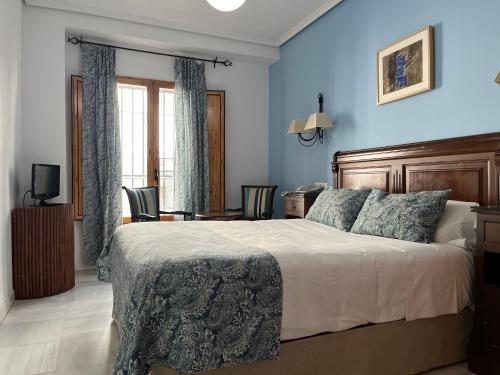
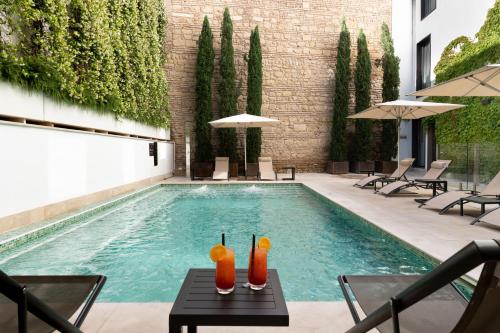
For a first visit, stay in or near the Judería. Everything is walkable, and the evenings there are the highlight.
- Judería / around the Mezquita: the most atmospheric area, a minute's walk from the sights and quiet at night once day-trippers leave. Expect €80-150 a night for a double, more during the May festivals. It suits first-timers and couples.
- San Basilio / Alcázar Viejo: the patio neighbourhood, just west of the Alcázar, residential and pretty. Expect €70-120. It suits people who want calm but central.
- Centro / Tendillas: the modern commercial centre, 10-15 minutes from the Mezquita, with plenty of mid-range hotels and better value. Expect €60-100. It suits those coming by train and anyone who wants shops and local bars.
- Santa Marina / San Lorenzo: local, authentic and full of taverns, 20 minutes from the Mezquita. Expect €50-90. It suits repeat visitors and food lovers.
- Campo de la Verdad (south of the river): just across the Roman Bridge, cheaper and with great views back to the old town. Expect €45-80. It suits budget travellers.
Hostels in the old town cost about €20-30 for a dorm bed.
What to eat in Cordoba
Order salmorejo first. It is Cordoba's own dish: a thick, cold cream of tomato, bread, garlic and olive oil, topped with ham and egg, and far richer than gazpacho. Then order a flamenquín (pork rolled around ham, breaded and fried) and rabo de toro (oxtail stew, slow-cooked and rich). Berenjenas con miel (fried aubergine with cane honey) are a perfect bar snack. For dessert, try pastel cordobés, a puff pastry tart filled with candied squash.
Drink Montilla-Moriles fino or amontillado with everything. Locals start with a fino before lunch, and it is not for show.
Where to go: Taberna Salinas (near the Corredera) is a classic with good, honest cooking. Bodegas Campos is the smarter old-school option for a special dinner. Casa Pepe de la Judería is a reliable choice near the Mezquita if you don't want to walk. Avoid places with someone at the door handing out menus.
What it costs: a menú del día at lunch (three courses plus a drink) costs €12-16 in local areas and €18-25 near the Mezquita. Tapas run €3-5 each, and a full tapas dinner with wine costs about €20-30 per person. A sit-down dinner at a better restaurant costs €35-50.
Airport to city centre and getting around
Most visitors fly into Seville, Málaga or Madrid and continue by train, because Cordoba airport has very few commercial flights.
- From Seville airport: take the airport bus to Santa Justa station (about €5, 25 minutes), then a high-speed train to Cordoba (about 45 minutes, €10-35 depending on the train and how early you book). The low-cost trains (Iryo, Ouigo, AVLO) are often the cheapest.
- From Málaga airport: take the Cercanías commuter train to María Zambrano station (about €2, 12 minutes), then a train to Cordoba (about 1 hour, €15-40).
- From Madrid: high-speed trains from Atocha take about 1h45 and cost €15-60. Book early for the low-cost operators.
Cordoba's train station is about 20-25 minutes on foot from the Mezquita, an easy walk through the Jardines de la Victoria. A taxi costs about €8-10. Aucorsa city buses cost about €1.30-1.50 per ride, and line 3 is useful between the station and the old town. If you stay longer, a rechargeable bonobús card lowers the fare. In practice, though, you will walk everywhere; the historic centre is compact and full of lanes buses can't enter.
How much a trip to Cordoba costs
Cordoba is one of Spain's cheaper cities. These are rough daily costs per person in 2026:
- Shoestring: €50-70 a day. Hostel bed (€20-30), free Mezquita slot, menú del día lunch, tapas dinner, walking everywhere.
- Mid-range: €110-160 a day. Double room in the Judería split two ways (€50-75 each), paid tickets to the Mezquita, Alcázar and Viana, a sit-down dinner with wine, and the occasional taxi.
- Extras: hammam €35-50, flamenco show €25-30, Medina Azahara bus about €10.
Day trips from Cordoba
- Seville: 45 minutes by high-speed train. It is easy as a day trip, but realistically it deserves its own 2-3 days.
- Granada: about 1h30 by high-speed train. Doable in a day only if you have pre-booked Alhambra tickets, which sell out weeks ahead.
- Almodóvar del Río: a dramatic, restored castle on a hilltop, about 25 km west. It is 30-40 minutes by bus or car. Half a day is enough.
- Montilla and the wine country: the home of the local fino, about 45 km south. Visit a bodega and have lunch. It is easiest by car or on an organised tour.
- Zuheros and the Subbética: a white village on a crag with a castle and a cave nearby. It takes about an hour by car. Go in spring or autumn.
Common mistakes and scams
- The rosemary women. Around the Mezquita, women push a sprig of rosemary into your hand, offer to "read your fortune" and then demand money, sometimes aggressively. Keep your hands in your pockets, say "no, gracias" and keep walking.
- Not booking the bell tower or, in May, not checking the patio routes in advance.
- Sightseeing at 3pm in July. Plan for the heat: carry water and wear a hat. Locals are indoors for a reason.
- Eating on the streets next to the Mezquita. You will pay more for worse food.
- Turning up to the Mezquita on a Sunday morning without checking. Mass times limit visits, and the free slot doesn't apply.
- Booking a hotel near the station for "convenience". It is a 25-minute walk from the evening atmosphere you came for.
Cordoba FAQ
How many days do you need in Cordoba?
Two days is ideal. It covers the Mezquita, the Alcázar, the Judería, the patios and a relaxed tavern evening. Add a third day for Medina Azahara and a slower pace.
Is Cordoba worth visiting?
Yes. The Mezquita is one of the most remarkable buildings in Europe, and the city is cheaper and calmer than Seville or Granada.
Is the Mezquita free?
There is a free entry slot first thing in the morning, Monday to Saturday. At other times a ticket costs about €13-15. Check current times on the official website.
Is Cordoba a good day trip from Seville?
It is easy: 45 minutes by train. But you'll miss the evenings, which are the best part, so stay at least one night if you can.
When is the Cordoba patio festival?
It usually runs during the first two weeks of May. Entry to the patios is free, but book your accommodation months in advance.
What food is Cordoba famous for?
Salmorejo, flamenquín, rabo de toro and berenjenas con miel, washed down with Montilla-Moriles fino.
Is Cordoba too hot in summer?
In July and August daytime temperatures often exceed 40°C. Visiting is possible, but plan sights for early morning and evening.
How do I get from the train station to the Mezquita?
Walk 20-25 minutes through the Jardines de la Victoria, take bus line 3 (about €1.50) or take a taxi for about €8-10.
Photo: Wikipedia · · Wikimedia Commons · Guide updated 21 Nov 2026