Lyon is France's food capital without the attitude of Paris. It is a big, working city built around two rivers, the Rhône and the Saône. Its old centre is a UNESCO site, and the restaurants matter more to locals than the monuments. It suits people who travel to eat, walk and sit on terraces more than people who want a checklist of famous landmarks. There is no Eiffel Tower here, and that is part of the appeal.
Three days is the right amount. That gives you one day for Vieux Lyon and Fourvière, one for the Presqu'île and Croix-Rousse, and one for museums, parks or a long lunch. Two days works if you are in a hurry. Five lets you add day trips to Pérouges, Vienne or Annecy. The city is compact and the metro is easy, so you waste very little time getting around.
What to see in Lyon: the places worth your time
Basilica of Notre-Dame de Fourvière
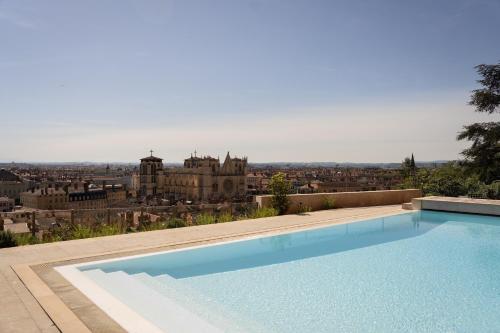
The white basilica on the hill above the Saône is the city's postcard, and the view from the esplanade beside it is the best in Lyon. Inside, the 19th-century mosaics are over the top in a way that is worth seeing once. Entry is free. Allow an hour including the view. Our tip: take the funicular up from Vieux Lyon station (a normal TCL ticket, about €2) and walk down through the Jardin du Rosaire. The way down is the nicer half.
Roman theatres and Lugdunum museum
A few minutes' walk from the basilica are two Roman theatres cut into the hillside. Lugdunum was the capital of Roman Gaul. The theatres are free to wander. The museum next door (about €5-7) is cleverly built into the slope and holds the Claudian Table, a bronze inscription of a speech by Emperor Claudius. Give it 1-2 hours. In June and July the big theatre hosts the Nuits de Fourvière festival, so check the programme.
Vieux Lyon
This is the Renaissance quarter along the Saône, split into Saint-Paul, Saint-Jean and Saint-Georges. It is one of the largest Renaissance districts in Europe. The pastel facades, spiral staircases and courtyards are lovely, while the main drag, rue Saint-Jean, is lined with souvenir shops and tourist bouchons. Walk it for the architecture, then eat somewhere else. Allow half a day, free.
The traboules
Traboules are covered passageways that cut through buildings from one street to the next. They were used by silk workers and later by the Resistance. Some are open to the public in Vieux Lyon and Croix-Rousse, such as the Longue Traboule at 54 rue Saint-Jean and the Cour des Voraces on the slopes of Croix-Rousse. They are free, but people live there, so keep your voice down. Our tip: the tourist office sells a traboules map, or you can look for the small bronze plaques on doors.
Cathédrale Saint-Jean
The cathedral is Gothic with a Romanesque core, sitting at the foot of Fourvière. The highlight is the 14th-century astronomical clock, which chimes and moves at set times during the day. Entry is free, and 30 minutes is enough. Check the clock times on the board inside before you go.
Place des Terreaux and the Musée des Beaux-Arts
Terreaux is a grand square with City Hall and the Bartholdi fountain (same sculptor as the Statue of Liberty). On one side sits the Musée des Beaux-Arts, one of the best art museums in France outside Paris. It has Egyptian antiquities, Rembrandt, Monet and a quiet cloister garden you can enter for free. The collection costs about €8-12. Allow 2-3 hours.
Croix-Rousse and the Mur des Canuts
Croix-Rousse is the former silk-workers' hill. It has steep stairs, tall windows built for looms and a village feel at the top. The Mur des Canuts is a giant trompe-l'oeil mural on boulevard des Canuts, and it gets bigger every time they repaint it. The neighbourhood is free to explore. Plan half a day with the market. Our tip: take metro C up, then walk down through the pentes (slopes) past Montée de la Grande Côte for great views.
Maison des Canuts
This small museum in Croix-Rousse explains the silk industry, with a live demonstration on a Jacquard loom. It costs about €8-10 and takes an hour. It makes the whole hill make sense.
Les Halles de Lyon Paul Bocuse
The covered food market near Part-Dieu is named after the city's most famous chef. You will find oysters, Saint-Marcellin cheese from Mère Richard, pralines and charcuterie. Entry is free, though eating is not cheap. Go late morning on a weekend, when locals sit down to oysters and white wine. A dozen oysters and a glass costs about €25-35.
Musée des Confluences
This deconstructed steel-and-glass building sits where the Rhône and Saône meet. Inside is a science and anthropology museum covering dinosaurs, meteorites and world cultures. The architecture is the bigger draw for many people. Tickets are about €12, and you need 2-3 hours. Take tram T1 from Perrache.
Musée Lumière
The museum is in the Lumière family villa in Monplaisir, where cinema was invented. You can see the original Cinématographe and the factory hangar where the first film was shot. Entry is about €8-10, allow 1-2 hours, and you get there by metro D to Monplaisir-Lumière. Film fans should check the screenings at the Institut Lumière next door.
Parc de la Tête d'Or
Tête d'Or is a huge park with a lake, rose gardens, glasshouses and a small zoo, all free. It is where Lyon goes jogging on Sunday. Allow 2 hours, or longer with a picnic. Rent a rowing boat in summer.
The river quays
The Berges du Rhône are pedestrian riverbanks with cycling paths, lawns and péniches (moored barges) that work as bars. On warm evenings this is where the city hangs out. It is free, and best from late afternoon.
Things to do in Lyon
Lyon is a city to do things in as much as look at things. These are the ideas we would prioritise.
- Eat a proper bouchon lunch. Look for the "Les Bouchons Lyonnais" label with the Gnafron puppet sticker. Lunch set menus (around €20-30) are much better value than dinner.
- Hunt traboules on foot. A self-guided traboule walk through Croix-Rousse takes about two hours and costs nothing.
- Do the Saint-Antoine market on a Sunday. It runs along the Saône on quai Saint-Antoine, with cheese, produce and rotisserie chicken. Grab a coffee and browse.
- Have drinks on a péniche. The barges on the Rhône quays turn into bars and clubs at night, with beer at around €6-8.
- Watch a Guignol puppet show. Guignol was born in Lyon. Shows are mostly for kids, but they are cheap and very local.
- Do a wine tasting. Wine bars in the Presqu'île pour Beaujolais crus and northern Rhône reds (Côte-Rôtie, Saint-Joseph) by the glass.
- Cycle with Vélo'v. The bike share has stations everywhere, and the riverbanks are flat and car-free.
- Climb the Fourvière tower tour. Guided visits up the basilica's roofs run seasonally. Check availability, as they fill up.
Lyon for free (or almost)
A surprising amount of Lyon costs nothing. You can see the Fourvière basilica and the esplanade view, the Roman theatres, Cathédrale Saint-Jean, the traboules, the Mur des Canuts and the Fresque des Lyonnais (on quai Saint-Vincent) without paying. Parc de la Tête d'Or and its zoo are free too, as are the cloister garden of the Musée des Beaux-Arts and the river quays.
The Fête des Lumières (around 8 December) is free. It fills the city with light installations over four nights, but hotels triple in price. For cheap eating, buy bread, Saint-Marcellin and saucisson at a market and eat by the Saône. A picnic for two runs about €15.
Lyon itinerary: 3 days
Day 1: Vieux Lyon and Fourvière
Morning: Start at Cathédrale Saint-Jean, then walk through Saint-Jean and Saint-Paul and duck into the open traboules. Take the funicular up to Fourvière.
Afternoon: See the basilica and the view, then the Roman theatres and the Lugdunum museum. Walk down via the Jardin du Rosaire, then cross the Saône footbridge to the Presqu'île.
Evening: Have an aperitif on a terrace near Place des Jacobins, followed by dinner at a bouchon away from rue Saint-Jean.
Day 2: Presqu'île and Croix-Rousse
Morning: Start at Place Bellecour, then walk rue de la République and rue Victor Hugo to Place des Terreaux. Spend late morning at the Musée des Beaux-Arts.
Afternoon: Climb the slopes of Croix-Rousse through the Cour des Voraces, visit the Maison des Canuts and see the Mur des Canuts. Walk back down for the views.
Evening: Take a wine bar crawl in the pentes, which are full of small natural-wine spots, then dinner nearby.
Day 3: Markets, museums and the rivers
Morning: Go to Les Halles Paul Bocuse for an oyster or a praline tart, or to the Saint-Antoine market if it is a weekend.
Afternoon: Choose either Musée des Confluences (tram T1) or Musée Lumière (metro D). Afterwards, walk or Vélo'v to Parc de la Tête d'Or.
Evening: Watch the sunset on the Berges du Rhône with drinks on a péniche.
What is overrated (and what to do instead)
- Bouchons on rue Saint-Jean and rue Mercière. Many serve reheated quenelles to tourists at full price. Look for the official label, or eat in Croix-Rousse or the area around Place des Terreaux.
- Dinner at Les Halles. The market is great for a snack, but sitting down for a full meal there is expensive for what you get. Treat it as a grazing stop.
- The Confluence shopping centre. Some itineraries push it, but it is a standard mall. Go for the museum and the riverside, not the shops.
- Paying for a guided Vieux Lyon walking tour. A free map from the tourist office on Place Bellecour covers most of it. Save the guide money for the Fourvière rooftop tour.
When to visit Lyon
May, June and September are the best months: warm, long evenings and terraces open. July and August get hot (often 30°C plus, sometimes much more) and many family-run bouchons close for part of August. That makes August quieter and slightly cheaper for hotels, but worse for food.
Winter is grey, damp and cold, but rooms are cheap. The exception is the Fête des Lumières in early December, when prices spike and the city is packed. Book months ahead or avoid those dates. Spring and autumn give the best balance of price, crowds and weather.
Where to stay in Lyon: best areas
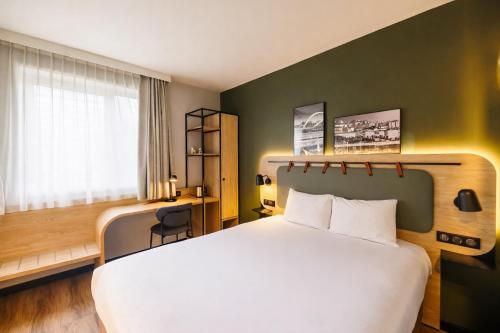
- Presqu'île (Bellecour, Cordeliers, Terreaux): This is the most central base, walkable to everything, with good restaurants. It suits first-timers. Expect about €100-180 a night for a mid-range double.
- Vieux Lyon: Romantic and atmospheric, with metro D and the funiculars on your doorstep. Streets get noisy at night and rooms can be small. About €110-200.
- Croix-Rousse: Local, relaxed, full of wine bars and markets, but hilly. It suits repeat visitors and couples. About €80-140, plus good apartments.
- Part-Dieu: Not pretty, but practical: the main station, the Rhônexpress stop and Les Halles. It is best for short stays or early trains. About €80-130.
- Guillotière: Multicultural and cheap, across the Rhône, with good food. It is a bit rough around Place Gabriel Péri at night. About €60-110.
What to eat in Lyon
Lyon cooking is rich, heavy and unapologetic. In a bouchon, order a salade lyonnaise (frisée, lardons, poached egg) to start, then quenelle de brochet (pike dumpling in crayfish Nantua sauce). Alternatives are saucisson brioché (sausage baked in brioche) or tablier de sapeur (breaded tripe, better than it sounds). Adventurous eaters go for andouillette, but it smells strong, so be warned.
Finish with cervelle de canut, which is fresh cheese with herbs, shallots and garlic, not brains. Another option is tarte aux pralines, a bright pink sugar-coated almond tart. Wine often comes in a pot lyonnais, a thick-bottomed 46cl bottle. For snacks, try bugnes (fried dough, around Carnival), coussins de Lyon (green marzipan sweets) and Saint-Marcellin cheese.
A lunch formule in a good bouchon costs about €20-30. Dinner with wine is €35-55 per person. A fine-dining tasting menu starts around €100 and climbs fast. Book bouchons for dinner, especially on Fridays and Saturdays, and note that many close on Sundays.
Airport to city centre and getting around
Lyon-Saint Exupéry airport is about 25km east of the city. The Rhônexpress tram runs to Part-Dieu in about 30 minutes, at around €17-18 one way. Buy online for a small discount. A taxi takes 30-45 minutes and costs roughly €60-75 depending on traffic and time. Ride-hail apps are often a bit cheaper. Some long-distance trains (TGV) also stop at the airport station.
In the city, the TCL network (metro lines A, B, C and D, plus trams, buses and the two Fourvière funiculars) uses one ticket of about €2. A 24-hour pass is roughly €7, and there are 48h and 72h options. The Lyon City Card (from about €30 for a day) includes transport and most museums, which pays off if you do two or three paid museums a day. Vélo'v bike share is cheap for short rides. The centre is very walkable, and walking Presqu'île end to end takes about 30 minutes.
How much a trip to Lyon costs
- Shoestring: €60-90 per day. Hostel bed €30-40, market picnic and one lunch formule, a transport pass, mostly free sights.
- Mid-range: €150-250 per day. Hotel double €100-160 (shared), bouchon lunch, dinner with wine, a museum or two, the odd taxi.
- Extras: Rhônexpress return about €30, Lyon City Card from €30, coffee €2-3, a glass of wine €5-8.
Day trips from Lyon
- Pérouges: A beautifully preserved medieval hilltop village. Take a train to Meximieux (about 35-40 minutes), then walk 20 minutes uphill. Eat the galette de Pérouges, a sugary flatbread. A half day is enough.
- Vienne: Roman temple, Roman theatre and a jazz festival in summer. Trains take 20-30 minutes. This is an easy half day.
- Beaujolais: Golden-stone villages and wine tastings. Trains to Villefranche-sur-Saône take about 30 minutes, but you really need a car or a tour to reach the villages. Plan a full day.
- Annecy: A lake, mountains and canals, about 2 hours by train or a bit less by car. It is a long but worthwhile day. Go on a weekday.
- Grenoble: An Alpine city with the cable car "bubbles" up to the Bastille fort. Trains take about 1h15-1h30. Plan a full day.
Common mistakes and scams
The biggest mistake is eating in the first bouchon you see on rue Saint-Jean. Laminated menus in five languages and touts at the door are the warning signs. Another common one is not booking: good bouchons are small and fill up, and many close Sunday and Monday.
Pickpockets work the metro, Part-Dieu station and crowded spots at the Fête des Lumières, so keep phones out of back pockets. Ignore anyone offering to "help" at ticket machines. At the airport, use the official taxi rank, not drivers approaching you inside the terminal. Validate your TCL ticket every time you board, because inspectors fine on the spot. Finally, do not assume shops and restaurants open on Sundays or in August.
Lyon FAQ
How many days do you need in Lyon?
Three days is ideal to see Vieux Lyon, Fourvière, the Presqu'île and Croix-Rousse at a relaxed pace. Add a day or two if you want day trips.
Is Lyon worth visiting?
Yes, especially if you care about food. It has a UNESCO-listed old town, Roman ruins and some of the best eating in France, with smaller crowds and lower prices than Paris.
What is Lyon famous for?
Lyon is famous for gastronomy (bouchons, Paul Bocuse), the silk industry, the traboule passageways, the invention of cinema by the Lumière brothers, and the Fête des Lumières in December.
Is Lyon expensive?
It is cheaper than Paris. A mid-range traveller can manage on €150-250 a day, and lunch menus make eating well affordable.
How do I get from Lyon airport to the city centre?
The Rhônexpress tram reaches Part-Dieu in about 30 minutes for roughly €17-18. A taxi costs around €60-75.
Is Lyon safe for tourists?
Generally yes. Watch for pickpockets on the metro and at Part-Dieu, and take care late at night around parts of Guillotière and Perrache.
What is the best area to stay in Lyon?
The Presqu'île, between Bellecour and Terreaux, is the most convenient for a first visit. Vieux Lyon has the most atmosphere, and Croix-Rousse feels the most local.
Is the Lyon City Card worth it?
It is worth it if you plan at least two or three paid museums a day, since it also covers transport. If you mostly walk and visit free sights, a 24-hour TCL pass is cheaper.
Photo: Tournasol7 · CC BY 4.0 · Wikimedia Commons · Guide updated 21 Nov 2026